


How to choose the right running shirt?
Did you know that choosing the wrong running shirt can seriously affect your running enjoyment? Shoulder irritation, chafing seams, overheating, or shivering from the cold: it may sound minor, but the wrong running shirt can turn an enjoyable workout into a frustrating experience. Many runners grab any random sports shirt from the closet, often assuming it will be "good enough." But comfort, performance, and even injury prevention start with the right clothing on your skin.
A good running shirt does much more than just cover you. It wicks away sweat quickly, helps regulate your body temperature, and moves comfortably with you, whether you’re running under the blazing sun or starting in the cold. And the best part? The right shirt feels almost weightless while running. Whether you’re training for your first 5K or aiming to beat a personal record, the right running shirt truly makes a difference.
In this blog, you’ll discover how to choose the perfect running shirt that suits your body, running style, and the conditions you prefer to train in.
In this blog about choosing the right running shirt:
- Discover the different running shirt models
1.1. Singlets and tank tops
1.2. Short sleeves
1.3. Long sleeves
1.4. Thermal shirts
1.5. Compression shirts - Material
2.1. Why cotton is a no-go
2.2. The best synthetic materials - Fit and comfort
3.1. Loose fit (relaxed fit)
3.2. Regular fit
3.3. Compression fit
3.4. Fit tips - Running shirts for every weather
4.1. Hot weather (above 20°C)
4.2. Moderate weather (10–20°C)
4.3. Cold weather (below 10°C) - Extra features for your convenience
- How to choose your ideal running shirt
6.1. Checklist and guidance
6.2. Tips for beginners
6.3. Tips for advanced runners - Conclusion

Discover the Different Running Shirt Models
Not all running shirts are the same. Depending on the season, your training intensity, and personal preference, you choose a model that supports your running comfort and performance. Below, we outline the main types for you, including their uses and benefits.
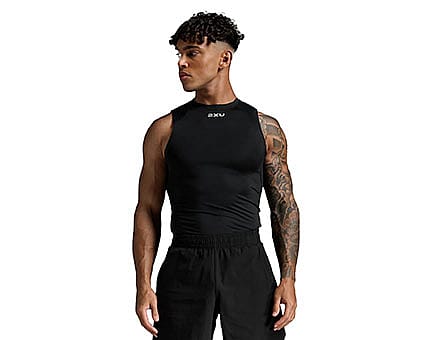
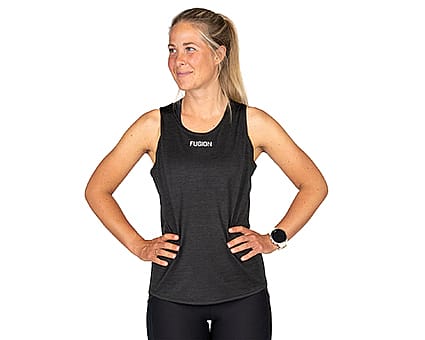
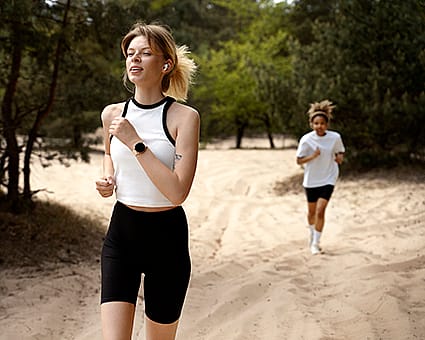
Singlets and Tank Tops, Perfect for Maximum Ventilation on Hot Days
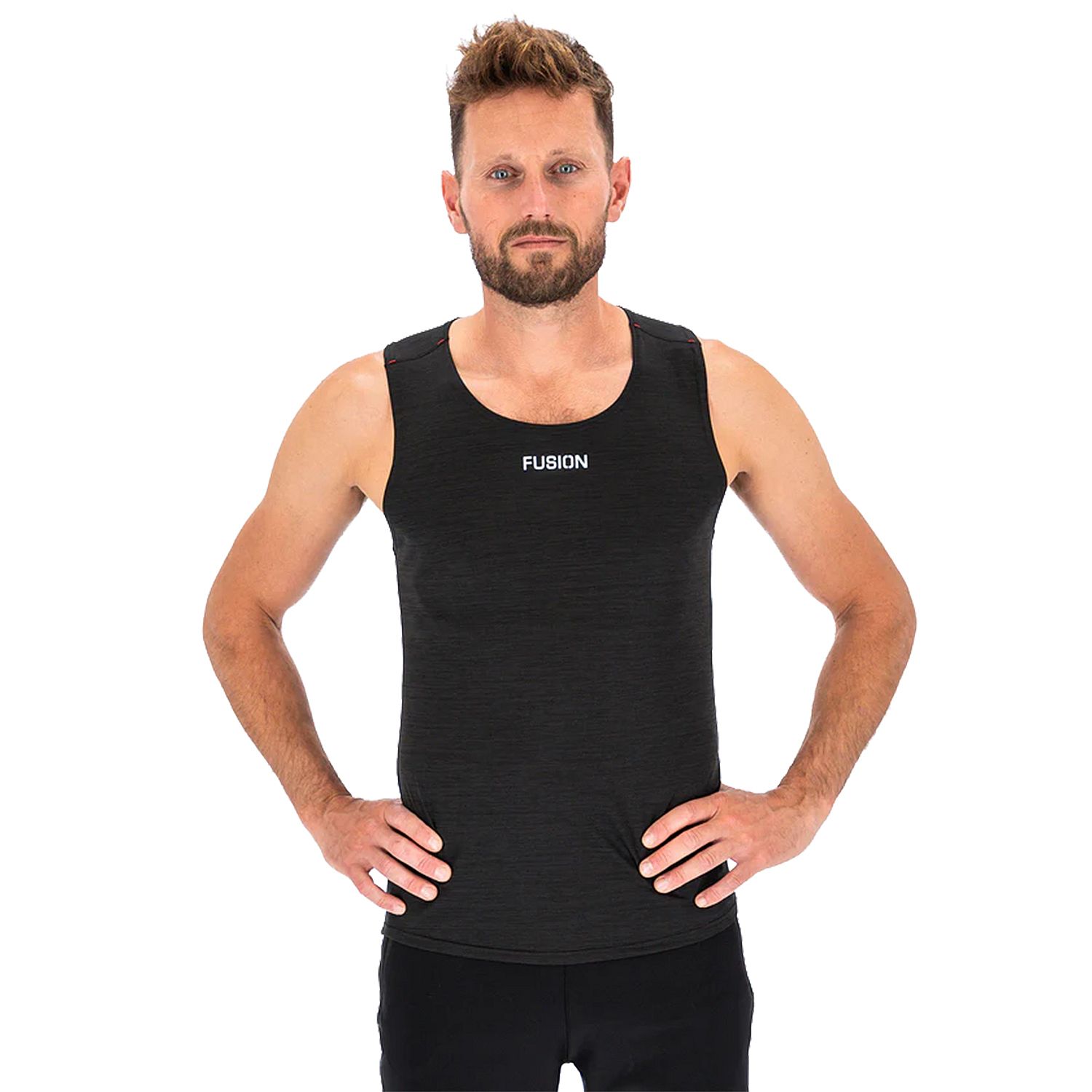
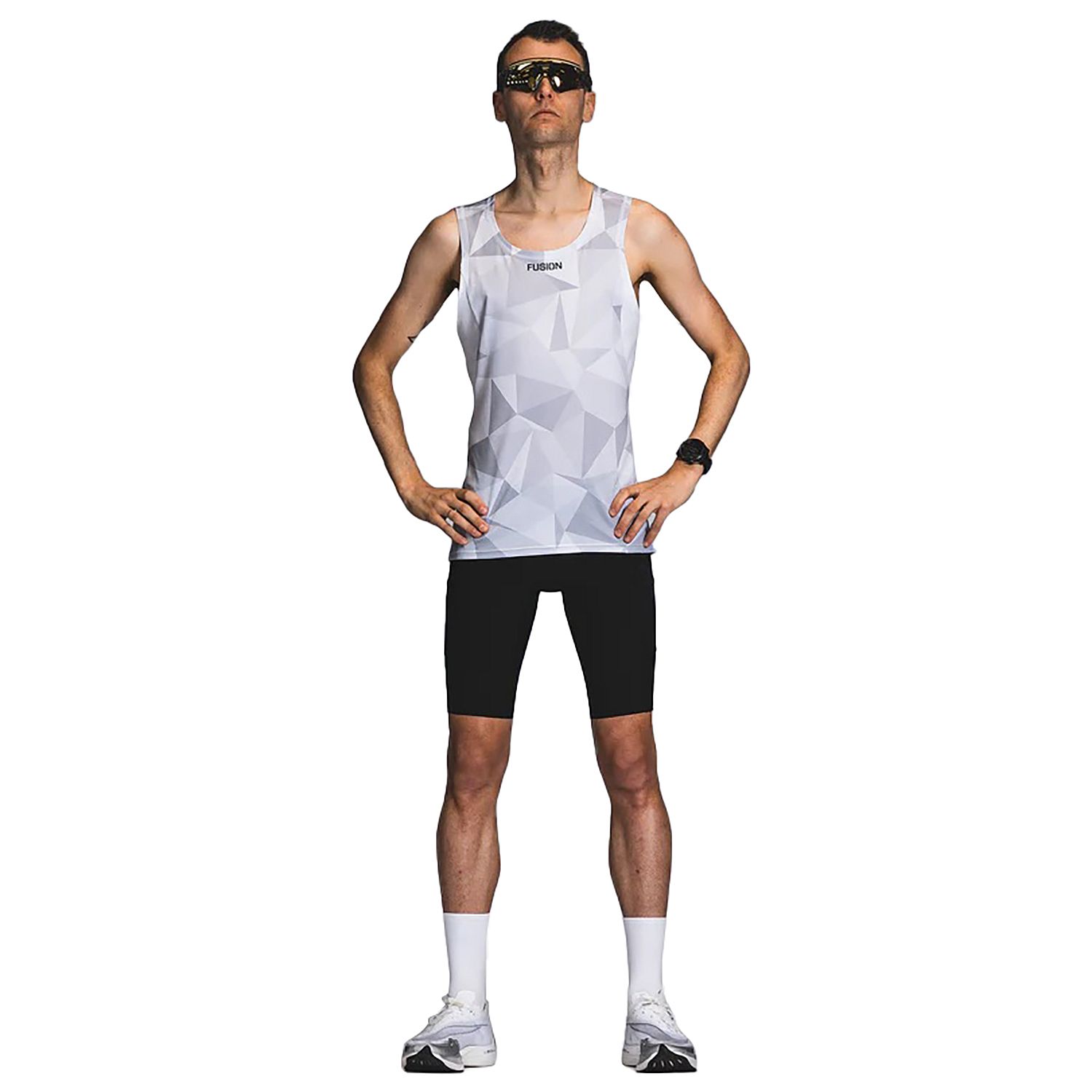
During sultry summer days or intense races, you want as little clothing as possible that traps heat and moisture. Singlets, also called tank tops, are your best choice. The sleeveless design and use of ultra-light, breathable materials provide maximum ventilation. Ideal when your body warms up quickly and you want to wick away sweat efficiently.
Benefits of singlets:
- Lightweight and breathable
- Prevents overheating
- Popular among competitive runners
When is a singlet most suitable? For summer, indoor training, and intensive runs.
Short-sleeve running shirts, versatile and usable all year round
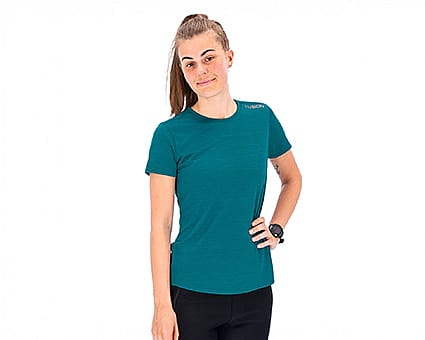
This is without a doubt the most popular model among runners. Short-sleeve running shirts are suitable for most weather conditions and provide a perfect balance between ventilation and slightly more coverage than a singlet. Often, this shirt is slightly thicker in material, offering a bit more protection. Note, this type of shirt does not provide warmth or wind protection. They function as a standalone shirt or, if you want extra warmth, as a base layer under a running jacket on colder days.
Benefits of short-sleeve shirts:
- Highly versatile
- Suitable for spring, summer, and autumn
- Available in various fits: loose, regular, or tight
When should you wear a short-sleeve running shirt? These are suitable year-round, but on colder days, additional protection is needed by combining them with other clothing items.

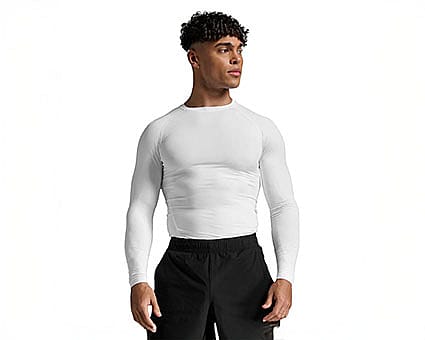
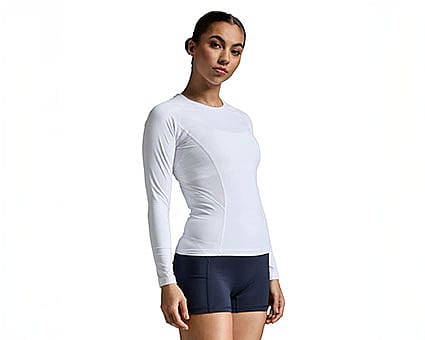
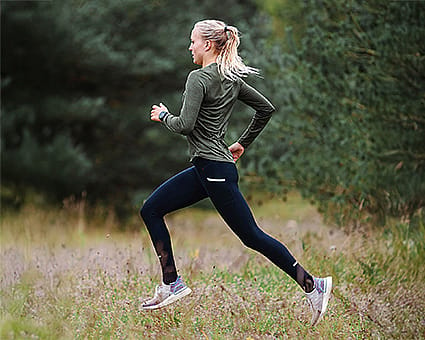
Long sleeves, extra warmth and protection
Long sleeves, also known as longsleeve shirts, offer extra protection against cooler winds and lower temperatures. They are made from breathable materials and can be worn solo or as part of a smart layering system. Various models include handy features such as thumb loops or mesh under the armpits for targeted ventilation.
Keep in mind that there is a difference between a long-sleeve running shirt and a running jacket. A running jacket has strong insulating properties and provides real protection against wind and/or rain and is designed for colder days. A long-sleeve running shirt has thicker material and is warmer for cooler days.
Benefits of long-sleeve shirts:
- Warmth without compromising breathability
- Ideal as a mid-layer
- Comfortable during relaxed autumn runs or intense winter training
When is it ideal to wear a longsleeve? During autumn, winter, and early mornings.
Thermal shirts, your base layer for winter runs
Thermal shirts are indispensable when it’s really cold outside. They are worn directly on the skin and provide insulation without causing overheating. Thanks to advanced synthetic materials, you stay dry and warm, exactly what you need during winter runs or long endurance sessions. You wear the thermal shirt as a base layer, with a short-sleeve, long-sleeve, or running jacket over it.
Benefits of thermal shirts:
- Excellent insulation
- Quick moisture transport
- Prevents cooling down after running
When should you wear a thermal shirt? Mostly in winter, under a long-sleeve or running jacket.
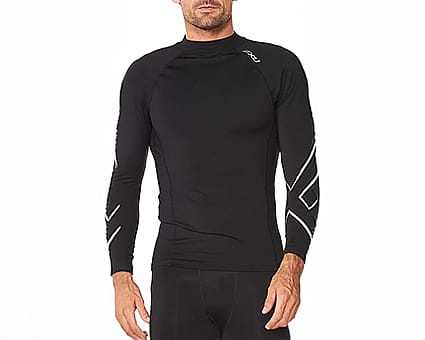
Compression shirts: focused on performance and recovery
Do you want a little extra support for your muscles? Then a compression shirt is definitely worth considering. These shirts fit tightly around the torso and arms, improving blood circulation during exercise. This helps reduce muscle fatigue and can accelerate muscle recovery. Some runners also wear these shirts after training to aid recovery.
Benefits of compression shirts:
- Supports muscles and blood circulation
- Reduces the risk of fatigue
- Helps speed up recovery
When should you wear a compression shirt? During intensive training sessions or immediately after running.
The material, the silent power of a good running shirt
A running shirt can fit perfectly and look great, but if the material isn’t right, you’ll soon face irritation, overheating, or a wet, heavy shirt. The right material is therefore the most important factor for optimal comfort, performance, and running enjoyment, whether you’re a beginner or training for a challenging marathon.
Why cotton is an absolute no-go
Although cotton feels comfortable in daily life, we do not recommend it for running. Cotton absorbs moisture (sweat) like a sponge and holds it for a long time, which causes:
- Your shirt to become heavy and stick to your skin
- You to cool down faster, especially in the wind
- An increased risk of chafing
The best synthetic materials for runners
Fortunately, there are fabrics that perform well during your training. Most high-quality running shirts are made of synthetic fibers specifically developed for sports use. The three main ones are:
Polyester
Lightweight, quick-drying, and super strong. Polyester is the most commonly used fabric in running clothing. It wicks moisture well and remains relatively comfortable even when wet.
Nylon
Slightly softer than polyester but just as durable. Nylon feels comfortable on the skin and is often combined with other materials for extra stretch and breathability.
Spandex (elastane, lycra)
Provides stretch in your running shirt. Thanks to spandex, the shirt fits your body nicely without constriction, ideal for freedom of movement and a snug fit (as in compression shirts).
Our extra tip: Check the composition of these materials on the product page of your desired running shirt. The right composition ensures an even better shirt. For example: 90% polyester, 10% spandex is a commonly used, high-performing blend.
Mesh panels, breathability, and quick-drying properties
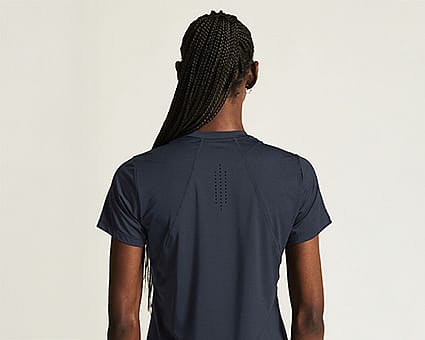
A running shirt with breathability is essential for running. That’s why many shirts contain strategically placed mesh panels, often under the armpits and on the back. These zones allow extra airflow, improve ventilation, and help excess heat escape quickly.
When choosing your new running shirt, you want it to:
- Dry quickly: moisture should be wicked away instantly
- Be breathable: this prevents overheating
- Be lightweight: as if you’re wearing nothing
- Feel soft on the skin: preventing irritation during long runs

Brand-specific technologies that elevate the material
Top brands develop their own high-performance fabrics. These are often tested under tougher conditions and loved by demanding runners. Some of these advanced material technologies found in our collection are:
Fusion C3 (Fusion)
This Danish technology is known for its extremely soft touch, quick-drying ability, and durability. Ideal for long-distance runs or trail running. Fusion’s short and long running pants often also contain the C3 fabric.
Perfect for: long distances, trail running, daily training.
Coolmax (Craft)
Coolmax is a patented polyester fiber that wicks moisture extremely quickly. The material feels cool and dry even during heavy exertion. Many Craft shirts with Coolmax also feature flat seams and UV protection.
Perfect for: warm weather, sensitive skin, intensive interval training.
X-LITE (2XU)
An ultra-light, breathable fabric that remains comfortable even under extreme heat. With added elastane, the shirt perfectly molds to your body without constriction.
Perfect for: fast runs, races, warm weather, and recovery sessions.
Fit and comfort, loose, regular, or compression?
You shouldn’t feel a running shirt. It may sound strange, but the best shirts are barely noticeable during your run. No tugging, no chafing seams, no sticky feeling. Just you and your run. That’s why the right fit is just as important as the material or the brand.
There are roughly three types of fit: loose, regular, and compression. Each has its own function, comfort level, and purpose. Below we explain what suits you best and when to choose each type.
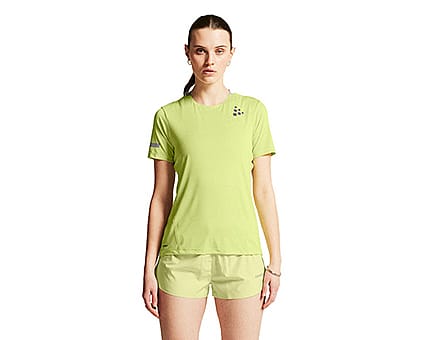
Loose fit (relaxed fit)
This fit gives you: freedom, ventilation, comfort
Loose running shirts feel airy and comfortable, especially during easy runs or workouts in warm weather. This fit provides maximum freedom of movement and is often favored by recreational runners or those prone to chafing.
Benefits of a loose fit:
- Plenty of room for movement
- Cool and airy at high temperatures
- Lower risk of irritation for sensitive skin
A loose fit is ideal for:
Beginner runners, warm days, easy long runs, recovery training.
Regular/athletic fit
The all-rounder for everyday use
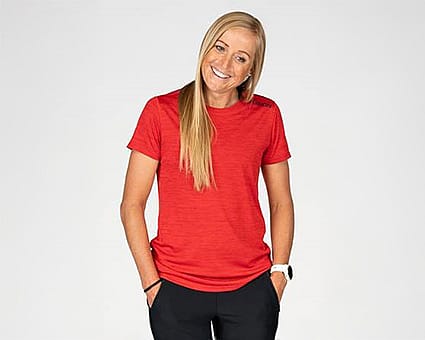
This is the most popular fit among runners. Not too tight, not too loose. The shirt follows the contours of your body without constricting anywhere. Thanks to the cut and tailored fit in some areas, the shirt stays in place. At the same time, it remains breathable and comfortable, even during longer sessions.
Benefits of the regular fit:
- Good balance between support and ventilation
- Stays in place while moving
- Can be worn as a single layer or in a layering system
The regular fit is ideal for:
Daily training, all-round use, combination with thermoshirts or running jackets.
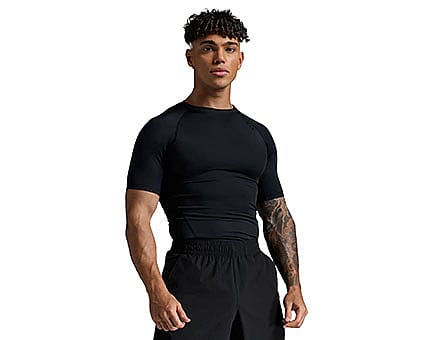
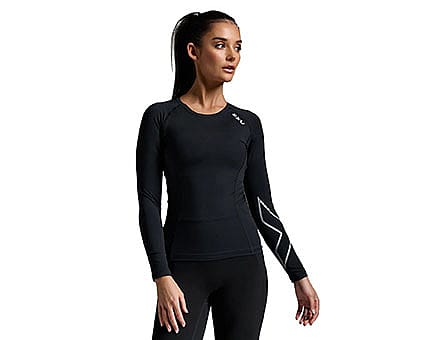
Compression (tight fit)
Focused on performance and recovery
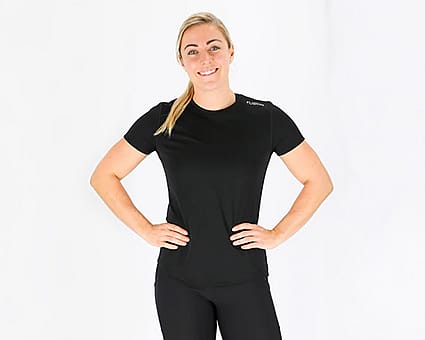
Compression shirts fit snugly around your body and apply light pressure to your muscles. This promotes blood circulation, reduces muscle vibrations, and helps delay fatigue. Some runners also experience faster recovery when wearing compression clothing after training.
Benefits of compression shirts:
- Supports blood circulation
- Can reduce muscle soreness and fatigue
- Minimizes friction and chafing
Note: compression shirts feel tight at first, which is normal. Choose the correct size to ensure a snug fit for optimal performance without being too tight to avoid constriction.
Compression shirts are ideal for:
Fast training sessions, intensive intervals, races, recovery days.
Fit tips when buying
To ensure you choose the right fit, pay attention to the following:
- Length: the shirt should be long enough to avoid riding up while running.
- Sleeve seam: flat seams under the arms prevent chafing.
- Stretch: materials like spandex (lycra, etc.) allow freedom of movement without the shirt sagging or constricting.
- Gender-specific fit: preferably choose a shirt designed specifically for men or women. The contours will then fit your body better.
Brands and fit
Top brands like Fusion, Craft, and 2XU offer shirts in different fits, tailored to the use case:
- Fusion: slightly longer and tighter, ideal for long-distance runners who want maximum stability.
- Craft: offers both relaxed and regular fits, with ergonomic seams for maximum comfort.
- 2XU: focused on compression and performance. Their shirts fit snugly and are popular among triathletes and competitive runners.
Unsure? Start with a regular fit and adjust based on your preference. Remember: a well-fitting shirt makes every run more enjoyable.
Choose the right running shirt for different weather conditions
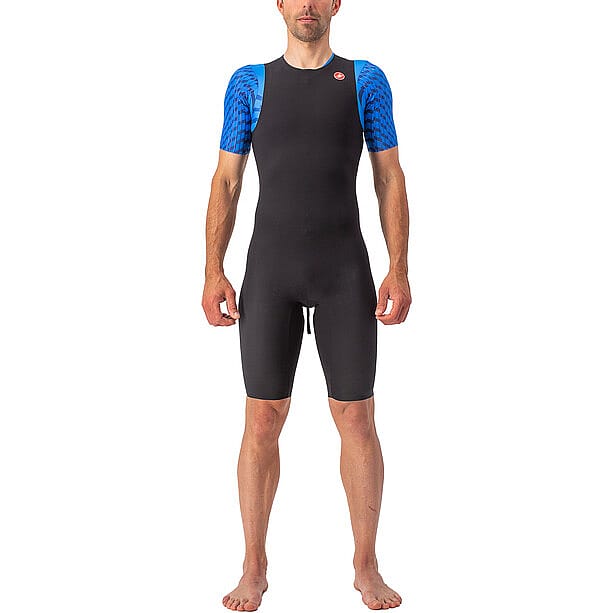
Running in warm weather (above 20°C)
When the sun is blazing and the temperature rises, you want clothing that feels like... almost nothing. Airy, light, and breathable. In these conditions, everything is about ventilation and sweat management.
What works best at >20°C?
- Singlets/tanktops: sleeveless, ultra-light, and maximally ventilating.
- Short-sleeve shirts made of thin, breathable material with mesh panels on the back or underarms.
- Shirts with UV protection: protect your skin during long sunny runs.
Your body needs to dissipate heat quickly. Poorly ventilated clothing leads to overheating, faster fatigue, and irritation from rubbing, wet fabrics.
Extra tip: Avoid cotton or shirts with large prints. They retain moisture and cause clamminess.
Running in moderate weather (10 – 20°C)
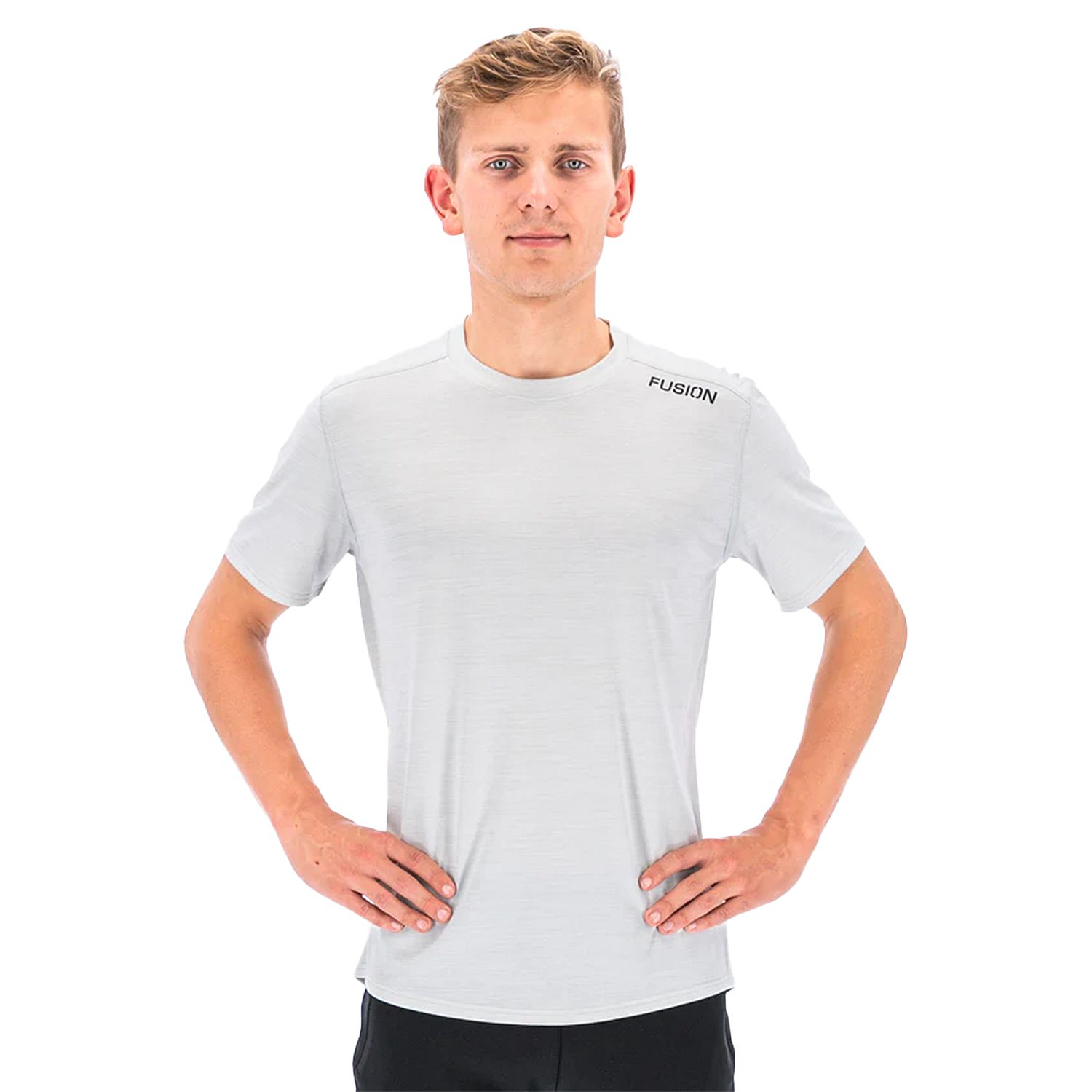
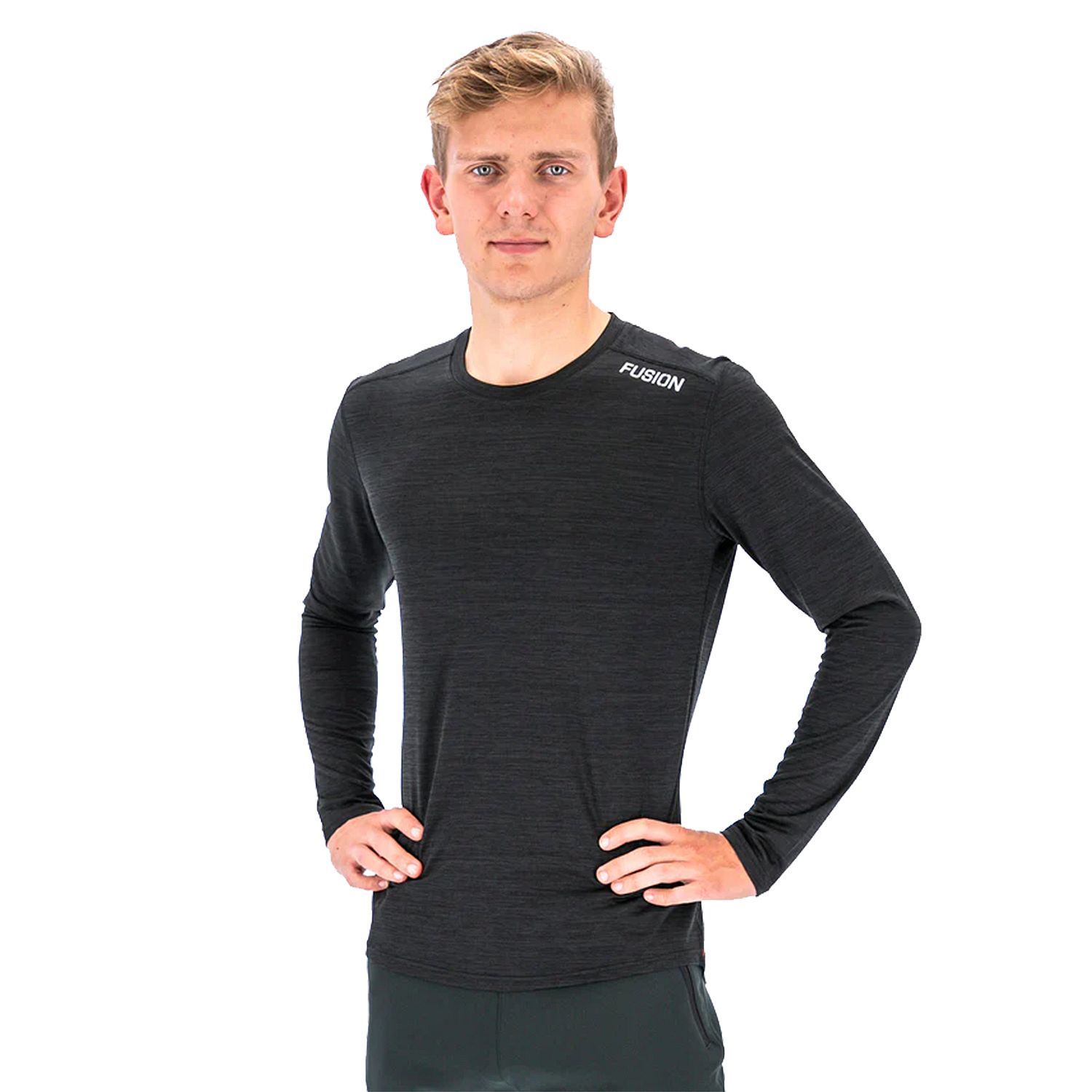
This is the trickiest weather for running clothing. One day feels cool, the next warm. The solution? Versatility and smart layering.
What works best at 10 – 20°C?
- Short-sleeve shirt for milder weather.
- Long-sleeve shirt for cooler mornings or windy conditions.
- Optionally, a thin base layer underneath or a running jacket/vest over your shirt.
- Consider arm warmers that are easy to put on or remove during your run.
You don’t want to start too warm, but also don’t want to get chilled during your run. Choose a shirt that adapts easily to the weather.
Extra tip: Opt for quick-drying fabrics, so you won’t get cold from light rain or sweat.
Running in cold weather (under 10°C)
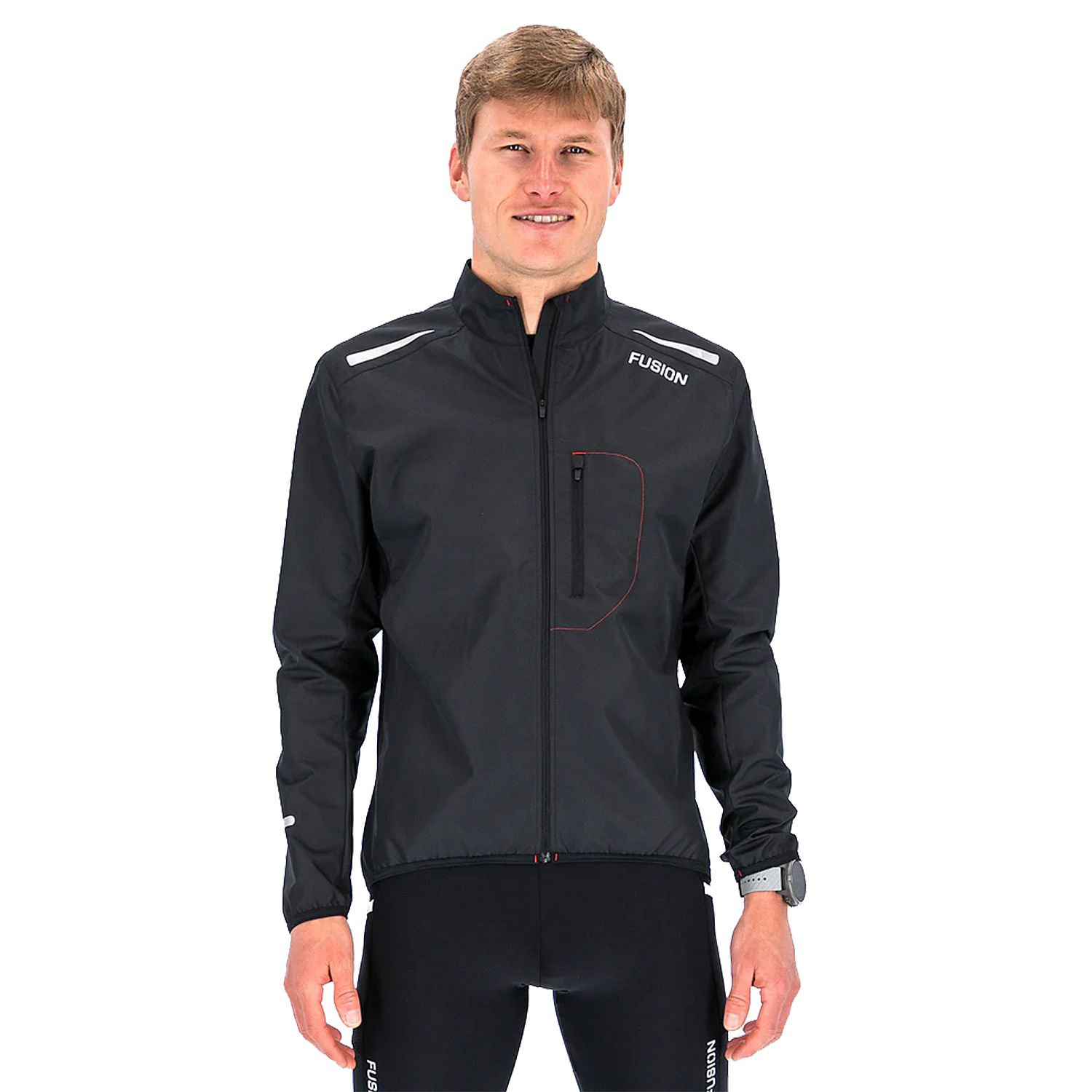
Shivering at the starting line is not a good start. In autumn and winter, it’s all about retaining warmth and wicking away moisture. This only works with a well-thought-out layering system.
What works best at <10°C?
- Thermal shirt as a base layer (snug fit, retains heat, wicks sweat)
- Long-sleeve or mid-layer (extra insulation and ventilation)
- Optionally, a windproof or water-repellent jacket for harsh conditions
If your body cools down due to sweat or wind, running becomes less enjoyable and increases the risk of injury. At the same time, you don’t want to overheat.
Extra tip: Choose a running shirt with thumb loops, high collars, or an extended back for extra protection without restricting movement.

Delivery within 1 – 2 business days

Delivery within 1 – 2 business days
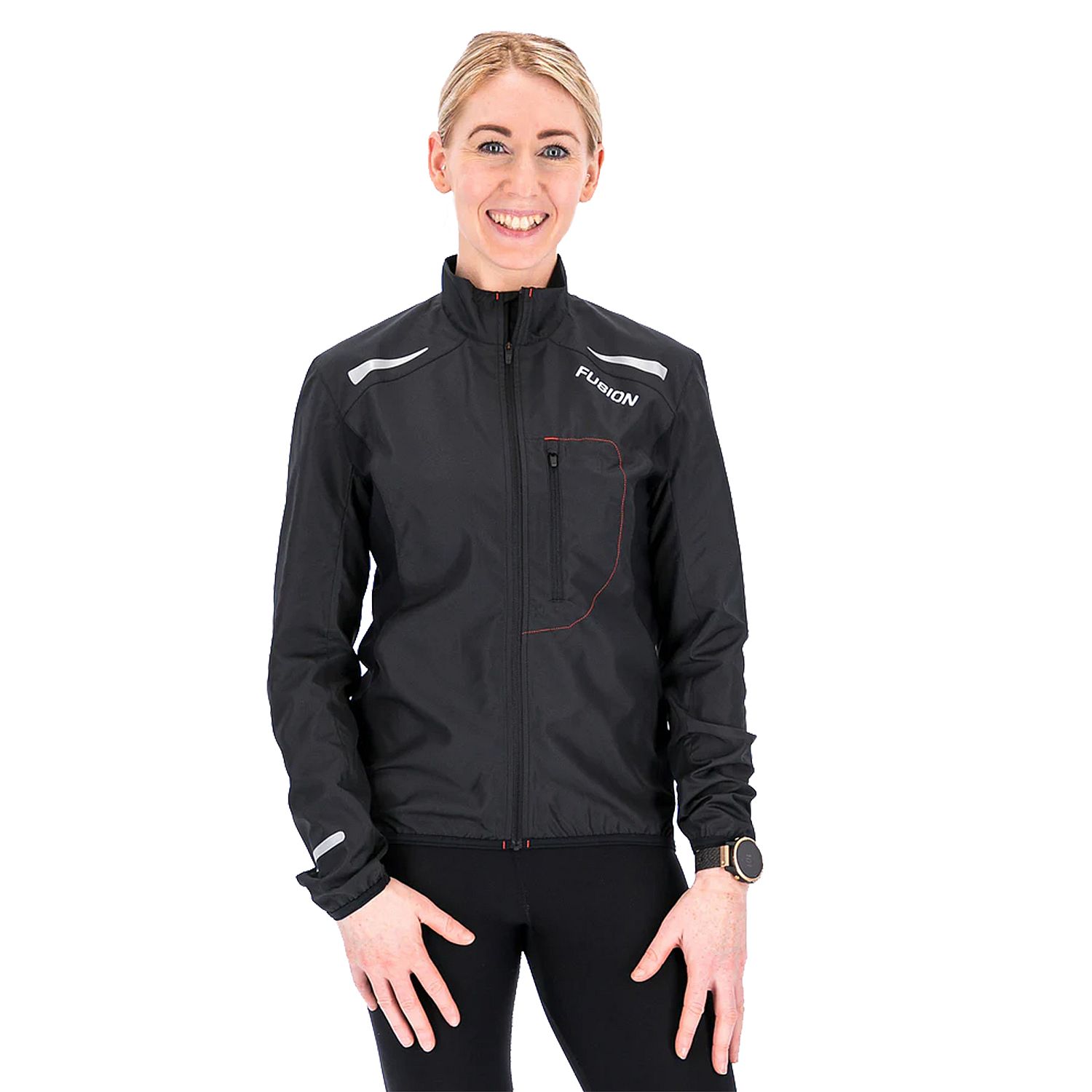
The weather may be unpredictable, but your outfit doesn’t have to be. By choosing the right running shirt for each temperature zone and using smart layering combinations, you’ll always be well-prepared.
Extra features for your convenience
A good running shirt does more than just wick sweat or keep you warm. The real top performers stand out with smart extras that make your training more comfortable, safer, and efficient. From reflective elements to storage pockets and seamless comfort: these are the functions that truly benefit runners and add value.
Reflective details: running with a safe feeling
Whether you run early in the morning or in the evening, being visible is extra important. Reflective elements on your shirt ensure you stand out in traffic and increase your safety in the dark or in poor weather conditions.
Think of subtle reflective prints on the shoulders, back, or sleeves, or a reflective logo on the chest. Especially in autumn and winter, this is not an unnecessary luxury, but a must-have.
Extra tip: Combine your shirt with a illuminated running vest or reflective arm or leg bands for even more visibility.
Seamless design or flatlock seams, less friction, more comfort
Chafing under the armpits or on the nipples? Every runner has experienced it at some point. Especially on long distances or in hot weather, skin irritation from seams is a serious issue.
The solution:
- Seamless shirts: knitted in one piece, without seams on chafing-prone areas.
- Flatlock seams: extra flat and smooth, so they are barely noticeable on the skin.
Especially if you are prone to skin irritation or frequently run long distances, a shirt with seamless finishing is highly recommended.
Many running shirt designers also use very soft fabrics, which reduce friction on your skin.
Smart extras, UV protection, zipper, or odor control
Some running shirts go a step further, with technical features that you truly appreciate once you’ve experienced them:
- UV protection: prevents sunburn and protects your skin on sunny days.
- Odor control treatment: often based on silver ions or antibacterial fibers, prevents unpleasant smells after a long run.
- Short zipper: provides extra ventilation during intense effort or hot days. Also convenient if you want to put on or take off your shirt easily.
Brands like Craft, Fusion, and 2XU incorporate these features in their high-end shirts, so you not only run comfortably but also smarter.
A technical shirt doesn’t need to look complicated, but the smart details do make a difference during your run:
If you really want to get the most out of your running experience, you don’t just choose a good shirt—you choose a shirt that works with you. These extra features give you that subtle yet essential advantage with every kilometer.

How to choose your ideal running shirt?
You now know the different types of shirts, which materials perform best, and which brands suit your running style. But how do you translate that into a concrete choice? With the guidelines below, we help you find the running shirt that truly fits you, whether you are just starting out or have thousands of kilometers under your belt.
Quick checklist for your choice
Answer the questions below and discover which type of shirt best matches your needs:
Beginner tips
- Invest in 1 good shirt per season. Start with a short-sleeve shirt for all-round use, and expand to a longsleeve or singlet depending on your running occasions.
- Focus on comfort, not just looks. Always choose function over style: a breathable shirt helps you more than a trendy print.
- Try multiple fits. Every body is different. Test which fit feels best for you: tight for support or loose for freedom.
Advanced tips
- Consider your running schedule. Do you have intense workouts? Then it’s worth having multiple technical shirts with breathability and quick-drying properties.
- Consider compression. Especially during interval training or races, a compression shirt can provide that extra support.
- Mix & match smartly. Combine a thermal shirt with a longsleeve on cold days, or a singlet with a breathable jacket for cool mornings.
Conclusion: take your runs to the next level
Whether you’re training for your first 5K, running a half marathon, or just enjoying outdoor runs, a good running shirt isn’t a luxury—it’s a must. By choosing wisely based on season, fit, material, and extra features, you avoid irritation, stay comfortable, and get more out of every kilometer.
From breathable singlets for summer runs to technical longsleeves and thermal shirts for colder days, there’s a perfect running shirt for every runner and every type of run. And with top brands like Fusion, Craft, and 2XU in our collection, you’re guaranteed quality, comfort, and innovation.
Looking for a new running shirt and personal advice?
Our running specialists are happy to assist you with any questions you have about choosing your new running shirt. This way, you can make a well-considered choice and enjoy your runs even more. You can contact our running specialists via +31(0)413-256800, send an email, or visit our triathlon store in Volkel, Netherlands.