


What to bring to a marathon? With checklist
You have registered. The date is set. But what do you really need to run a marathon?
You have made your choice. Maybe this is your very first marathon, or you’ve run a few and this time you really want to be fully prepared at the start. In both cases, one thing is certain: you don’t just run 42.195 kilometers “casually.” And certainly not with blisters, an empty stomach, or socks that are too thick.
Many people focus primarily on training during preparation, which is logical. But the right equipment is just as important. Think of comfortable running shoes that have already seen some kilometers, clothing suited for the day’s weather, nutrition that gives you energy at the right moment, and small items like vaseline or a race belt that provide just a little extra comfort during the long journey to the finish line.
In this blog, I will guide you step by step through everything you need to properly prepare for a marathon. You will get a handy checklist, clear explanations per product category, and many tips I have personally gathered over the years as a runner (and from my work in the triathlon world). Practical, reliable, and focused on what really works in practice.
So: are you ready to properly prepare for your big day? Let’s get started.
In this blog about what to bring to your marathon:
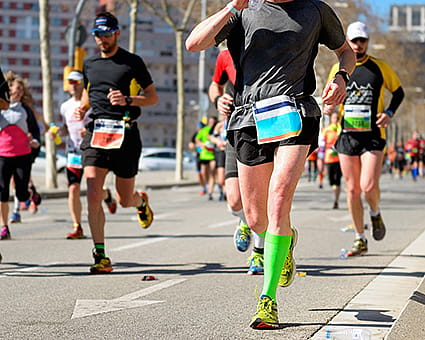
Running Shoes and Socks: Your Foundation for 42 Kilometers
If there is one thing you want to get right for a marathon, it’s your running shoes and socks. No matter how strong you are, blisters, insufficient cushioning, or tight shoes can ruin your entire race. And believe me, you don’t want to suddenly experience discomfort halfway through your run.
Running Shoes: Comfort Above All
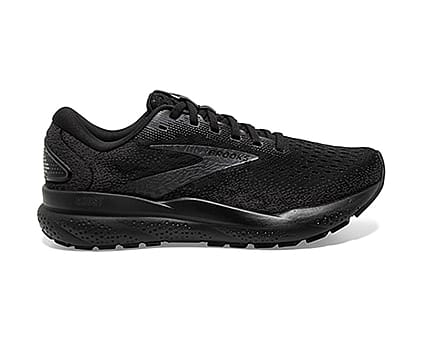
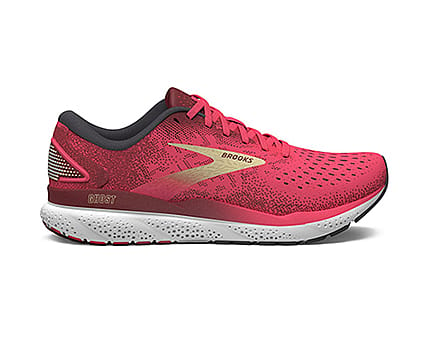
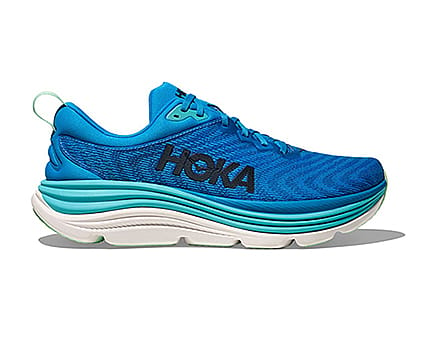
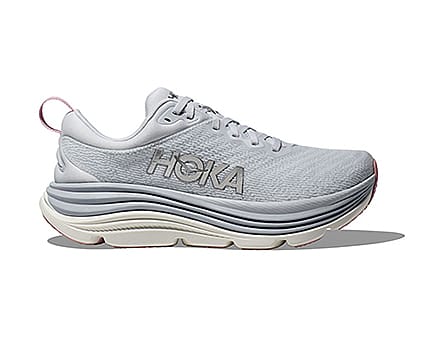
The right running shoe is personal. It depends on your running style, pronation, weight, goals, and even the type of surface you train on. Whether you are a neutral runner or need some extra support, make sure to choose a running shoe that suits your body and technique.
Not sure where to start? In this blog, I provide 7 handy tips to help you choose the right running shoes.
Most importantly: break in your shoes properly. Buy them at least a few weeks before the marathon and use them for several long runs. You want to be sure they remain comfortable, even after 25 or 30 kilometers. A brand-new pair on race day? Never do it—you’ll definitely run into problems.
Running socks? Better yet: compression socks
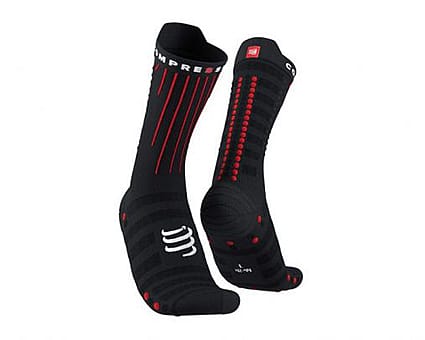
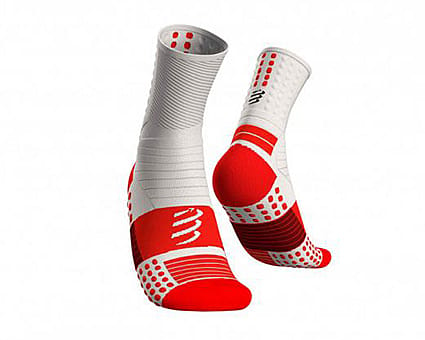
Something many runners don’t think about are the socks. A good pair of running socks makes a significant difference. Avoid cotton (holds moisture = blister alert) and choose technical, breathable materials that fit snugly around your foot.
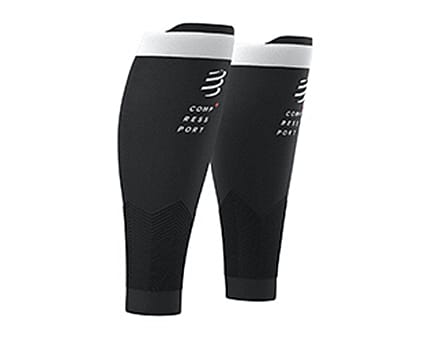
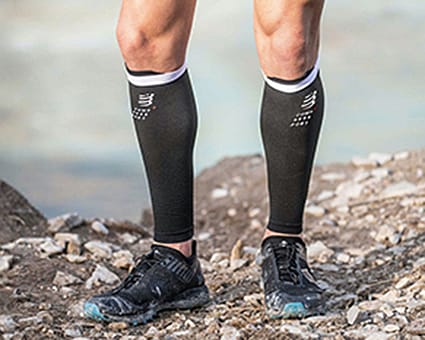
If you really want to make a difference, compression socks are a smart choice. They provide extra support for your calves, improve blood circulation, and help reduce muscle vibrations and fatigue—ideal for long distances. I personally never run without compression socks. In this blog I explain exactly what compression socks are and why they work so well.
Running socks? Better yet: compression socks
Something many runners don’t think about are the socks. A good pair of running socks makes a significant difference. Avoid cotton (holds moisture = blister alert) and choose technical, breathable materials that fit snugly around your foot.
If you really want to make a difference, compression socks are a smart choice. They provide extra support for your calves, improve blood circulation, and help reduce muscle vibrations and fatigue—ideal for long distances. I personally never run without compression socks. In this blog I explain exactly what compression socks are and why they work so well.
Running clothing for different weather conditions
The weather on marathon day can be your best friend… or your worst enemy. Too hot? You risk dehydration. Too cold? You might get cramps. Rain? Watch out for chafing. The good news is that with the right clothing, you’re prepared for (almost) anything.
What you wear on marathon day largely depends on the conditions. But one thing is certain: your clothing must be breathable, quick-drying, and comfortable. And very important, test everything during your long training runs. Do not wear new clothing or gear on race day.
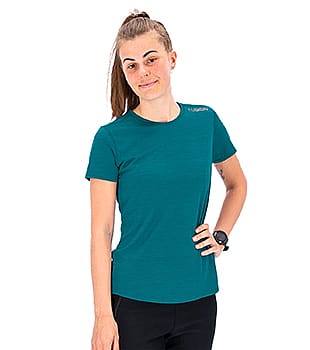
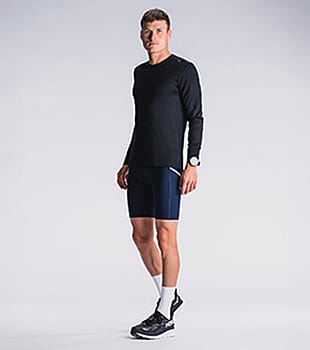
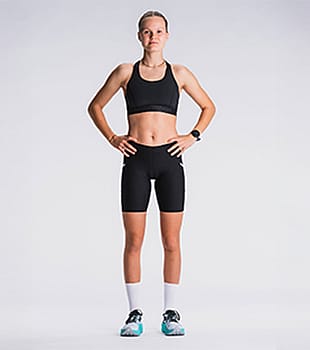
For warm weather: go light and airy
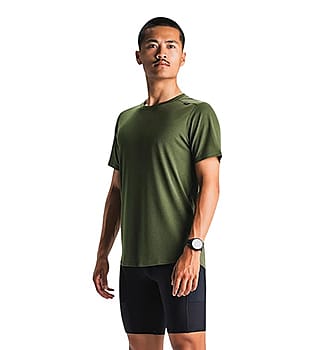
Expecting sun? Then you want running clothes that wick sweat quickly and don’t stick. Choose a lightweight running shirt or singlet, breathable running shorts, and a cap or visor to keep your head cool. Don’t forget your sunglasses and sunscreen—your shoulders burn faster than you think, especially on a beautiful sunny day.
For rainy or changeable weather: go for layers and protection
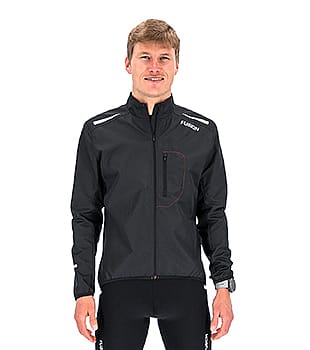
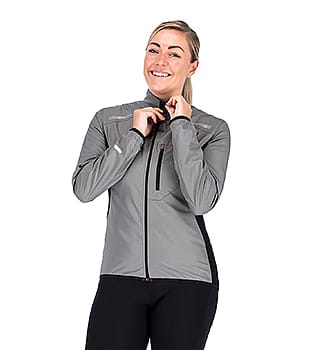
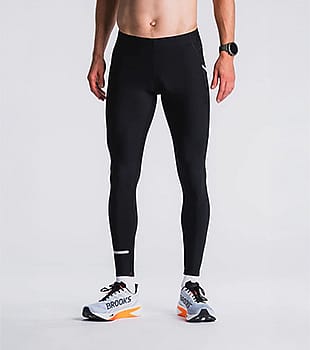
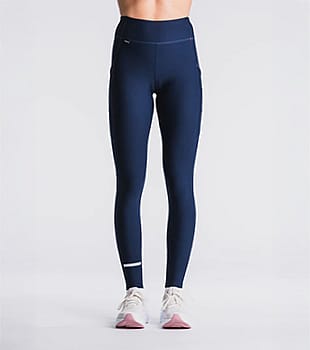
Is the weather not cooperating? Don’t let it stop you. Marathons often go on even in rainy conditions. But here too, with the right clothing, you can complete the race comfortably. Choose a lightweight rain jacket or windbreaker to keep you dry and warm without overheating. Pair it with a quick-drying shirt and a good pair of running tights or leggings.
In colder weather, go for functional and warm
Running in the cold? No problem, you can definitely do it as long as you approach it smartly. Start with a thermal base layer, put a breathable shirt on top, and optionally a windproof jacket. Long tights, gloves, and a hat complete the outfit. Keep in mind: after a few kilometers, you will naturally warm up. So dress as if it’s 10 degrees warmer than it actually is.
Care and anti-chafing products: small difference, big impact
You can be well-trained, have perfect shoes, and the best running clothes… but if after several kilometers you start feeling pain or irritation under your armpits, on your thighs, or on your heels, you know: this will be a long, extra challenging run.
Chafing and blisters are the silent destroyers of your marathon. Fortunately, you can largely prevent these issues with the right precautions.
Care and anti-chafing products: small difference, big impact
You can be well-trained, have perfect shoes, and the best running clothes… but if after several kilometers you start feeling pain or irritation under your armpits, on your thighs, or on your heels, you know: this will be a long, extra challenging run.
Chafing and blisters are the silent destroyers of your marathon. Fortunately, you can largely prevent these issues with the right precautions.
Anti-chafing products: prevention is key
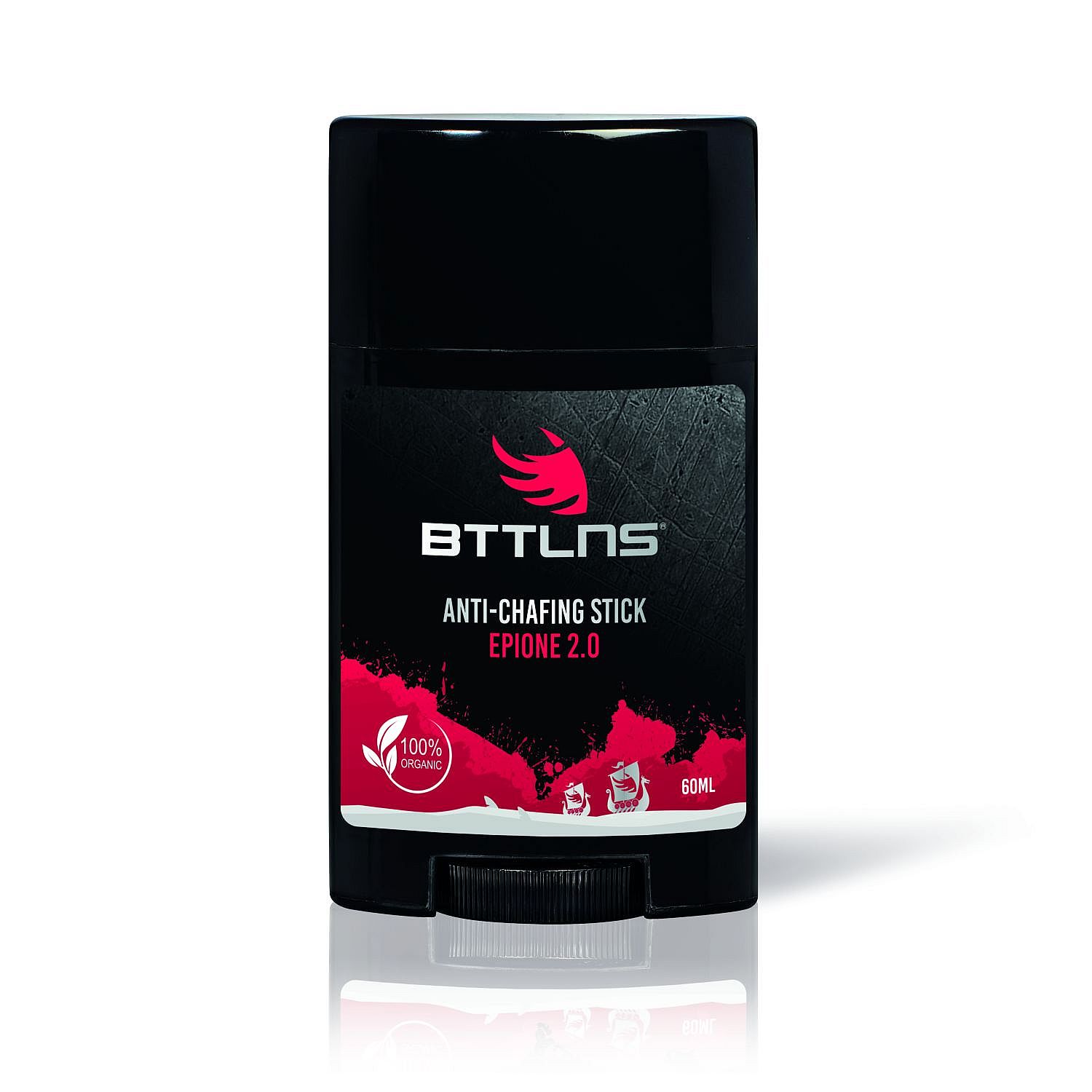
Experienced marathon runners know: a good anti-chafing cream or stick is just as essential as your shoes. Apply vaseline or a specialized anti-chafing product to sensitive areas before the start, such as: inner thighs, armpits, nipples, heels, and if necessary, your feet and the edge of your sports bra. This prevents friction, irritation, and ultimately painful sores.

Nipple guards and sports tape
For many men, irritated or even bleeding nipples are a common but often unspoken problem. You can easily prevent this with nipple guards or even two small plasters.
Blister plasters & foot care
Your feet also deserve extra attention. Use blister plasters or tape on known pressure points before you start, not just when it’s too late. Do you often suffer from friction or sweaty feet? Then consider applying a thin layer of vaseline to your toes or using talcum powder to absorb moisture.
A marathon is not just about the kilometers, but also about thorough preparation. Experienced runners know: the less your body is distracted by pain and irritation, the better you can focus on your pace, breathing, and the path to the finish line.
Sports nutrition and hydration
You don’t run a marathon on determination alone. Your body also needs fuel, before, during, and after the race. If you’re not properly prepared, you risk the well-known ‘hitting the wall’ or serious dehydration. Not necessary, as long as you know what you’re doing.
Carbohydrate loading: start early
A good marathon preparation actually begins two to three days before the race. During this phase, increase your carbohydrate intake (pasta, rice, oatmeal, white bread) to fully replenish your glycogen stores. This ensures you have enough energy during the race, which is especially important if you aim for a steady effort without dips.
For many runners, a carb loader or sports drink with extra carbohydrates is a helpful supplement to your nutrition.
What to eat on race day?
- 3 to 4 hours before the start: a light, easily digestible breakfast with sufficient carbohydrates (think white bread with honey, oatmeal with banana, pancakes). Avoid too much fiber, fat, or protein.
- 1 hour before the start: optionally a bar or gel with slow-release carbohydrates.
- Last 10 minutes: a quick energy gel or caffeine gel can help you start sharp.
Important: Always test your nutrition during long training runs. Your gut does not like surprises, and you don’t want to discover that in the middle of your marathon.
During the marathon: gels, bars, and electrolytes
Your body burns more than 2,500 calories while running, much more than you can replenish. However, you can minimize the damage by taking in energy regularly from the 30th to 45th minute with:
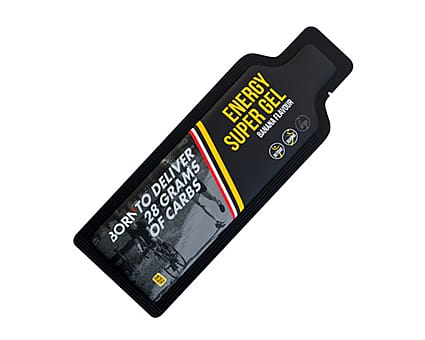
- Energy gels: compact, quickly absorbed, and ideal to take every 30-45 minutes.
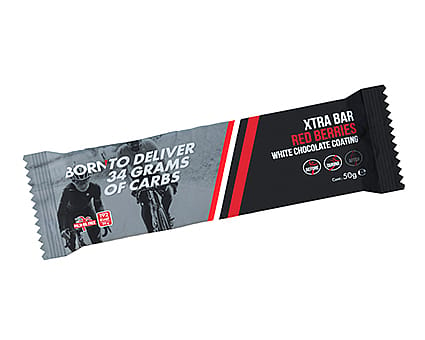
- Sports bars: slightly heavier to digest, but good as a variation.
- Electrolyte drinks or tablets: replenish salts lost through sweat, preventing cramps, dizziness, and performance loss.
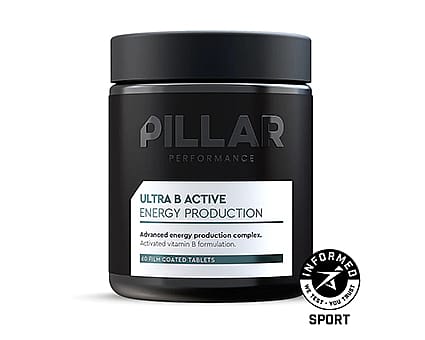
After the marathon, start your recovery
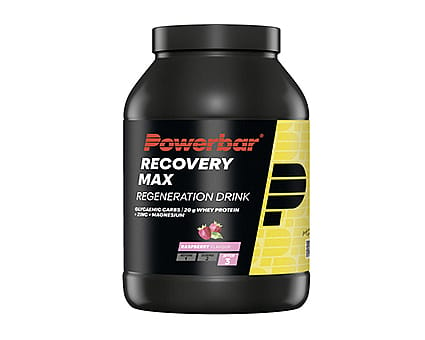
Within 30 minutes after crossing the finish line, your recovery process begins. Give your body what it needs: plenty of fluids, carbohydrates, and proteins. A recovery shake or something simple like a banana with chocolate milk or a small bar can work wonders.
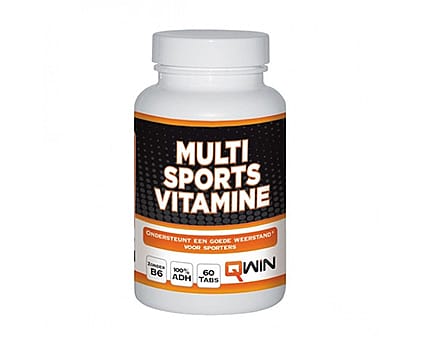
Accessories for Extra Comfort
Once you have the right shoes, clothing, and nutrition, you’re already well-prepared. But it’s often the smaller accessories that make the difference between ‘tough but doable’ and ‘unforgettably challenging.’ Think of carrying your sports nutrition and other small items. These are the accessories you really don’t want to forget.
Hydration within Reach with a Running Belt
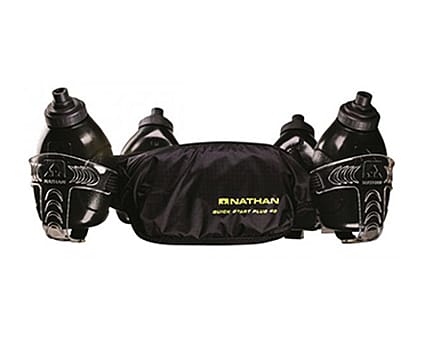
It’s always nice to have some hydration at hand. Sure, there are usually aid stations along the route, but then you have to wait until you reach them. A running belt with soft flasks is perfect for carrying sports drinks or water. In running, what you carry should not be felt, so choose something light that fits snugly against your body.
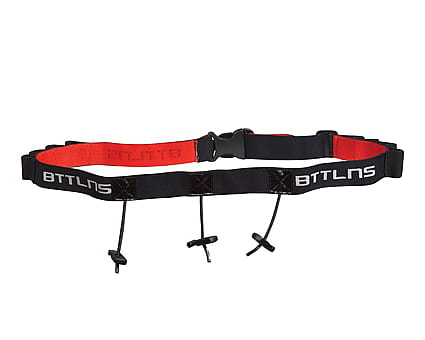
Want to carry nutrition like gels or bars, your keys, or your phone? A race belt is a handy option. You can attach your race number to it, and many belts have extra elastic loops to hold gels or bars. With a race belt, you also don’t need to poke holes in your running shirt.
Keep your head cool with a running cap or visor
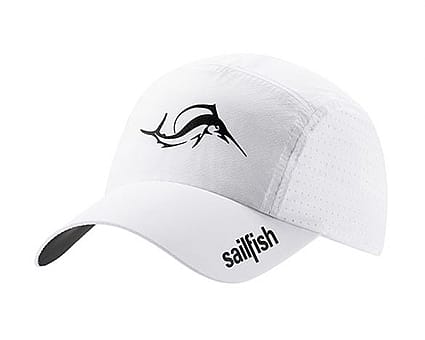
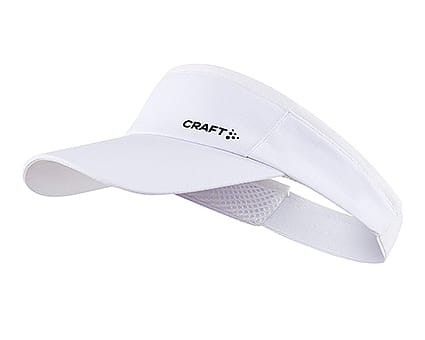
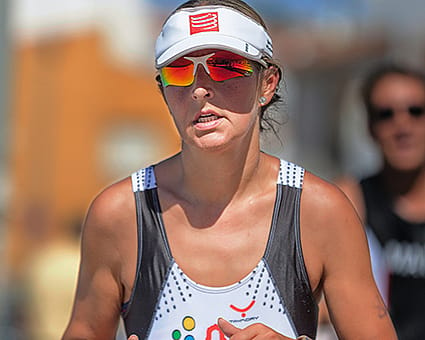
An often underestimated accessory but extremely valuable during a long run in the sun: the running cap or visor. Especially for marathons in spring or autumn when the sun can shine brightly, wearing a cap is no luxury. It protects your head and face from the sun, helps prevent overheating, and keeps sweat out of your eyes.
Unsure whether to choose a cap or a visor? A cap provides more protection and is ideal in bright sunlight, while a visor offers extra ventilation, perfect for warm days when your head needs to stay cool. Both options are lightweight, breathable, and specially designed for sports use—so don’t just pull out a thick cotton cap from your closet.
And the best part? You only realize how useful it is when you’ve forgotten it.
Post-race: think ahead
You might not think about it immediately, but even after the finish line, accessories are essential. Your body cools down quickly and your energy is depleted. Make sure you have a bag ready with:
- Warm, comfortable clothing (sweater, jogging pants, dry clean socks)
- Slippers or easy-to-wear shoes
- A towel
- Snacks and drinks
- A power bank for your phone
These accessories may seem small, but they largely determine your running experience. As a marathon runner, you know: it's the details that ensure you start comfortably, are well-prepared, and cross the finish line smoothly.
Technology: sports watches and headphones
Anyone serious about running a marathon doesn’t rely solely on feel. Technology plays an important role today, both during training and on race day itself. Smart devices help you run more efficiently, pace yourself better, and adjust in time.
Sports watch or heart rate monitor
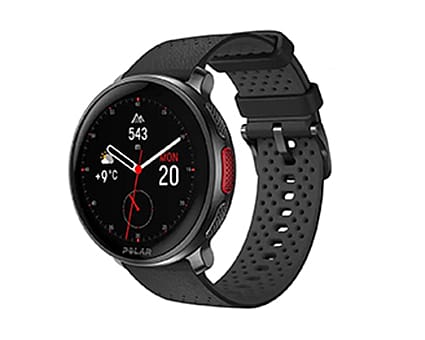
A good GPS sports watch is, in our opinion, not a luxury but a must-have for every marathon runner. Not only during your preparation, where it helps track pace, distances, and recovery, but especially on race day.
With a watch or heart rate monitor you can:
- Monitor your heart rate zones and manage your effort
- Track your pace and split times in real-time
- Check splits to stay on schedule
- Analyze your race afterward to learn
Headphones: focus and rhythm in your ears
For many marathon runners, music is the perfect boost to maintain rhythm and overcome mental dips. But that only works with the right headphones.
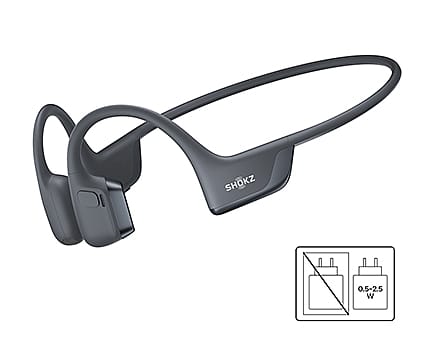
For long distances, we recommend an open-ear sports headphone, such as those from Shokz. This keeps you aware of your surroundings (safety first!) while still enjoying music or motivating podcasts. They are lightweight, sweat- and water-resistant, and stay securely in place even during long efforts.

You don’t have to overcomplicate things, but know this: with a good watch and quality headphones, you’re always a step ahead.
Practical tips for race day
The marathon is no ordinary run. Everything matters: how you sleep, what you eat, what you wear, and even where you stand in the starting corral. On such a nerve-filled day, you want to think about nothing but running. These tips will help you get the most out of your race day.
Get up on time (and plan ahead)
Count back from the start time and determine when you need to get up. Consider:
- Having breakfast at least 3 hours before the start
- Time for a last restroom visit
- Travel to the start location
- Check-in and possibly dropping off your bag
Extra tip: the night before your race, have everything ready—from your running outfit to breakfast and charging cables. You don’t want stress on race day.
Warm-up and starting corral: stay in control
Do a light warm-up to gradually raise your heart rate. A few minutes of jogging and some dynamic stretches are usually enough. Standing around in the starting corral? Keep yourself warm with an old sweater or rain poncho that you can leave behind at the start; sometimes these are collected for charity.

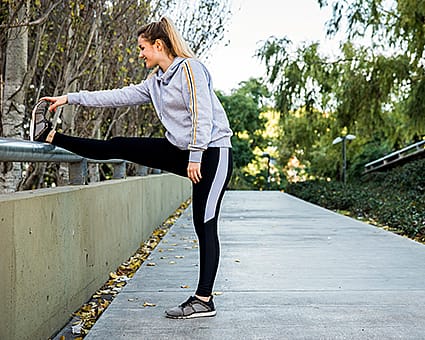
Extra tip: Dress as if it’s 10 degrees warmer than it actually is. You’ll warm up quickly once you start running.
Don’t get carried away, start controlled
Especially at larger marathons, the starting pace is often much too fast. Don’t be tempted by a quick first kilometer; save your energy for later. Stick to your own plan. Your sports watch or heart rate monitor will be your best friend here.
Experienced runners often aim for a negative split: running the second half of the marathon slightly faster than the first. This works surprisingly well both mentally and physically.
Don’t wear anything untested
We say it often, and not without reason: no new clothes, shoes, or nutrition on race day. Test everything, really everything, in your previous long training runs. No matter how tempting those new shorts or gels seem, the marathon is not the time for experiments.
Know the course and your aid stations
Check in advance where the aid stations are and what they offer (water, sports drinks, gels?). Plan your own nutrition and hydration around them. If needed, note on your hand at which kilometer you take which gel, to avoid mistakes in the chaos of the race.
Ready for the 42.195 km
Whether it’s your first marathon or you’ve crossed that magical finish line many times: proper preparation makes everything better. In this blog, you’ve seen that it’s not just about your training, but also about your gear, nutrition, care, and smart race planning. The less you have to think about discomfort while running, the more you can enjoy the moment, the crowd, the rhythm, the adrenaline, and ultimately… the finish line.
Use the checklist, test your gear during training, and start race day calm, confident, and focused. This will not only increase your chances of a strong performance but also ensure an unforgettable experience.
And remember: we at Triathlon24 are here to help you, with advice, quality products, and our own experience as endurance athletes. Have questions or missing something? Feel free to contact us, visit our triathlon store in Volkel, or browse our running collection for your ideal marathon setup.
Good luck, and enjoy your run even more!
You are ready.
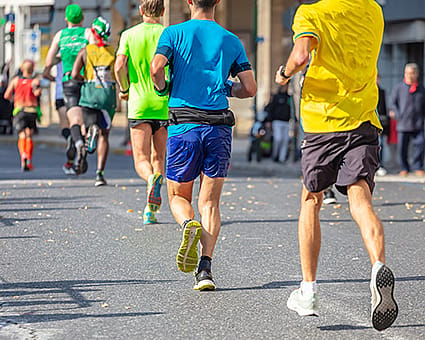
Free Marathon Checklist
Use this marathon checklist for every race you participate in, so you don’t forget to bring anything:
[Download the free marathon checklist (PDF) here]
Running Clothes
[ ] Running shoes (broken in!)
[ ] Compression socks (preferred over regular socks)
[ ] Short or long running tights (depending on the weather)
[ ] Running shirt or singlet
[ ] Sports bra (for women)
[ ] Thermal shirt or base layer (for cold weather)
[ ] Running jacket or rain jacket (for cold or rainy conditions)
[ ] Hat or cap (depending on the weather)
[ ] Running gloves (for cold)
[ ] Optional arm or leg warmers
[ ] Old sweater/jacket for the start area (disposable clothing)
Care & Anti-Chafing
[ ] Anti-chafing stick or Vaseline
[ ] Nipple guards or sports tape
[ ] Blister plasters / tape
[ ] Tissues
[ ] Sunscreen (waterproof)
[ ] Talcum powder (for sensitive feet)
Nutrition & Hydration
[ ] Carboloader / sports drink
[ ] Breakfast (easily digestible and tested)
[ ] Energy gels (4–6 pieces, depending on your plan)
[ ] Energy bars
[ ] Softflasks for hydration / running belt
[ ] Electrolytes / salt tablets
[ ] Recovery bar or drink for after the race
[ ] Snacks (e.g., banana, nuts, chocolate milk)
Accessories
[ ] Race number belt
[ ] Sports headphones (preferably open-ear)
[ ] Sports watch
[ ] Sunglasses (for sunny conditions)
[ ] Running cap or visor
[ ] Small bag or backpack for drop-off
[ ] Power bank (for long absences or weekend trips)
Post-Race
[ ] Dry clothes (T-shirt, sweater, pants, socks)
[ ] Slippers or comfortable shoes
[ ] Towel
[ ] Cleaning wipes / washcloth
[ ] Deodorant
[ ] Water / recovery drink
[ ] Snacks or light meal
[ ] Optional: massage gun, foam roller, or magnesium
Personal Additions
[ ] ____________________________________________________________
[ ] ____________________________________________________________
[ ] ____________________________________________________________
[ ] ____________________________________________________________
[ ] ____________________________________________________________
[ ] ____________________________________________________________
[ ] ____________________________________________________________
[ ] ____________________________________________________________
[ ] ____________________________________________________________
[ ] ____________________________________________________________