


The best running schedule for beginners (12 weeks)
Running is one of the most accessible and effective ways to improve your health. Physically, it helps to improve your fitness, strengthen your heart and lungs, and lose weight. After a few running sessions, you will quickly notice that you feel more energetic and fitter in your daily life – and it also has a positive effect on your mental well-being such as reducing stress, improving sleep, and increasing focus and mental clarity.
Whether you want to improve your fitness, lose weight, or are simply looking for a new athletic challenge, it offers numerous health benefits. And the best part? You don’t need an expensive gym membership, just a pair of good running shoes, running clothes, and a good dose of motivation. However, we see that many runners quit after just a few weeks, which is a shame! That’s why we have created a 12-week running schedule that takes you step by step from walking to 30 minutes of continuous running, or 5 kilometers.
Are you ready to take your first steps? Then read on quickly.
In this blog about tips for beginner runners:

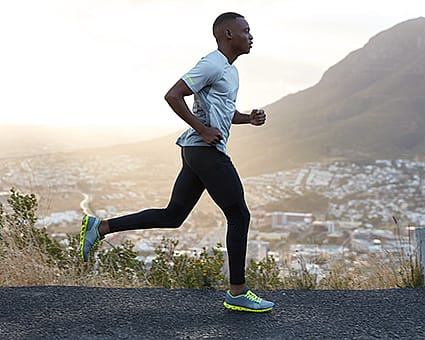
The basic principles for starting running
Before you enthusiastically head out with your new running schedule, it is wise to keep a few basic principles in mind. By preparing well, you can reduce the chance of potential injuries and increase the likelihood of sticking with running. In our opinion, these are the most important basic principles for running:
Build up running gradually
Many beginners make the mistake of wanting too much too soon. Your body needs time to get used to the impact of running. Therefore, use the running schedule above and build up gradually.
Listen carefully to your body
Pain is a signal that you are going too fast or training incorrectly. Take sufficient rest between your training days and stop immediately if you feel pain or persistent complaints.
Ensure good technique
A good running posture prevents injuries and ensures more efficient running:
- Relaxed shoulders and straight back
- Arms move loosely (not too close to the body)
- Land on your midfoot or forefoot (avoid landing too hard on your heel)
Choose the right equipment
- Running shoes – Choose shoes that match your foot type and running style. Poor shoes increase the chance of injuries.
- Breathable clothing – Prevent overheating and irritation with running clothes that wick away moisture.
- Optional: Sports watch or app – Useful to track your progress and stay motivated.
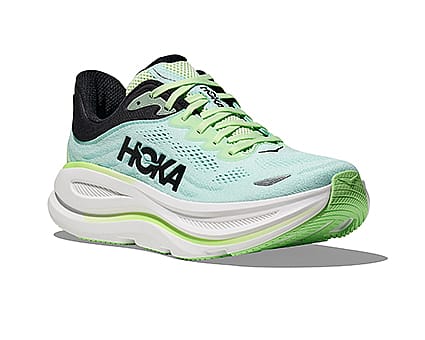
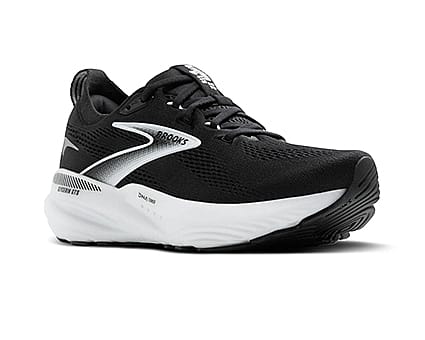
The right running equipment will make a world of difference. Well-fitting running shoes are essential to prevent injuries and improve your running comfort. Therefore, choose running shoes that match your running style. Curious about how to choose the best running shoes for your running style? Also read our blog on [how to choose the best running shoes]. In addition, special running clothing such as a good running pants (long or short) and shirt will help you stay dry and comfortable. Optionally, you can also use a sports watch to track your progress and stay motivated.
Curious about what running equipment you need for running? Also read our blog about [What do you need for running?].
Do a warm-up and cool-down
Prevent injuries by doing a light warm-up before running, such as dynamic stretches or a few minutes of brisk walking. Finish your training with a cool-down, such as walking slowly and stretching.
A good warm-up is important to prepare your muscles for the effort you are going to do and to prevent injuries. It helps gradually increase your heart rate, warm up your muscles, and loosen your joints.
A proper warm-up lasts between 5 and 10 minutes and consists of dynamic exercises followed by a short warm-up run. Below is an example of a warm-up you can do:
High Knees – 30 sec
Alternate lifting your knees toward your chest while jogging in place.
Butt Kicks – 30 sec
Run in place and tap your heels to your glutes to warm up your hamstrings.
Lunges with rotation – 10 per leg
Step forward into a deep lunge and rotate your upper body to the side.
Side lunges – 10 per side
Step sideways and bend one knee to loosen your hips and thighs.
Heel-to-toe movements – 10 per foot
Slowly alternate standing on your toes and heels to activate your ankles and calves.

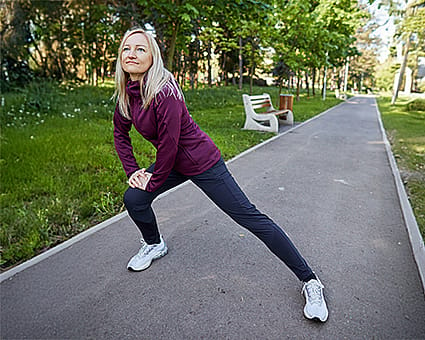
A proper cool-down is just as important as a warm-up. It helps your body gradually cool down, prevents muscle soreness, and reduces the risk of injuries. After an intense run, it is recommended to do a 5 to 10-minute cool-down with light movements and static stretches. Some cool-down exercises you can do are:
Walk slowly (2-3 minutes)
Allow your heart rate and breathing to gradually decrease by walking slowly after running.
Calf stretch (30 seconds per leg)
Place one foot back, press your heel into the ground, and feel the stretch in your calf.
Hamstring stretch (30 seconds per leg)
Place one foot forward, keep your leg straight, and lean slightly forward to stretch the back of your thigh.
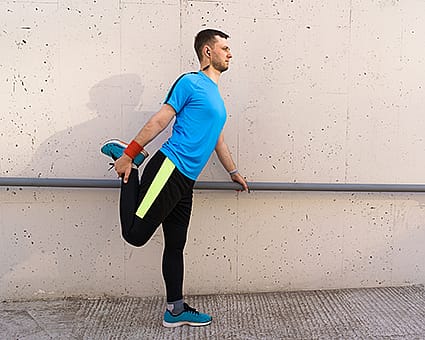
Quadriceps stretch (30 seconds per leg)
Grab your ankle and pull your heel toward your glute to stretch your thigh.
Hip and glute stretch (Butterfly stretch – 30 seconds)
Sit down, press the soles of your feet together, and gently push your knees downward to loosen your hips.

How long does it take to run 5 kilometers?
We often get this question from beginner runners. How long it takes to run 5 kilometers depends on several factors, such as your starting fitness level, age, perseverance, and how consistently you train. On average, most beginners can reach a distance of 5 kilometers within 8 to 12 weeks. However, it is important to follow the running schedule properly and train regularly.
Conclusion
With this 12-week running schedule, you build your fitness in a responsible way and minimize the risk of injuries. By gradually building up, listening to your body, and doing the proper warm-up and cool-down, you increase the chances of sticking with running and enjoying it even more.
Whether you are just starting with running, want to improve your fitness, lose weight, or take on a new challenge, anyone can reach 5 kilometers with the right approach. Stay motivated, set achievable goals, and most importantly, enjoy your progress and the journey toward a healthier and fitter life.
Can't wait to get started? Print or save the beginner’s schedule, pick out some fun new running gear such as good running shoes and clothing, and take your first step toward 5-kilometer runs today.

What to do after 12 weeks of running? Train further for longer distances
Have you already reached the great milestone of running 5 kilometers continuously? Well done! But what now? Challenge yourself further by gradually increasing your distances. Below are some ways to continue your training:
Gradually increase your distance: Want to train for 10 kilometers? Extend your longest run by 5 to 10% so your body can adapt without overloading.
Work on your speed: For example, add interval training, such as 1 minute faster running followed by 2 minutes easy. This helps improve your pace and endurance.
Stay consistent: Try to run 3 to 4 times per week, alternating between easy long runs, faster tempo runs, and recovery runs.
Sign up for a running race: Training for a race can be a fun and challenging goal and give you extra motivation to keep training.
Need help choosing your new running gear?
Do you want to start running and buy new running gear? But are you not yet sure which clothing/equipment suits your needs best? We are happy to help you with all your questions to make the perfect choice. You can reach our running specialists via +31(0)413-256800 or send an email. You can also visit our store in Volkel, Netherlands.