


How to reduce and prevent wetsuit chafing
Wetsuit chafing is a well-known problem. The painful feeling after a swim session or race is something you would rather avoid. However, it is not always that simple to identify the cause of this chafing. Fortunately, we can provide you with more information on how to best prevent wetsuit chafing – and maybe after reading this blog you will also find the cause! Chafing on your skin can occur due to continuous friction between your skin, the water, and your wetsuit. This can happen, for example, if you repeat the same movements for a long period, causing irritation of the skin.
In this blog about reducing and preventing chafing:
Tip 1: Wetsuit anti-chafing sticks
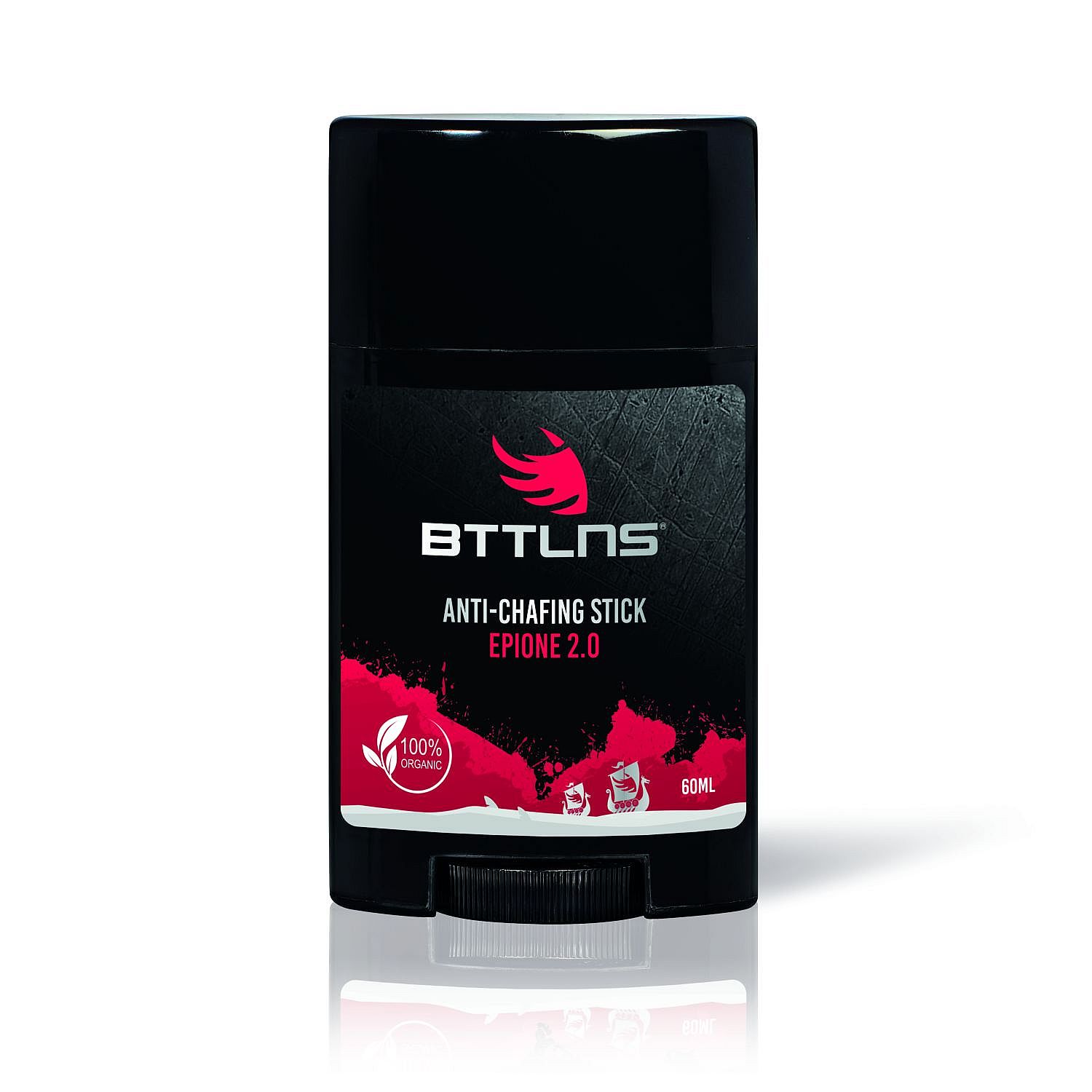
Wetsuit anti-chafing sticks, this is the easiest way to prevent chafing. Before putting on your wetsuit, apply a generous amount of wetsuit glide to the areas that need it. You apply it just like a roll-on deodorant. Areas where you are more likely to experience chafing include your neck, chest, shoulders, underarms, groin, buttocks, inner thighs, and feet. Apply the anti-chafing product exactly where you experience irritation. This creates a protective layer between your skin and the suit.
Important: Only use a stick, oil, or cream that is specially designed for your wetsuit. These products are specifically developed to reduce the risk of chafing. In addition, they will not damage the neoprene of your wetsuit.
Avoid products made with petroleum (such as Vaseline). These petroleum-based products damage the neoprene of your wetsuit, reducing the lifespan of your suit.
Tip 2: Use a neck protector
Do you notice that your neck is more sensitive to chafing? Then you can also opt for an extra neck protector, also known as a Mugiro. This silicone collar is specially designed to protect the most sensitive parts of your neck from chafing while wearing your wetsuit.
Thanks to the elastic material, the neck protector forms a good protective layer between your skin and the wetsuit. This ensures that you can move the wetsuit independently from your neck. In addition, the neck protector features a flap-shaped extension at the back. This clever addition ensures that you are also protected from irritation caused by the wetsuit zipper.
Experience ultimate comfort and protection during your swimming adventures with the Mugiro wetsuit neck protector orange. This innovative silicone collar is specially designed to protect the most sensitive parts of your neck from chafing and injuries that often occur while wearing a wetsuit.

Tip 3: Check the seams of your wetsuit
Check the seams of your wetsuit. It could be that the chafing wounds are located exactly where the seams of the wetsuit are. Also, look for anything sticking out that could cause irritation.
Tip 4: Your swimming technique
Did you know that your swimming technique also plays an important role? We sometimes see chafing appear between the legs or on the face. These are possible signs that you are doing something wrong as a swimmer; for example, by using an incorrect kick where you keep your legs too close together, or by moving your head too far upward when breathing.
Tip 5: Wash your wetsuit thoroughly after every swim session
After every swim session, we recommend rinsing your wetsuit thoroughly with fresh tap water. This ensures that sand grains and other dirt are removed or at least minimized, which can greatly reduce the chance of chafing.
These are all possible ways and causes of chafing from your wetsuit. But keep in mind, chafing can always occur and it will never be 100% preventable. Everyone’s skin is different, and some people’s skin is more sensitive than others. As a result, irritation can occur more quickly.
As you have read, there are quite a few different causes that can lead to chafing. So the best advice we can give is to experiment and find out exactly what causes your chafing, and then try to find the best possible solution!


Need help reducing chafing?
Our triathlon specialists are happy to assist you with any questions you may have. This way, you can soon make the right choice and enjoy your swimming even more. You can contact our specialists via +31(0)413-256800, send an email, or visit our triathlon store in the Netherlands.