


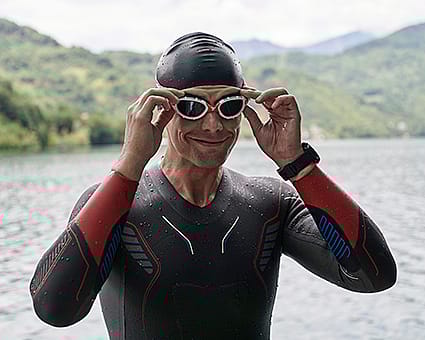
You are swimming in open water just after sunrise. The water surface sparkles brightly, the buoys lie far in the distance, and you are trying to maintain orientation in an unpredictable environment. But with the wrong goggles, you barely see anything. You squint, lose direction, or worse: lose contact with your swimming buddy.
For open water swimmers and triathletes, clear vision is not a luxury, it's a requirement (also for indoor pool swimmers). The right lens color in your goggles makes the difference between confidence and uncertainty, between precise navigation and aimless drifting. A mirrored lens protects against sunlight on open water, an amber lens increases contrast in cloudy conditions, and polarized lenses filter out annoying reflections from the water surface.
Whether you are training for an IRONMAN, a local sprint triathlon, or just your weekly open water session, this guide helps you choose the right lens color. This ensures you always have optimal vision, whatever the weather or light conditions. Let’s quickly explore the types of lenses.
In this guide about choosing the right swimming goggle color:
- How to choose the right swimming goggles?
- Quick overview: which lens fits which conditions?
- Extended overview, all types of swimming goggle lenses
3.1. Transparent lenses
3.2. Dark lenses (smoke)
3.3. Mirrored lenses
3.4. Polarized lenses
3.5. Orange lenses
3.6. Blue lenses
3.7. Photochromic lenses
3.8. Smart lenses - Maintaining your swimming goggle lenses for optimal vision
- Conclusion
- Frequently asked questions about swimming goggle lenses
How to choose the right swimming goggle lenses?
Choosing the right lens color starts with one simple question: where and when do you swim most often? What works perfectly in a sunlit lake isn’t necessarily suitable for an indoor pool. Below we explain how to make the best choice based on your swimming habits:
Light conditions: bright, diffuse, or low light?
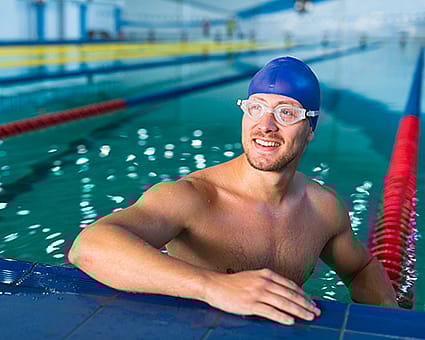
Light plays a major role in your underwater vision. Do you often swim on sunny days in open water? Then a mirrored or polarized lens is essential to reduce glare. In a pool with bright lighting, you might choose a dark (smoky) or blue lens. If you swim in the evening or in low-light conditions, a clear or orange lens is the best option.
Your swimming location: indoor or open water
Indoor pools often require clear or lightly tinted lenses, while in open water you want to protect your eyes from sunlight and reflections. Triathletes often face bright morning light during races: mirrored or polarized lenses provide the best balance between visibility and protection.
Usage: recreational, training, or competition
Recreational swimmers prioritize comfort and clear vision. Training swimmers seek versatility (like blue or photochromic lenses), while competitive swimmers often choose mirrored lenses for focus, privacy, and light protection.
Your personal preference: what works for you?
Some swimmers prefer clear, undistorted vision. Others prefer increased contrast or style (for example, with a gold mirror coating). Light sensitivity also matters: if you are easily bothered by brightness, a dark or polarized lens is recommended.

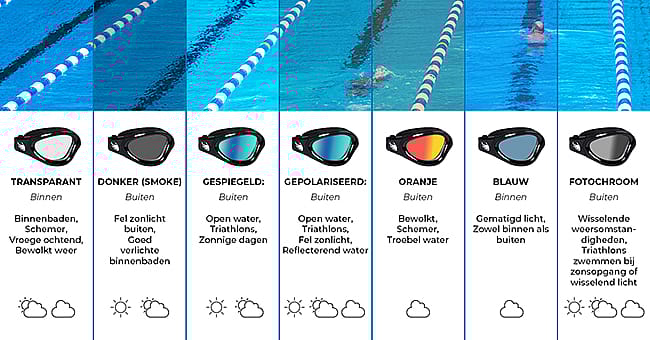
Detailed overview, all types of swim goggles and when to use them
Not every lens is suitable for every situation. Do you swim early in the morning, in bright sunlight, or in an indoor pool with artificial lighting? The right lens color helps you see better, increases comfort, and prevents eye fatigue. Below we explain each lens, its function, when to use it, and when a different choice might be better.
3.1 Transparent lenses
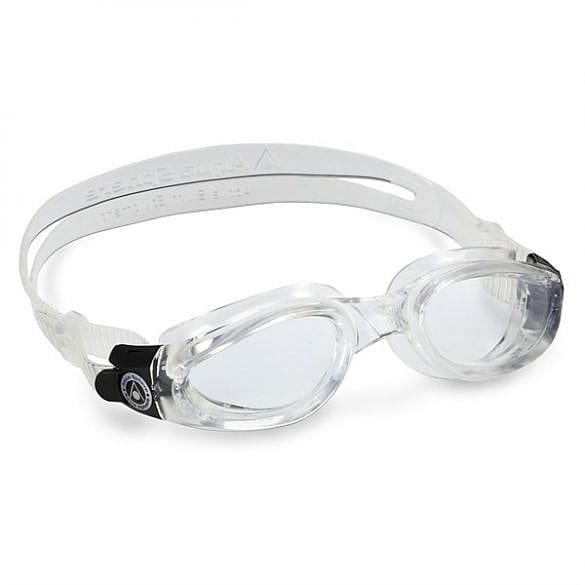
Transparent lenses are clear and allow as much light as possible through. They provide neutral vision without color distortion.
When to use transparent lenses?
They are ideal for indoor pools or swimming early in the morning, evening, or under cloudy conditions with low light.
Advantages of transparent lenses:
- Maximum light transmission
- No color distortion
- Very suitable for low light conditions
Less suitable for...
- Bright sunlight or very bright outdoor environments.
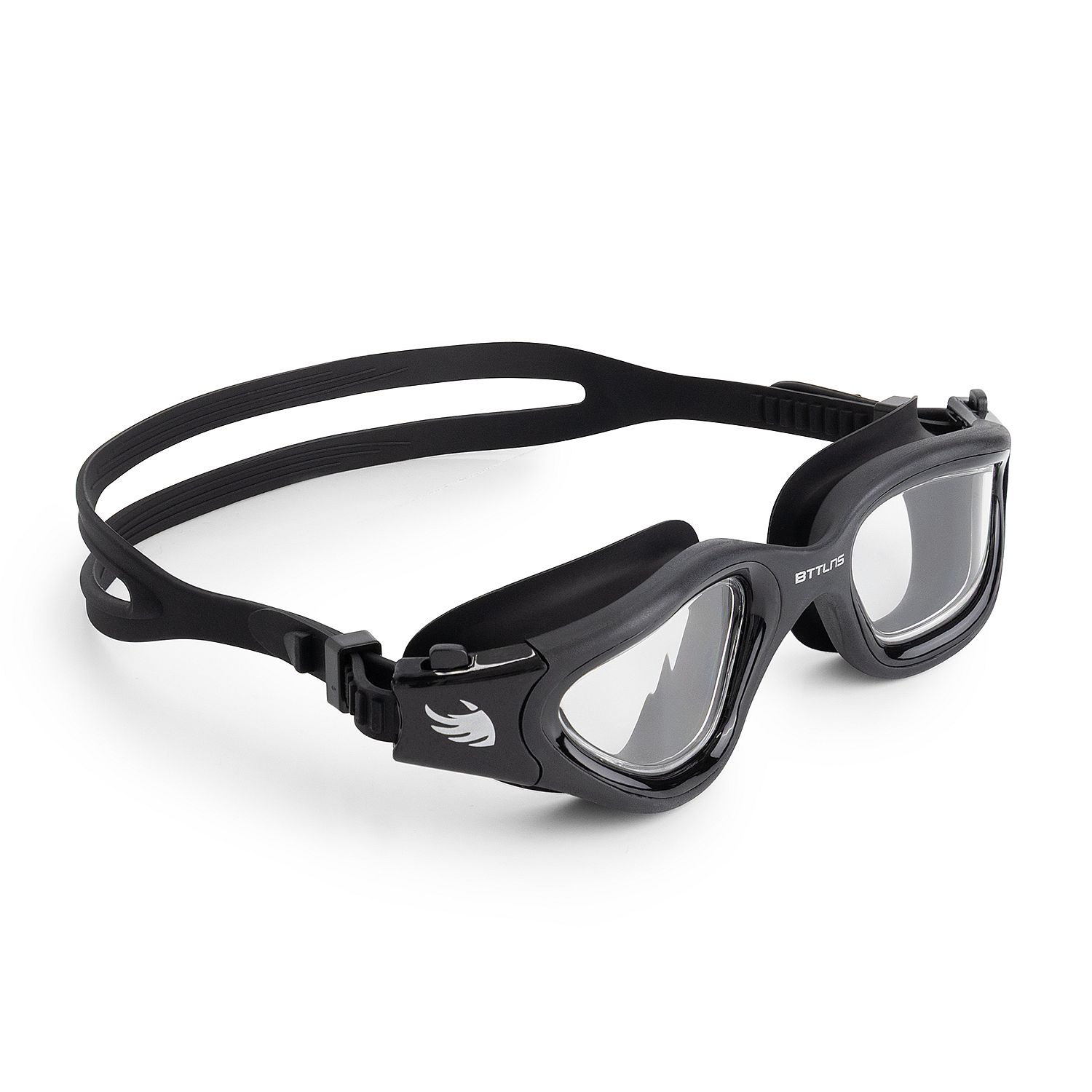
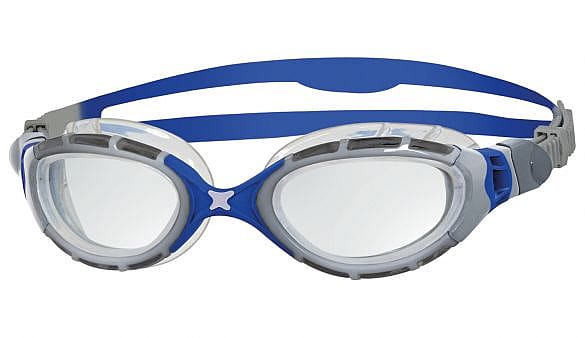
Some recommended swim goggles with transparent lenses are:
Order before 17:00, delivered tomorrow
Delivery within 2 – 4 business days
3.2 Dark lenses (smoke)
Gray and smoke lenses reduce light entry without color distortion and provide extra comfort for your eyes.
When to use dark lenses?
They are very suitable for outdoor swimming on sunny days or swimming in brightly lit indoor pools.
Advantages of dark lenses:
- Reduces glare and brightness
- Neutral color perception
- Comfortable in bright light
Less suitable for...
- Dusk, cloudy days, or low-light indoor pools.
Some recommended swim goggles with dark lenses are:

Delivery within 2 – 4 business days

Order before 5:00 PM, delivered tomorrow
3.3 Mirrored lenses
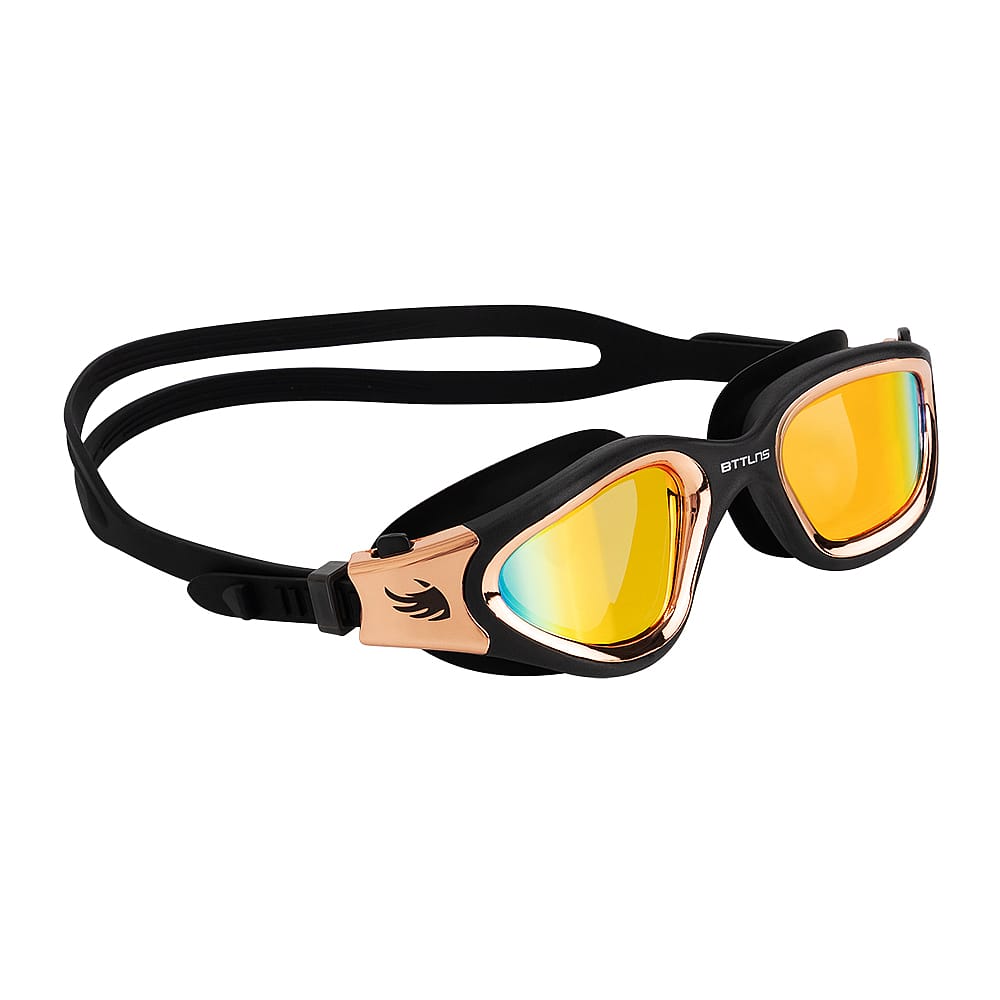
Mirrored lenses are lenses with a reflective coating on the outside that reflects light and reduces glare.
When to use mirrored lenses?
These are perfect for open water, sunny conditions, and competitions.
Advantages of mirrored lenses:
- Protects against bright sunlight and reflections
- Provides a visual advantage during competitions
- Offers privacy (your eyes are not visible)
Less suitable for...
- Indoor pools with low light — may be too dark.
Some recommended swim goggles with mirrored lenses are:
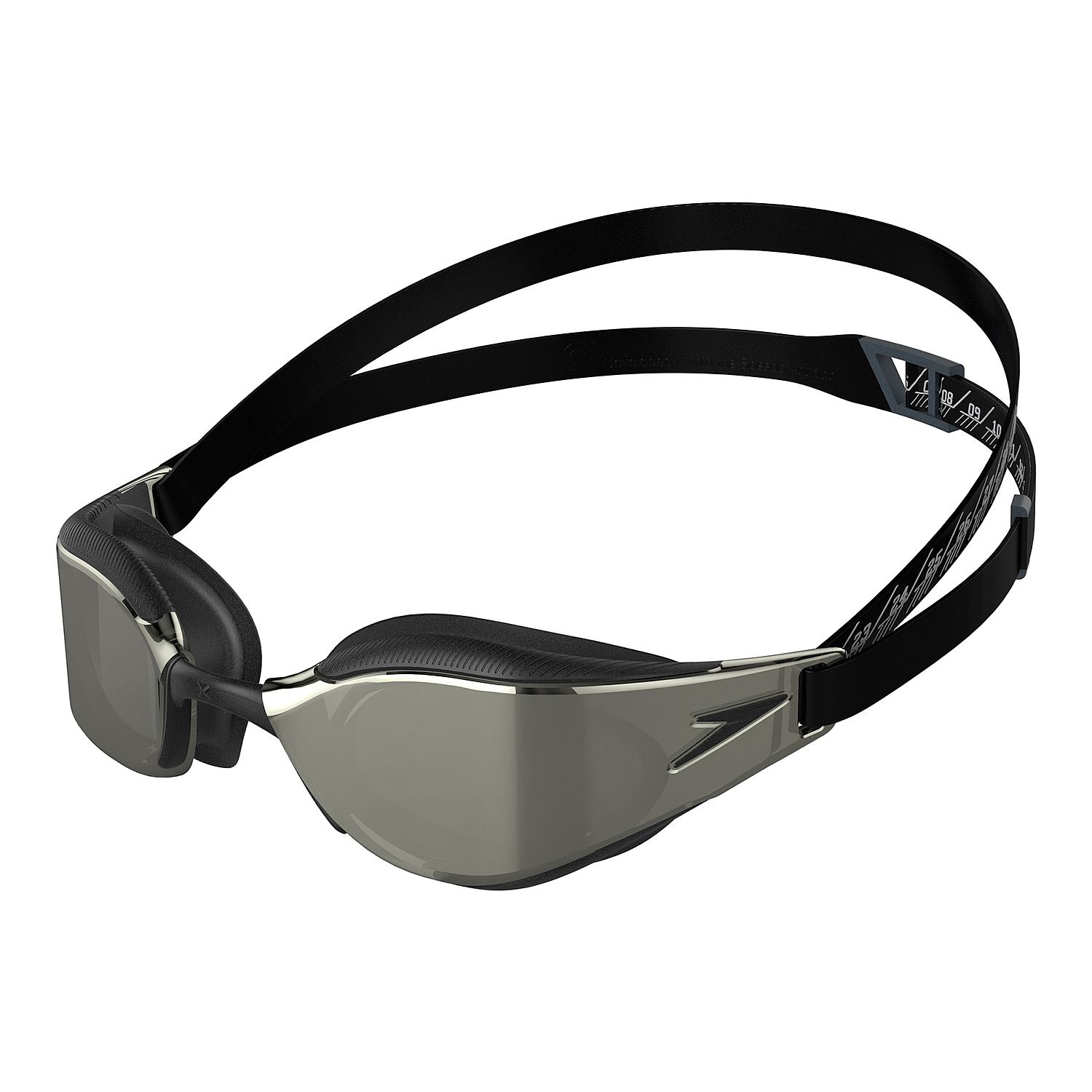
Order before 5:00 PM, delivered tomorrow
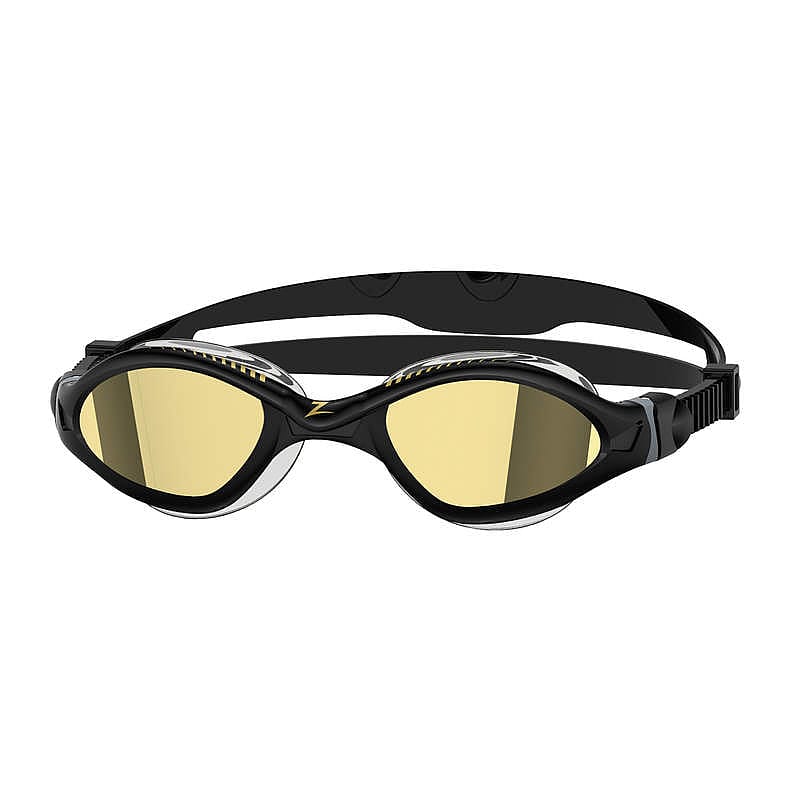
Order before 5:00 PM, delivered tomorrow
3.4 Polarized lenses
Polarized lenses are lenses that filter horizontal light, neutralizing annoying reflections from the water surface.
When to use polarized lenses?
These are ideal for open water swimmers, triathletes, and swimming in bright sunlight.
Advantages of polarized lenses:
- Ultimate glare reduction
- Enhances contrast and visibility in open water
- Reduces eye fatigue during long sessions
Less suitable for...
- Indoor pools or dark environments, as the filtering may be too strong.
Some recommended swim goggles with polarized lenses are:
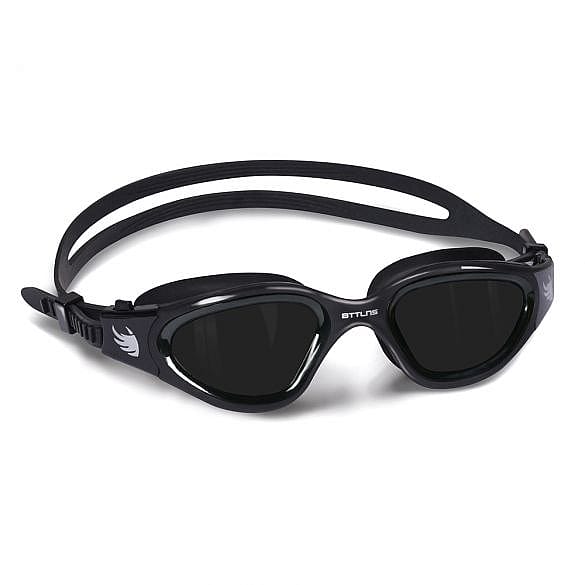
Order before 17:00, delivered tomorrow
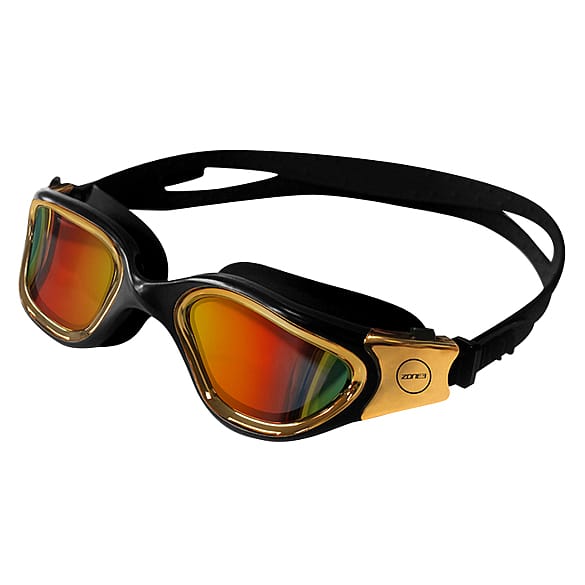

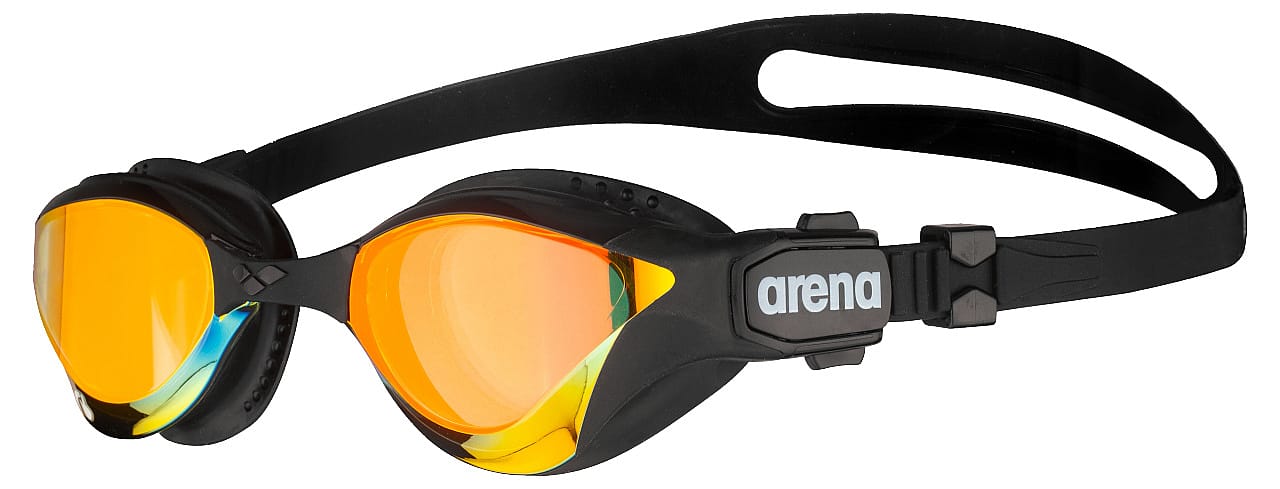
3.5 Orange lenses
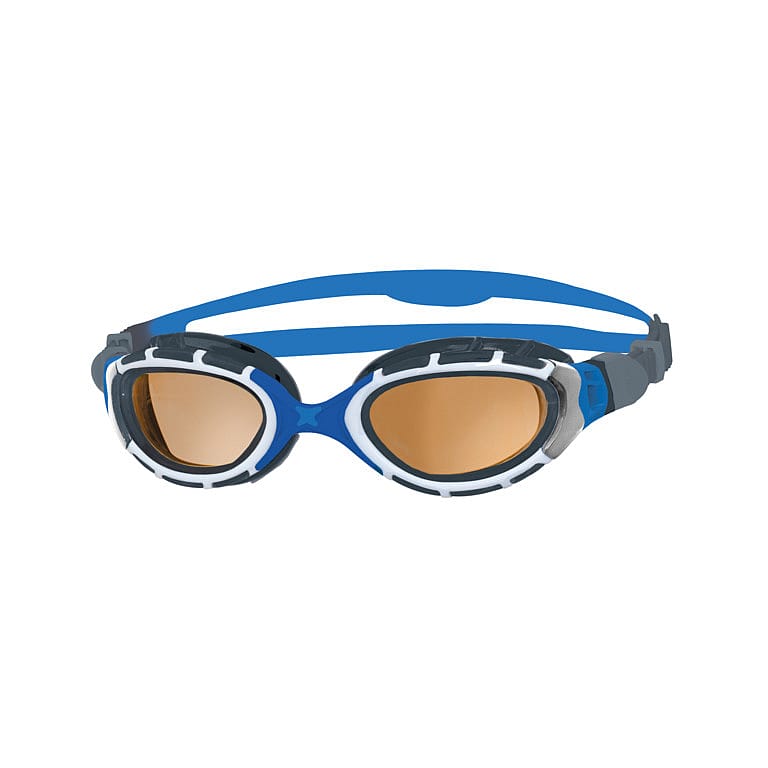
Orange lenses are lenses that filter light and enhance contrast, making objects and buoys more visible.
When to use orange lenses?
Cloudy days, dusk, or swimming in murky water.
Advantages of orange lenses:
- Enhances contrast
- Improves visibility in diffuse or low light
- Works well in foggy or gray conditions
Less suitable for...
- Extremely bright light or sunny open water conditions.
Some recommended swim goggles with orange lenses are:

Order before 5:00 PM, delivered tomorrow
Order before 5:00 PM, delivered tomorrow
3.6 Blue lenses
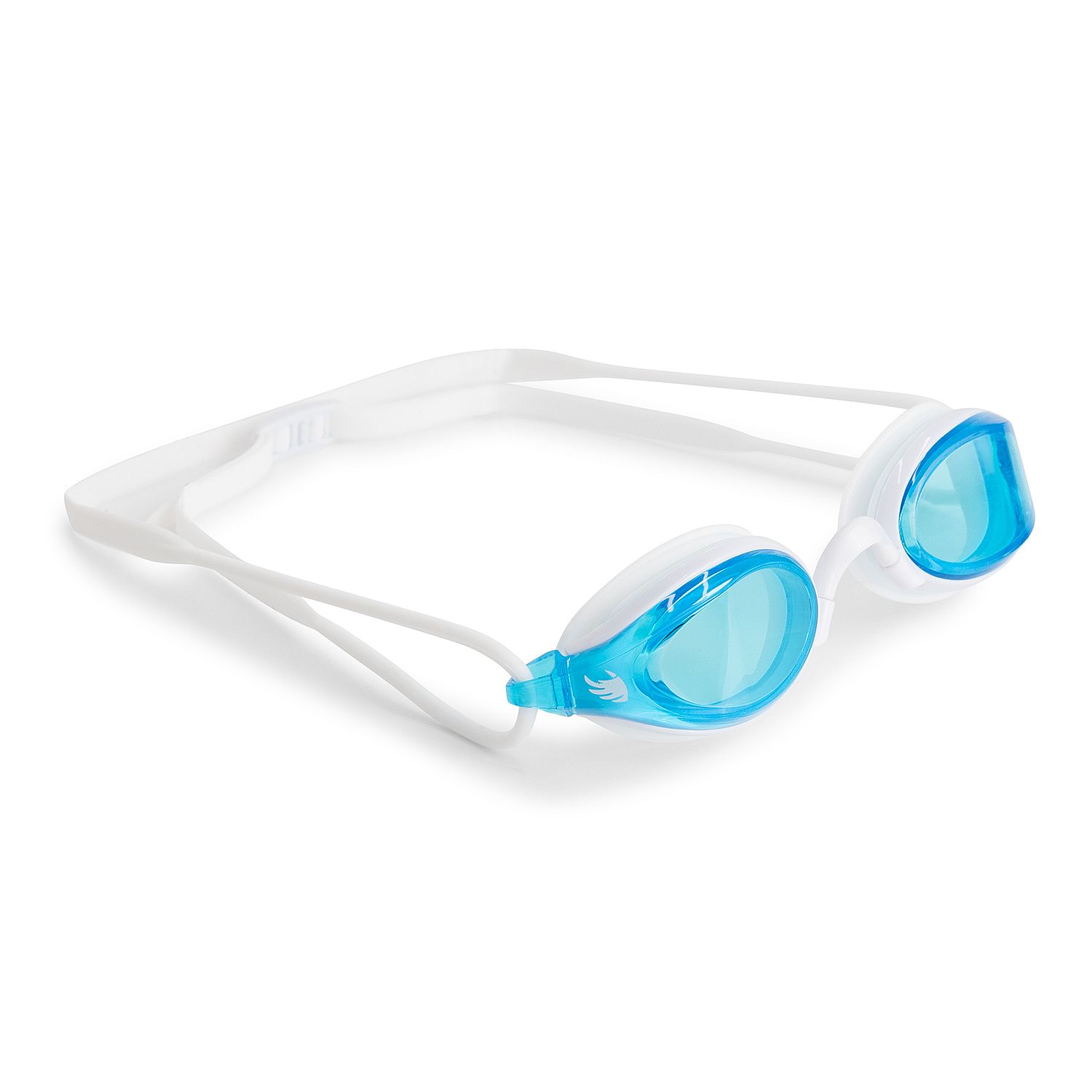
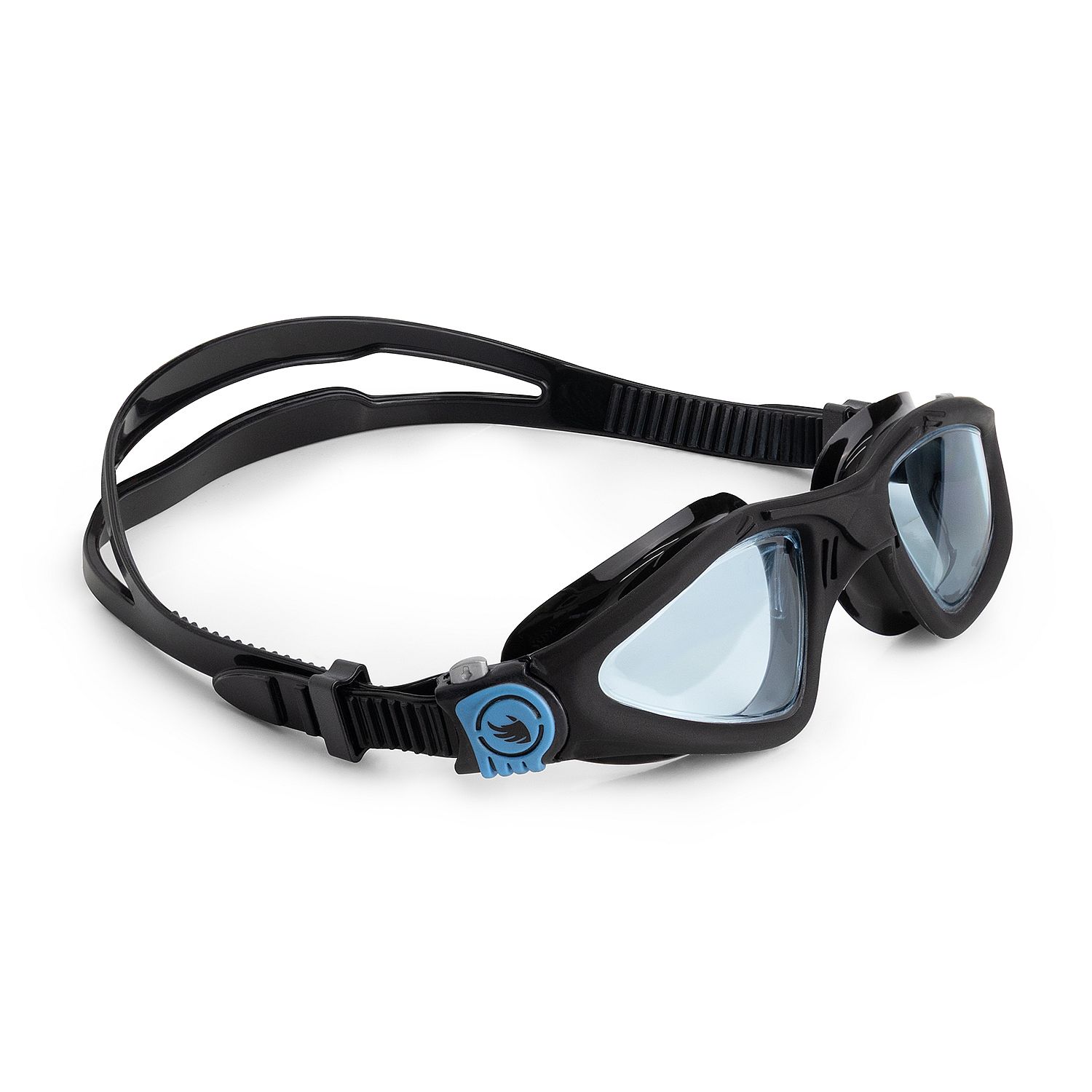
Blue lenses provide a soft color filter that ensures balanced vision and reduces glare from the water.
When to use blue lenses?
They are most commonly used for swimming in indoor pools with moderate light.
Advantages of blue lenses:
- Reduces mild glare
- Maintains natural color perception
- Suitable for varied use
Less suitable for...
- Very bright sunlight or very dark conditions.
Some recommended swim goggles with blue lenses are:
Order before 5:00 PM, delivered tomorrow
Order before 5:00 PM, delivered tomorrow
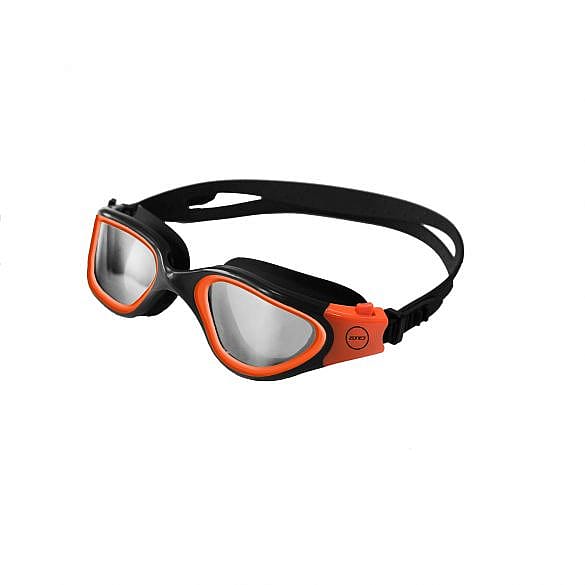
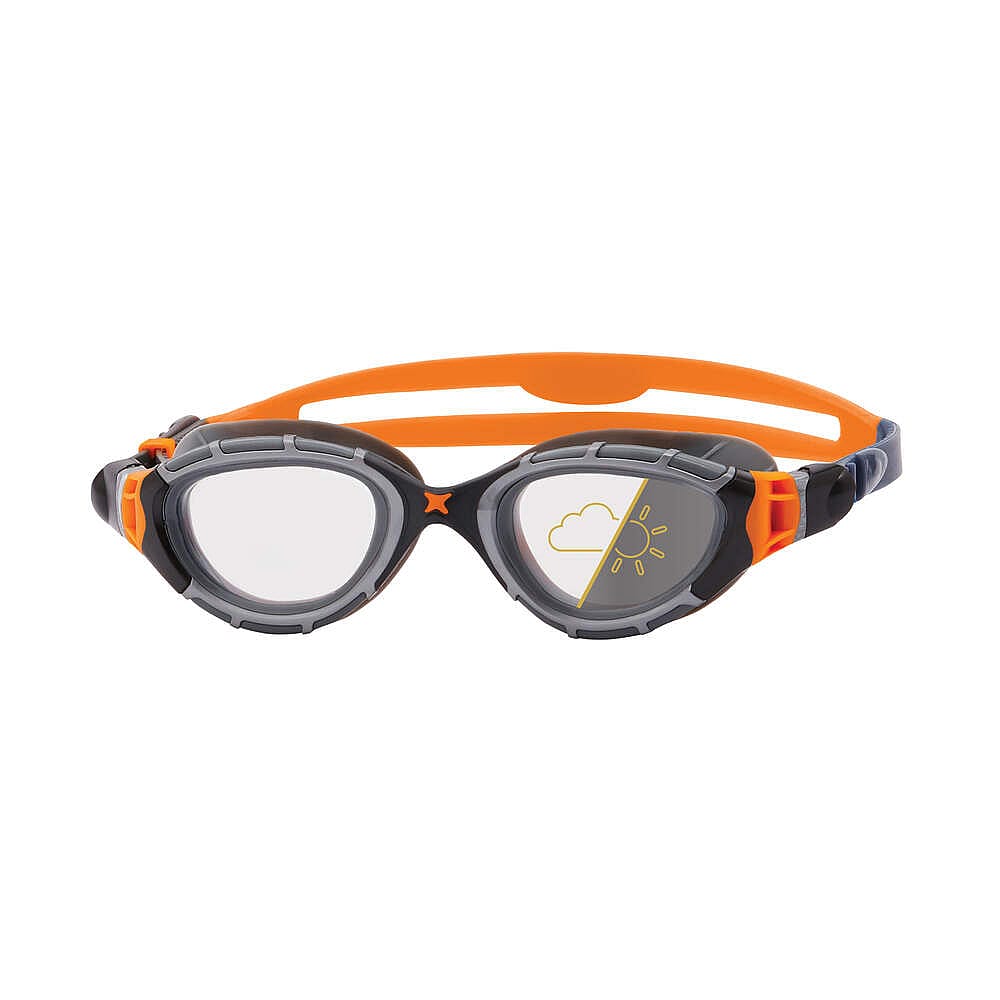
3.7 Photochromic lenses (self-tinting)
Photochromic lenses are smart lenses that automatically adapt to lighting conditions, from bright to dark (and vice versa).
When to use photochromic lenses?
For those training in variable conditions (sun, clouds, morning or evening light).
Advantages of photochromic lenses:
- Automatically adjusts
- Comfortable in changing weather
- One pair of goggles for all lighting conditions
Less suitable for...
- These lenses are suitable for both outdoor and indoor swimming.
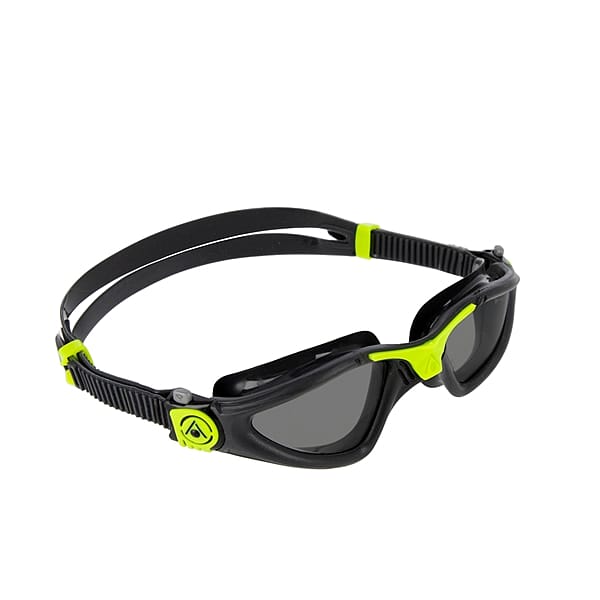
Some recommended swim goggles with photochromic lenses are:
Order before 5:00 PM, delivered tomorrow
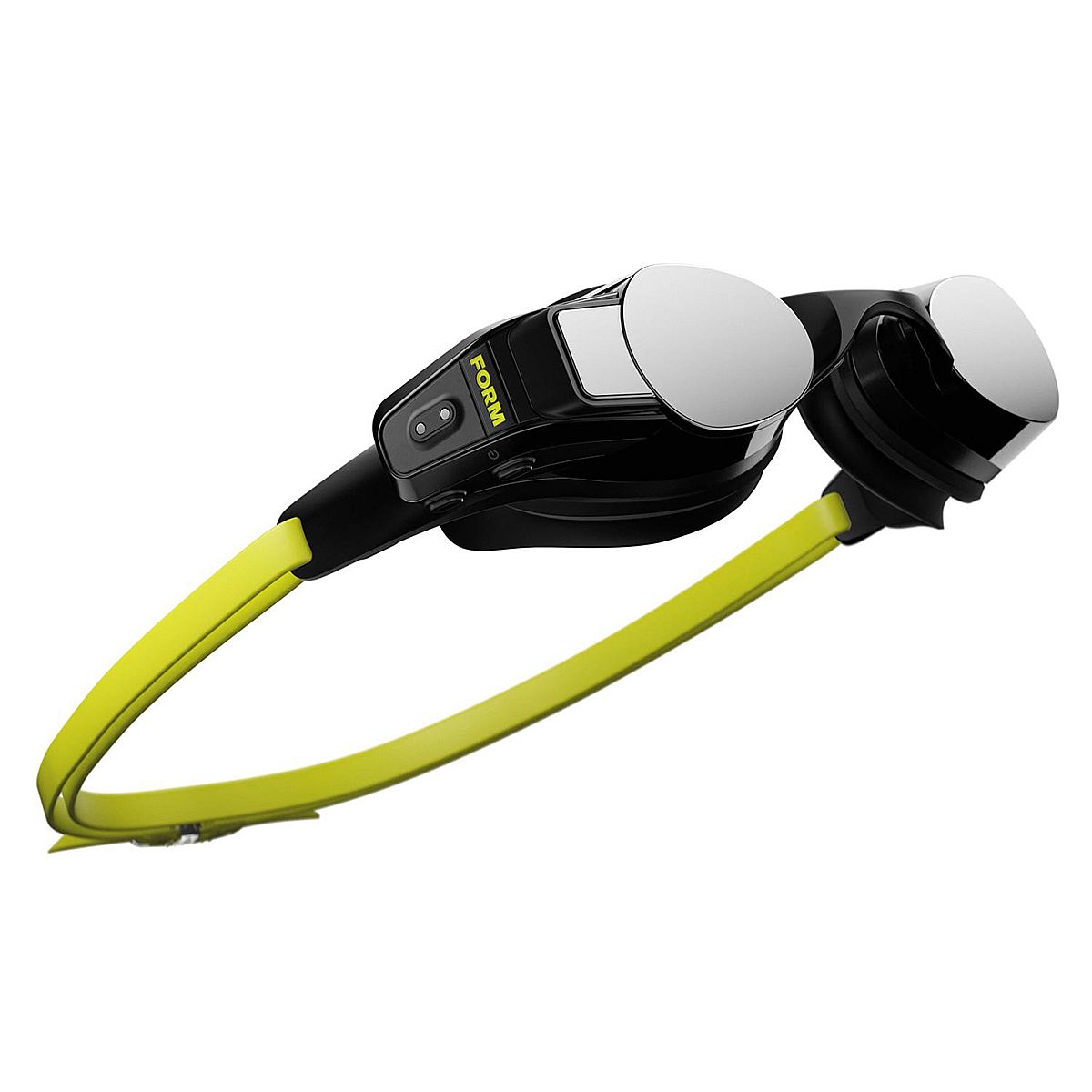
3.8 Smart lenses
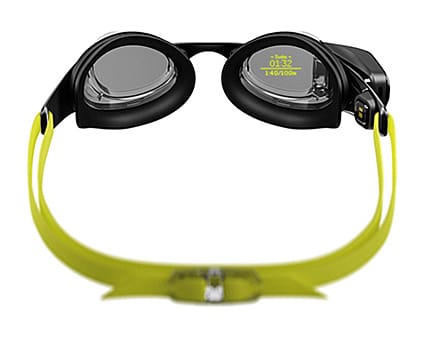
Integrated smart HUD lens with real-time data such as speed, distance, and heart rate in your field of view.
When to use smart lenses?
For serious triathletes and data-driven swimmers who want to optimize their performance.
Advantages:
- Live performance data while swimming
- Connects with sports watches and apps
- Ideal for training in open water or pool
Less suitable for...
- Beginners or recreational swimmers who do not need digital feedback.
The smart swim goggles we recommend are:
Delivery within 1 – 2 business days

Maintenance of your swim goggle lenses for optimal vision
A good pair of swim goggles is only truly effective if you take care of them properly. With the right maintenance, your vision stays clear, your lenses last longer, and the anti-fog coating remains effective. These three tips help you keep your goggles in top condition:
Never touch the inside of the lens
Almost all swim goggles today have a special anti-fog coating on the inside. This prevents your goggles from fogging during swimming. However, this layer is delicate. Rubbing or drying with a towel can damage the coating and make the lens appear dull. If there is residue, gently rinse your goggles with clean tap water and let them air dry.
Rinse your goggles thoroughly after each use
Whether you swim in chlorinated, salt, or freshwater, always rinse your goggles under lukewarm tap water. This removes salts, chemicals, and debris that can shorten the lifespan of your lenses and seals. Note: do not use soap or cleaning agents!
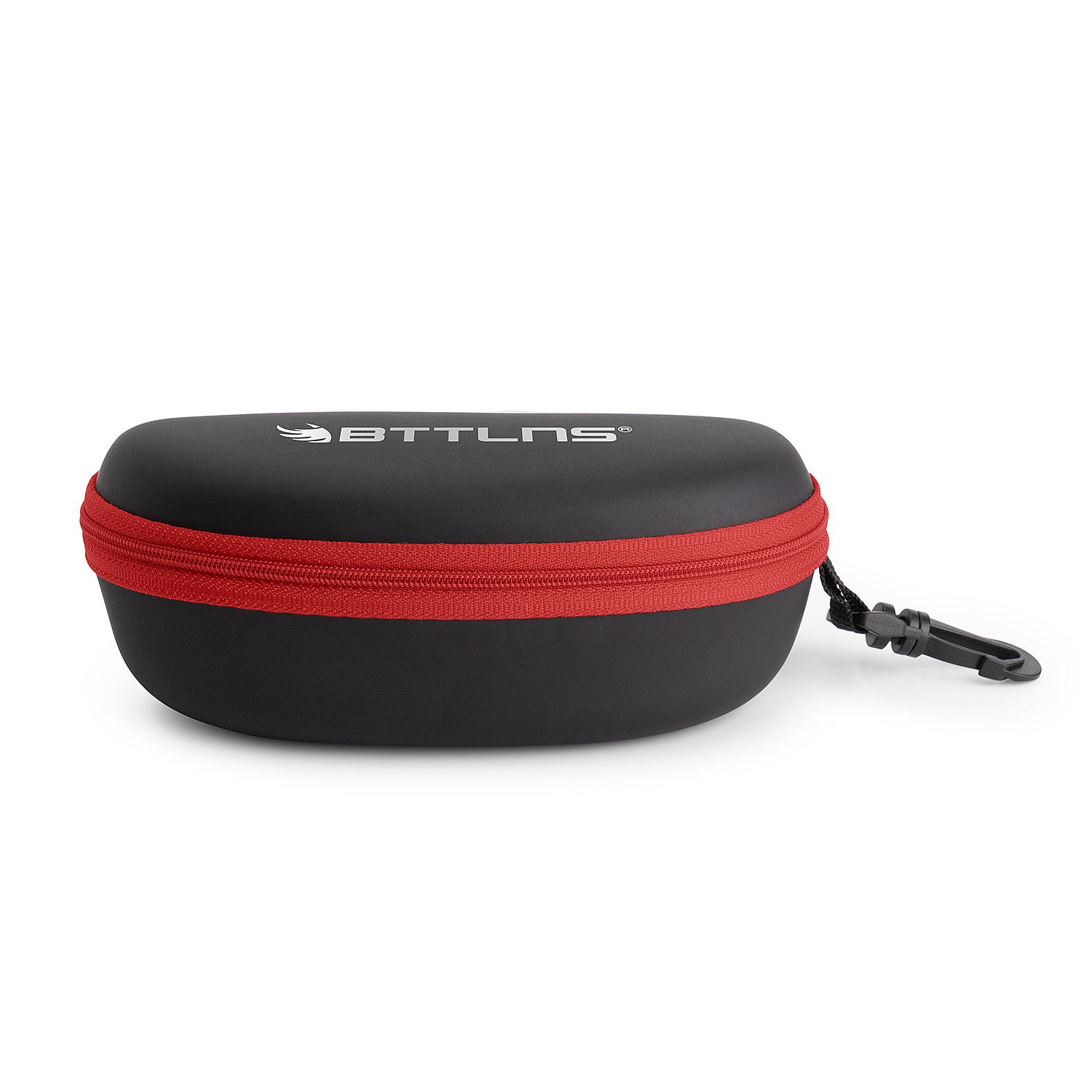
Store your goggles in a protective case
Do not leave your goggles loose in your sports bag among sharp zippers and wet clothing. A protective case prevents scratches on the lenses, deformation of the fit, and unintended damage to the anti-fog coating. Preferably use a hard case or a soft case with ventilation holes. Some goggles come with a pouch or box for storage. If there is no pouch or box included, we have a separate protective case.
Conclusion
Choosing the right swim goggle lenses is not a matter of taste, but of vision, safety, and performance. The correct lens color ensures that you always see clearly, whether you experience bright sunlight during a triathlon, train in a dimly lit indoor pool, or dive into open water early in the morning.
A well-chosen lens provides comfort for your eyes, improves orientation, and prevents frustration. This is reflected in your confidence, swimming technique, and finishing time. With the right lenses, you will always have clear vision, wherever you swim.
Need help choosing your new swim goggles?
Do you want to buy a new pair of swim goggles but are unsure which model best fits your needs and preferences? We are happy to help with any questions so you can make the perfect choice. You can reach our swim specialists via +31(0)413-256800 or send an email. You can also visit our store in Volkel, Netherlands.

Frequently asked questions about swim goggle lenses
Are mirrored lenses also suitable for indoor use?
Mirrored lenses are primarily designed to reduce bright sunlight and glare outdoors. In a brightly lit indoor pool they can still work well, but in pools with low light they are often too dark. For indoor swimming, we recommend a transparent, blue, or light amber lens.
What is the difference between polarized and mirrored lenses?
Mirrored lenses have a reflective outer layer that bounces sunlight before it reaches your eyes, making them ideal for bright light and open water. Polarized lenses go a step further: they filter out bothersome horizontal reflections, such as sunlight on the water surface. This reduces glare and increases contrast, perfect for long sessions in open water or triathlons.
How does a photochromic lens work?
A photochromic lens automatically adjusts to the light. In bright sunlight, it darkens; in cloud or shadow, it lightens again. This process is gradual and ideal for swimming in changing conditions, such as sunrise, cloudy weather, or long sessions with varying light.
Are colored lenses purely aesthetic?
No, definitely not. While color also reflects style, each lens color has a specific functional purpose. Orange lenses improve contrast in flat or diffuse light, while blue lenses are suitable for average light indoors or outdoors. The color affects light filtering, contrast, and visibility.
How can I tell if a lens has UV protection?
Most modern swim goggles come with standard UV protection, especially mirrored, polarized, or photochromic lenses. This is always listed in the product specifications.
Are mirrored lenses only for competitions?
No. While many competitive swimmers choose mirrored lenses for focus and appearance, they are also excellent for recreational outdoor swimming due to their protection against bright sunlight.