


What do you need for running? The complete guide
Short answer: to start running you need four things: good running shoes, running socks, a breathable running shirt and running shorts or tights. Women add a sports bra. A running jacket, a cap or hat, lights and a hydration belt complete your kit once you run more often, longer or through autumn and winter. Expect to pay around 200 to 300 euros for a complete basic set, most of which goes on the shoes.
Whether you want to start running or have been training for years, the right running clothes and accessories get more out of every session and reduce the risk of injury. Running sounds simple, shoes on and go, but with cotton socks, a heavy shirt and worn-out sneakers the fun is over after two kilometres. In this guide you will read which running clothes you need as a minimum, which accessories make the difference and what a complete running outfit for men and women looks like.
In this guide:
- At a glance: what do you need for running?
- Why good running clothes matter
- Running shoes
- Running socks
- Running shirt
- Running shorts
- Running tights (long running trousers)
- Running jacket
- Sports bra
- Complete running outfit for men and women
- Useful running accessories
- A lap around the block or a race?
- Frequently asked questions
At a glance: what do you need for running?
Why good running clothes matter
Good running clothes are about more than comfort. Running shoes absorb two to three times your body weight with every step and protect your ankles, knees and hips. Breathable, moisture-wicking clothing keeps you dry, prevents chafing and keeps your body temperature from getting too high or too low. You notice the difference most on longer runs and in bad weather: with the right kit you run longer, more efficiently and with less risk of injury. Below we go through the overview item by item.
Running shoes
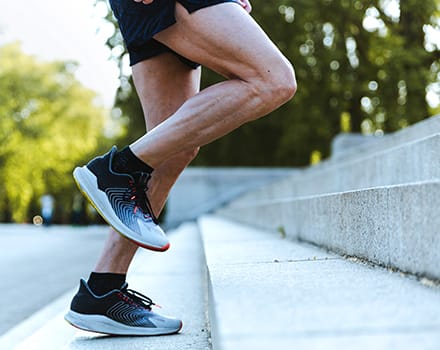
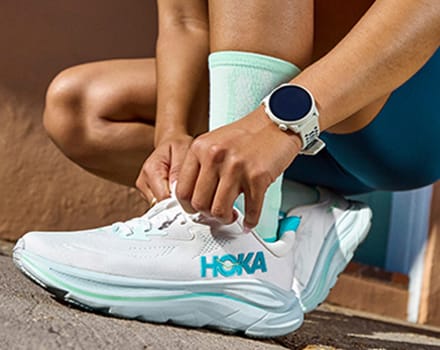
Running shoes are the most important and most expensive part of your running outfit. Unlike sneakers or ordinary sports shoes, they are built to absorb impact and support your foot through thousands of landings per session. What to look at: the cushioning (the softer, the more comfortable over long distances), the fit (about a thumb's width of space in front of your toes, no rubbing at the heel), the weight (lighter shoes run faster) and the drop, the height difference between heel and forefoot. If your foot rolls inwards when you land, you overpronate and there are special stability shoes that correct your foot.
Brands such as HOKA, Brooks and Craft make running shoes in separate men's and women's versions, tuned to the wider forefoot and narrower heel of most women.
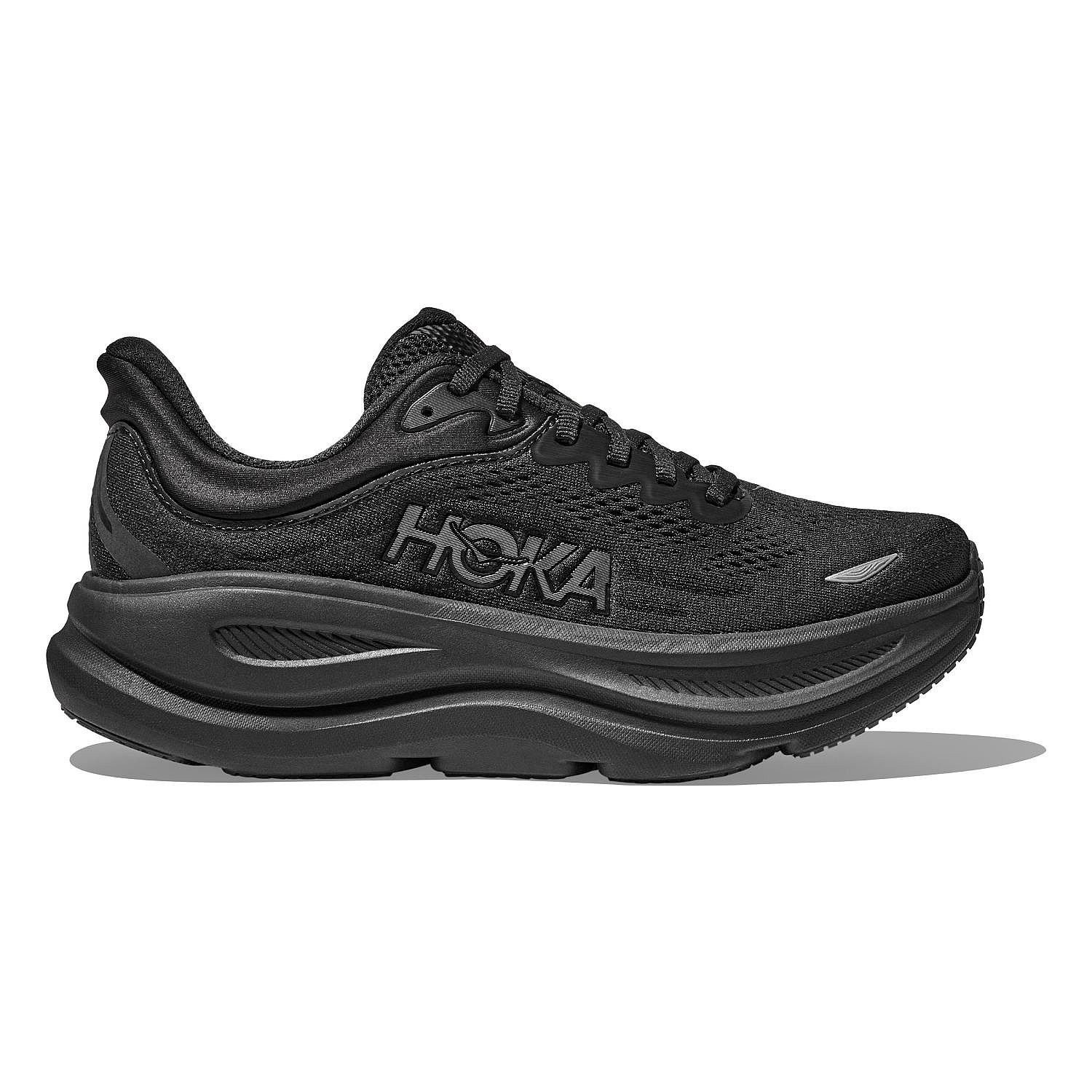
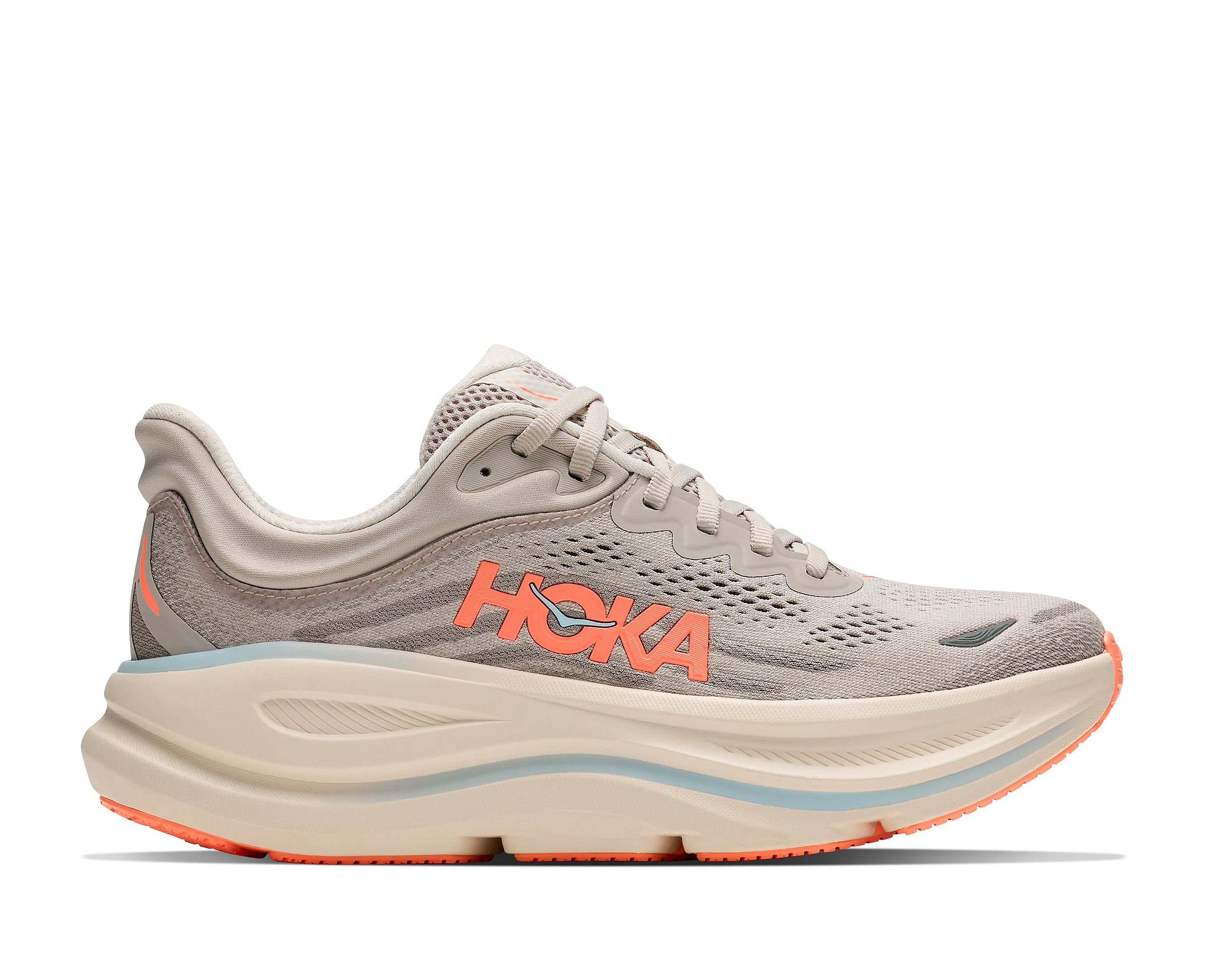
Delivery within 2 – 4 business days
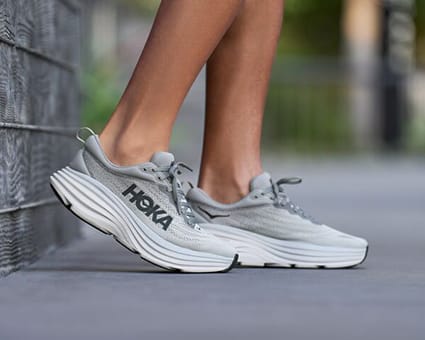
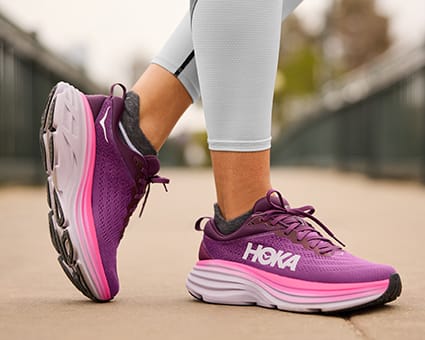
Overpronation? If your foot rolls inwards on landing, choose a stability shoe. The Brooks Adrenaline GTS is the best known in that group: the same cushioning as a neutral shoe, with extra support on the inside of the midfoot.

Delivery within 2 – 5 business days
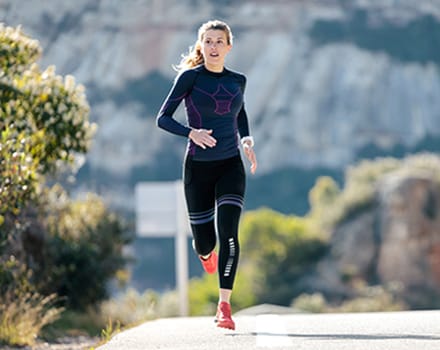
Running socks
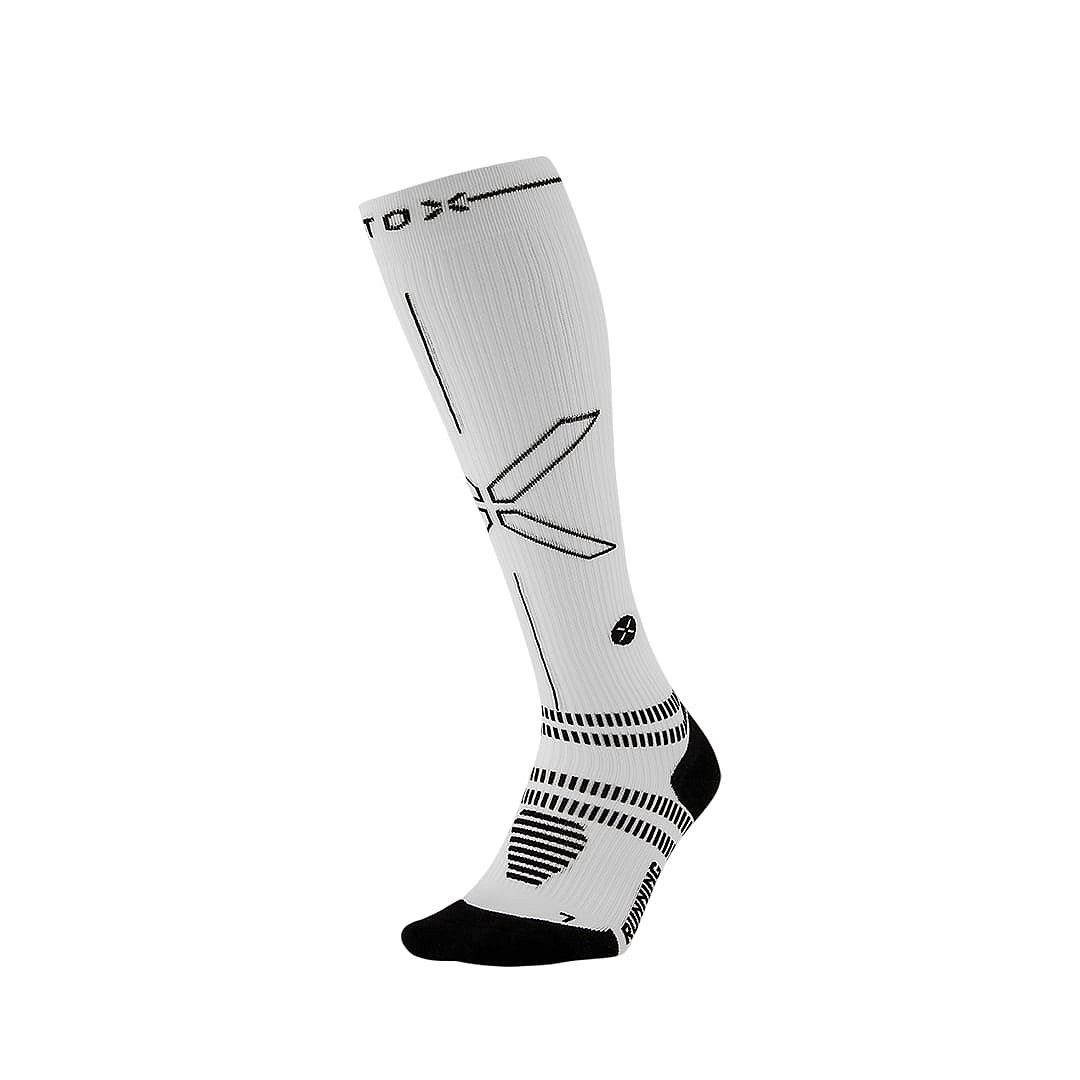
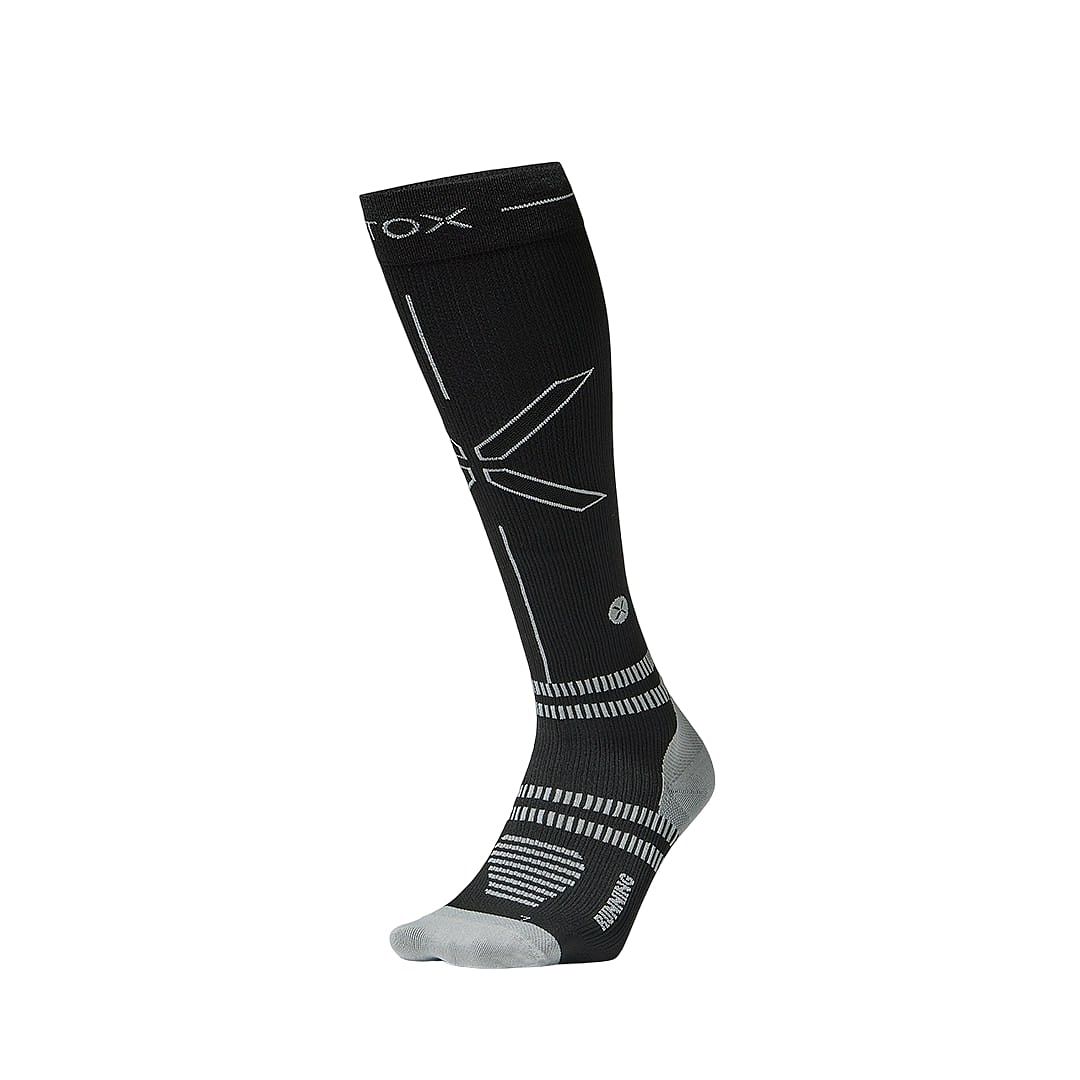
Good running shoes are nothing without good running socks. Ordinary cotton socks hold moisture, get heavy and wet, and cause blisters and athlete's foot. Running socks are made of synthetic fibres or merino wool that wick sweat straight away, have no thick seam at the toes and are reinforced in the right places. Many models, such as those from Stox and Compressport, have extra support around the arch and ankle, which reduces the risk of injury and sprains. Longer socks or compression socks also stimulate blood flow and absorb muscle vibration in your calves. Many running socks are unisex; there are also separate men's and women's sizes.
Running shirt
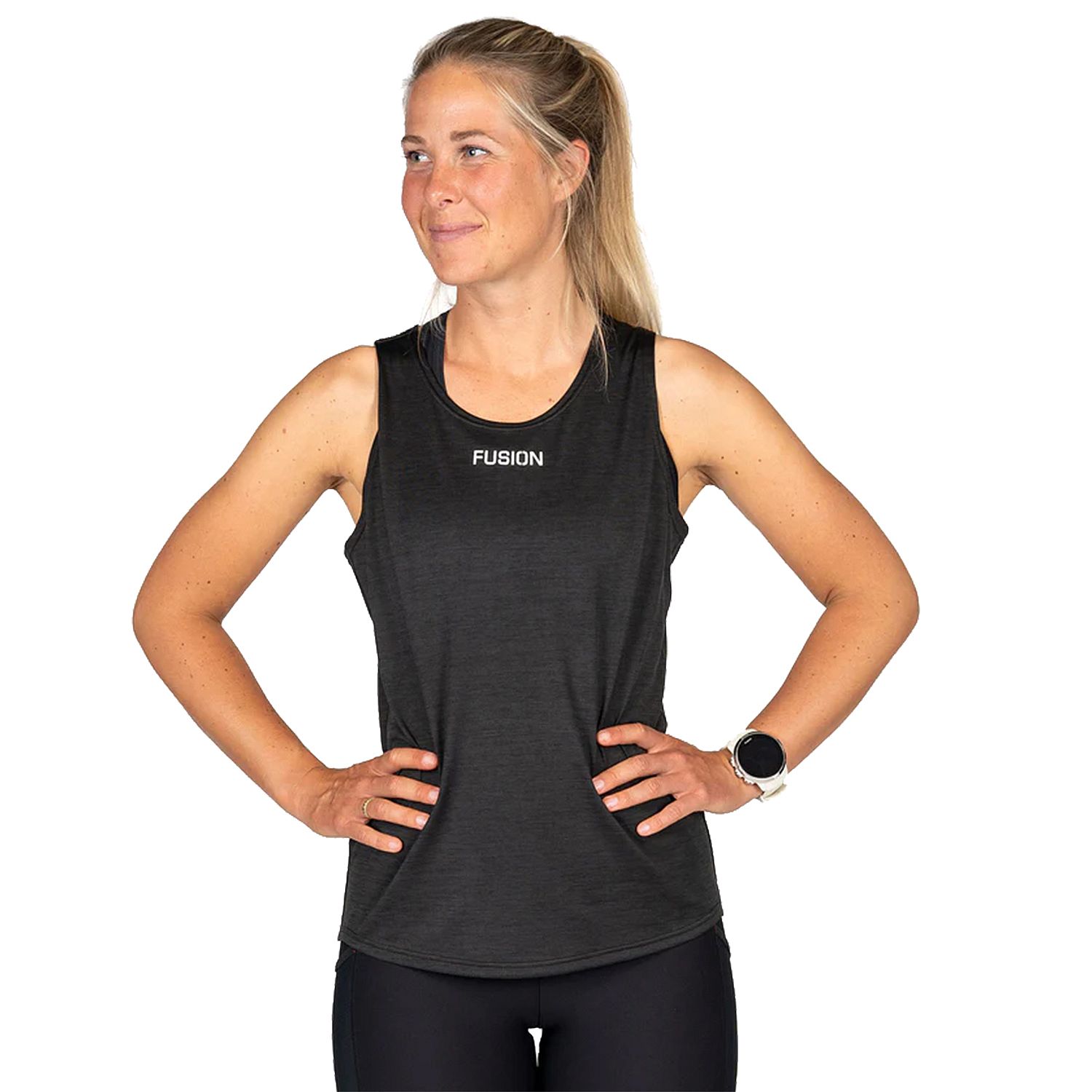
A running shirt is made of breathable, moisture-regulating fabric that wicks sweat away from your skin and keeps you dry and cool. That prevents overheating and chafing, especially on longer runs and in warm weather. A cotton shirt does the opposite: it soaks up sweat, gets heavy and stays wet. Running shirts also have an ergonomic fit and flat seams, so your arms move freely without irritation on your shoulders or armpits.
Which material? Polyester and polyamide wick moisture fastest and dry quickly; that is the standard for shirts, shorts and socks. Merino wool is a little warmer, smells less quickly and is pleasant in winter. Elastane adds stretch. For long distances choose light, seamless or flat-seamed; in summer a light colour and sleeveless or short sleeves. You will find running shirts in our range from Craft, Fusion, Compressport, Odlo and 2XU: sleeveless for extra ventilation, short sleeves for most days and long sleeves for cooler days.

Running shorts
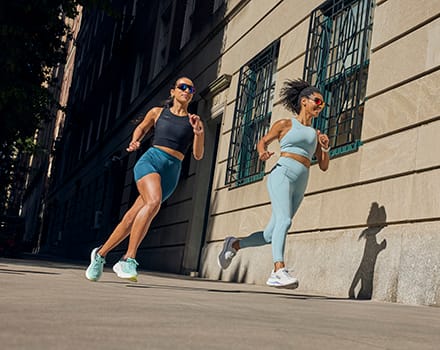
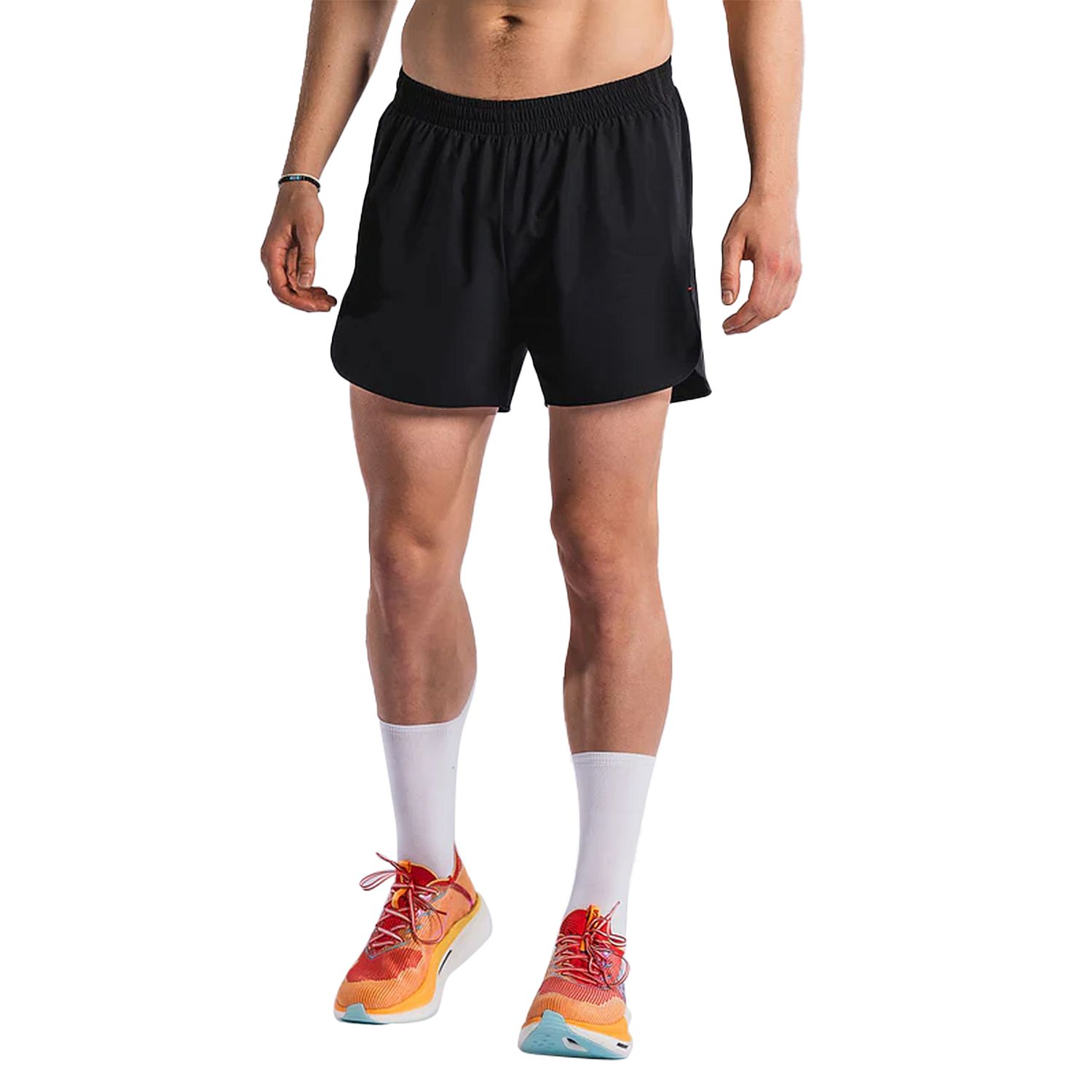
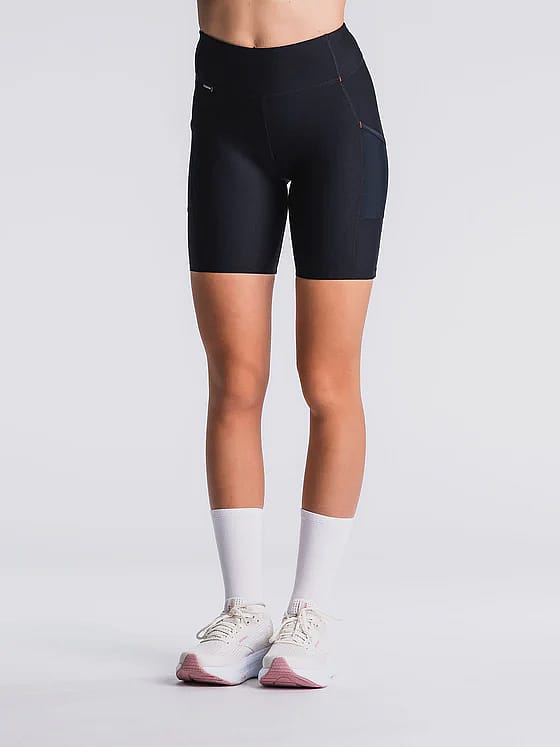
Running shorts are the most comfortable choice on warm days: maximum ventilation and freedom of movement, so your legs stay cool and dry. Choose a model with an inner short (a short tight or a brief) if your thighs chafe; it also gives a little more support. Look for a zip pocket for your key and possibly a phone pocket. Like the shirt, the fabric is light and moisture-wicking, so the shorts feel dry even during hard intervals.
Order before 5:00 PM, delivered tomorrow
Running tights (long running trousers)
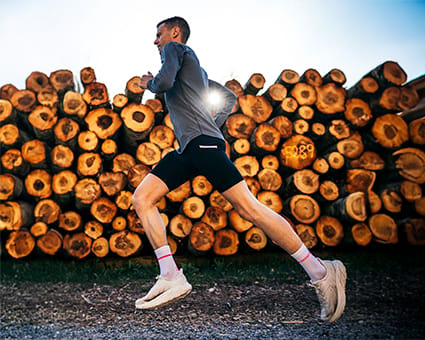
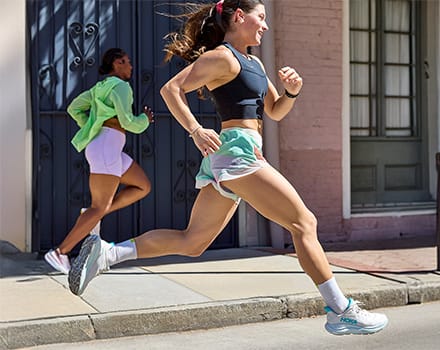
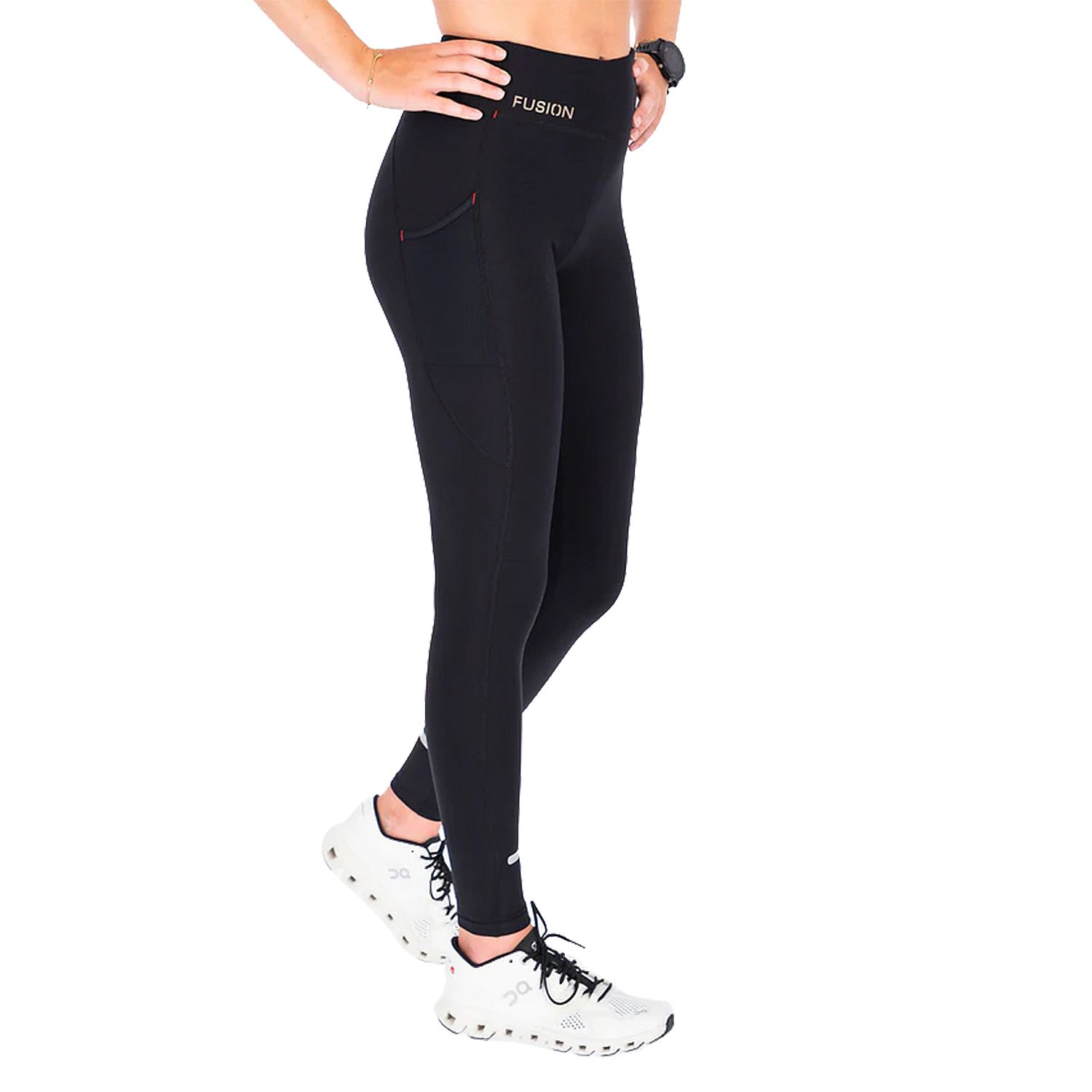
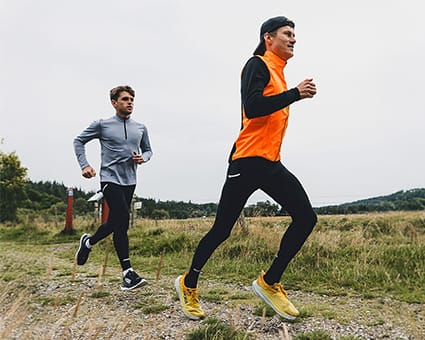
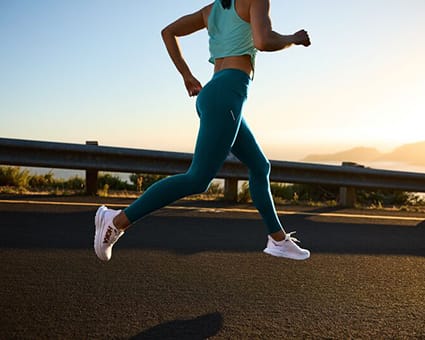
When the temperature drops, running tights, also called running leggings, are ideal. They offer the same breathable and moisture-wicking properties as shorts, but keep your legs warm and protect against wind. Most tights are relatively thin and suitable from autumn to early spring; for really cold days there are models with windstopper material on the thighs or a lightly brushed inside. Reflective details make you visible in the dark. Good to know: many runners wear tights down to about 10 degrees and only switch to a warmer version or an extra layer below that.
Running jacket
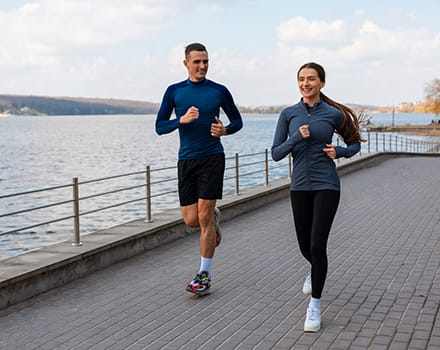
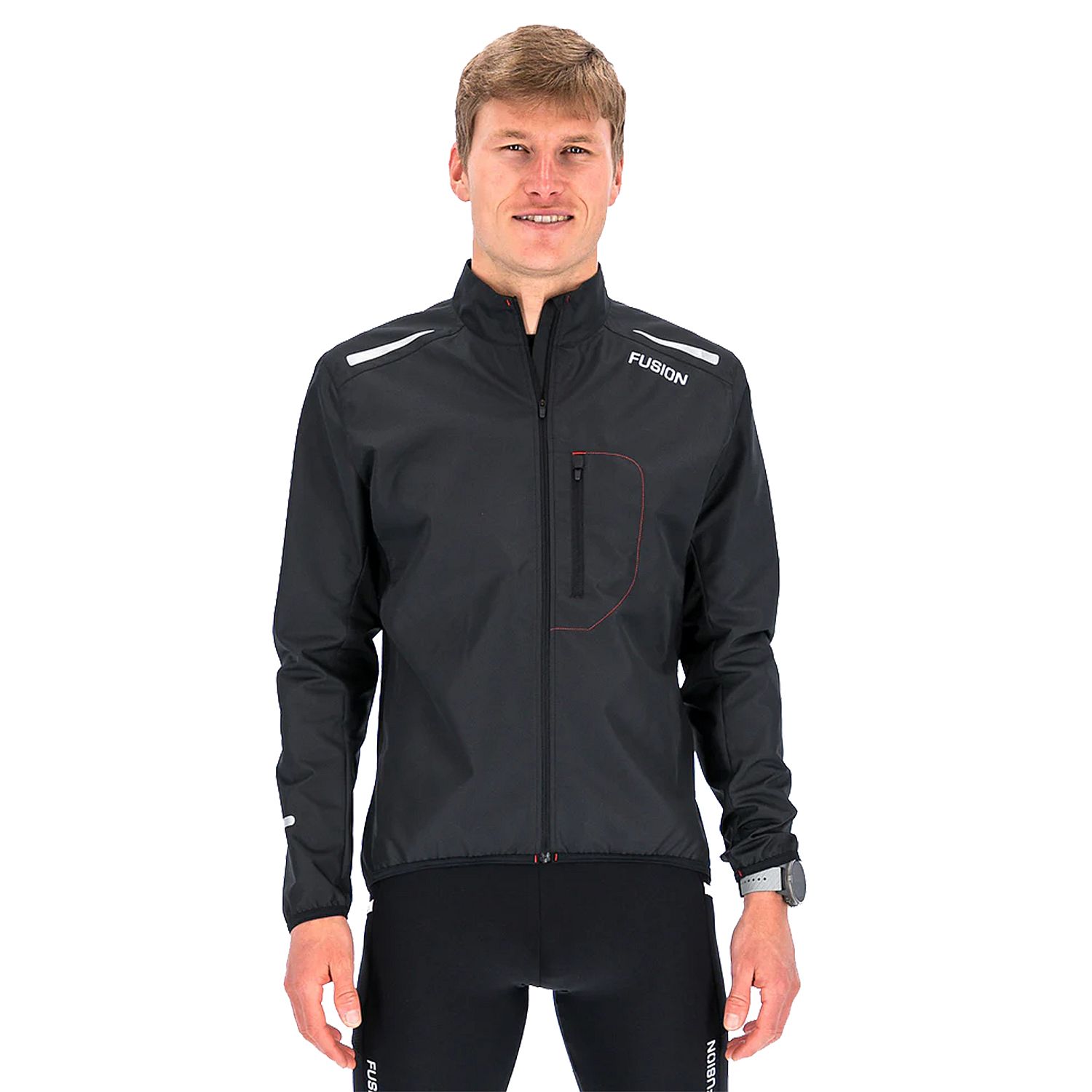
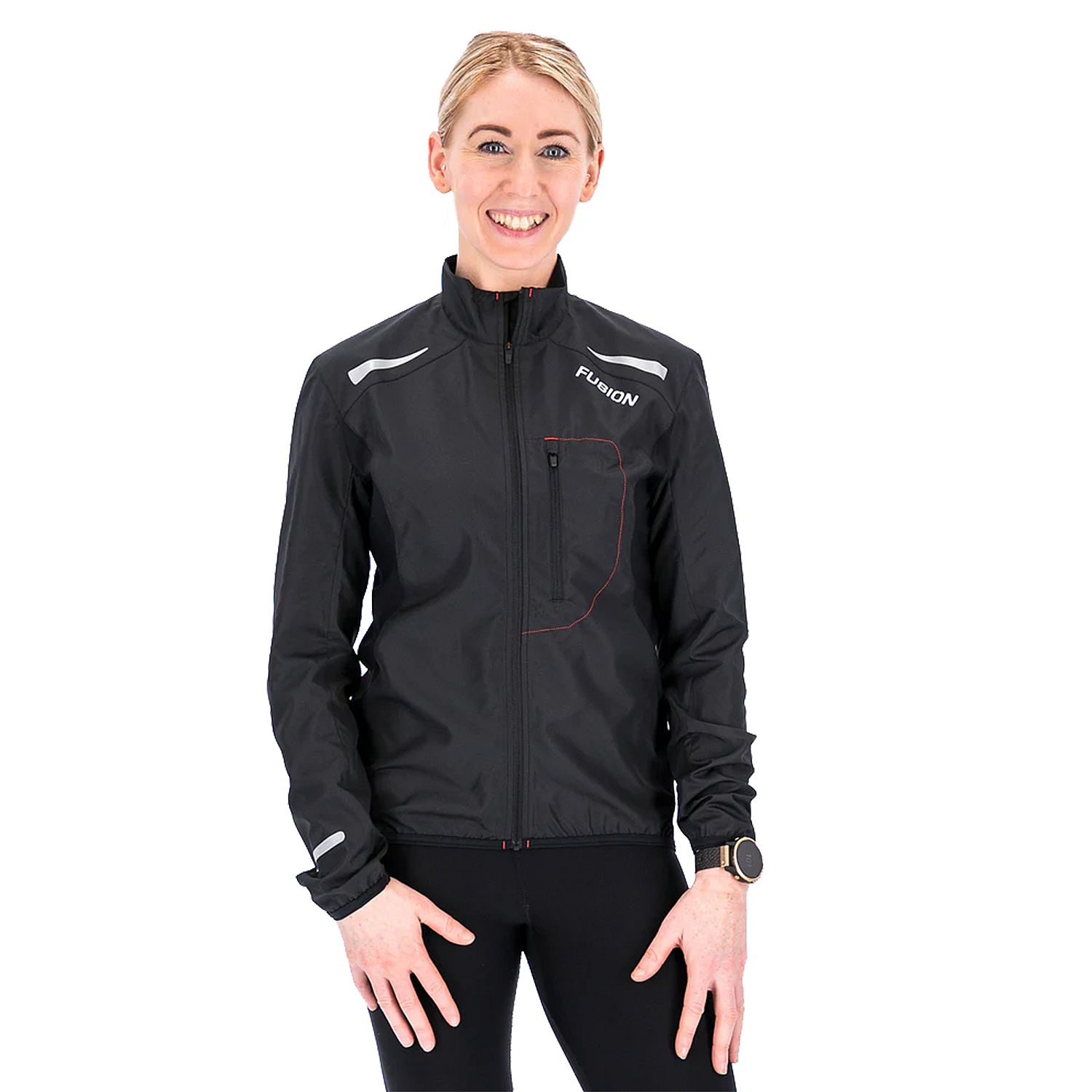
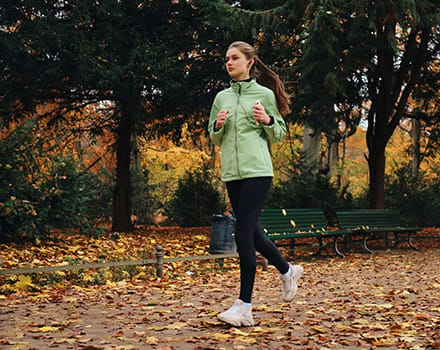
A running jacket is indispensable if you want to keep running all year round. It is made of breathable fabric that wicks sweat while keeping out wind and light rain, so your body temperature stays stable. For autumn and winter choose a long-sleeved jacket, possibly with a water-repellent finish and a hood; on fresh days when a long-sleeved shirt is just not enough, a sleeveless running vest (gilet) that keeps your core warm is sufficient. Reflective details or bright colours make you visible to other road users.

Sports bra
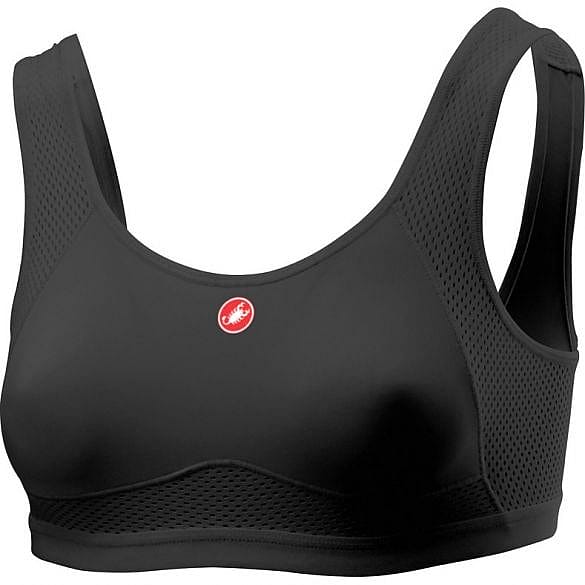
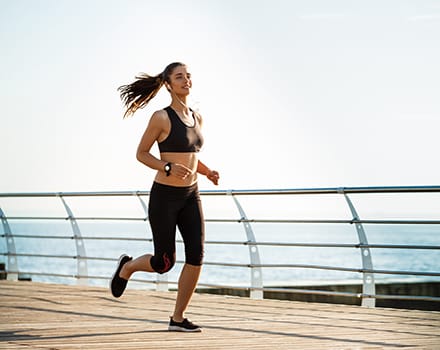
For female runners a good sports bra is as important as good shoes. An everyday bra is made for daily support; when running, your breasts move with every step and because they contain no muscle, they are held in place only by skin and connective tissue. Without proper support that tissue can stretch permanently, and that applies to every cup size, not just larger ones. A high-impact sports bra reduces bounce, prevents pain and takes strain off your back. Look for a wide underband, adjustable straps and breathable fabric.

View everything for running men View everything for running women
Useful running accessories
Beyond the basics there are accessories that make your runs more comfortable, safer and more fun. All the small items, from race number belt to waterproof phone case, are in our running accessories. These are the accessories that most often make the difference.
Cap, hat, headband or neck gaiter
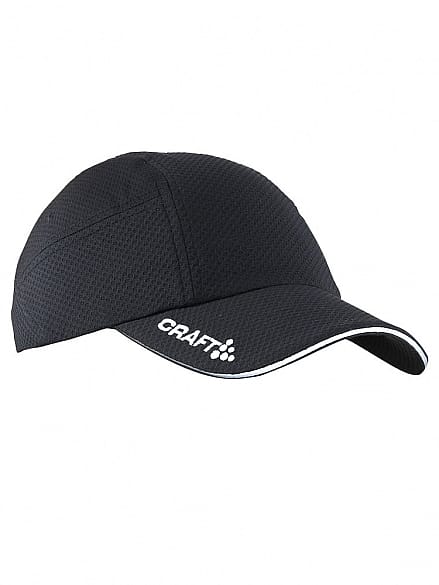
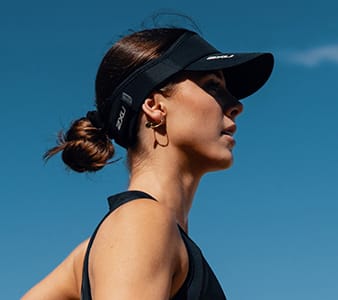
Protecting your head from sun, wind and cold helps you stay comfortable and focused. A running cap or visor keeps sun out of your eyes and sweat out of your face; a headband keeps your ears warm in the in-between seasons; a running hat or beanie is for cold days and a neck gaiter protects your neck, mouth and nose from wind.
Running gloves
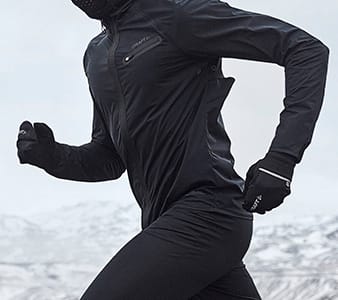
Your hands lose heat quickly, and cold hands cost energy and concentration. Thin running gloves are enough down to about 5 degrees; below that choose a windproof or thermal model, preferably with touchscreen fingertips so you can still operate your phone or watch.
Arm and leg sleeves
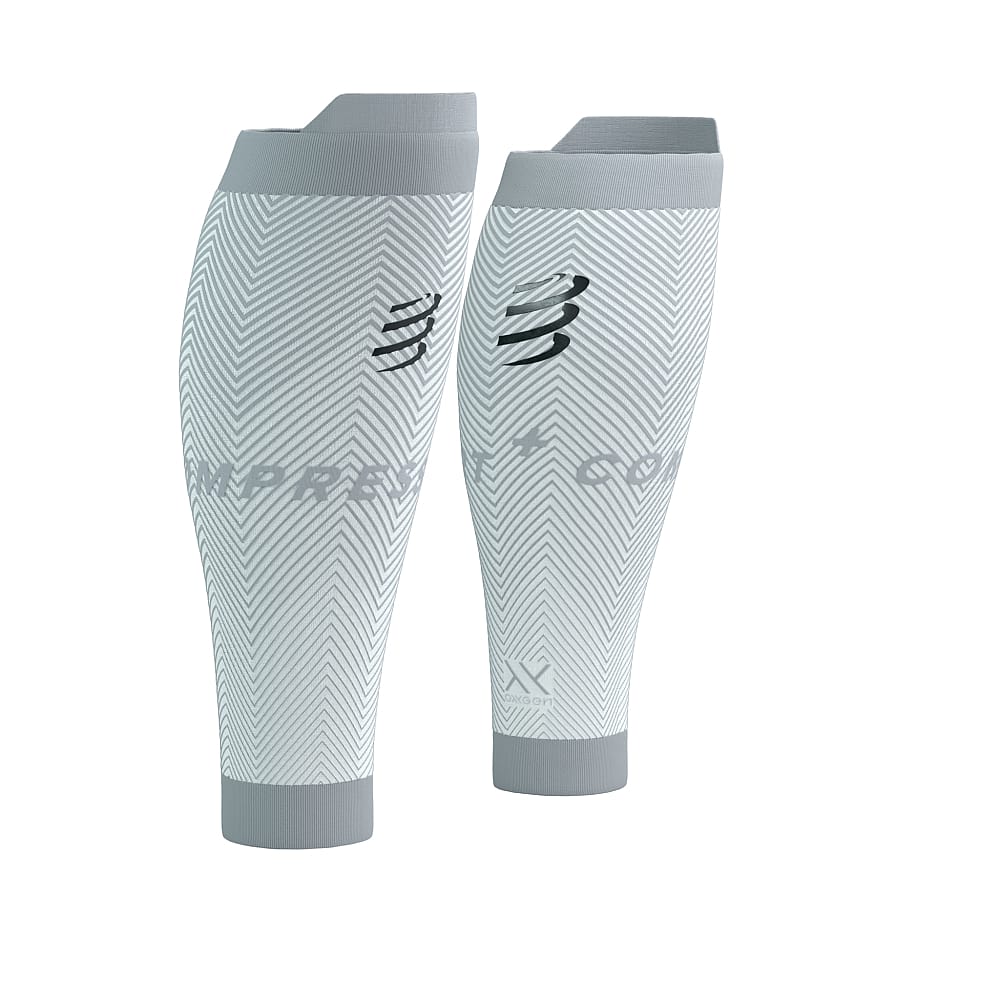
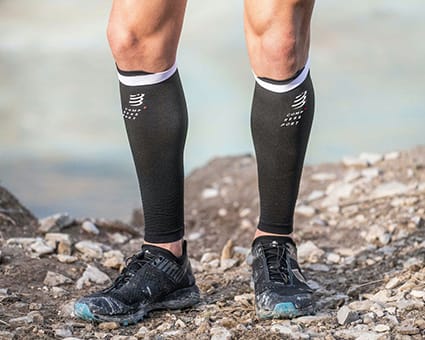
Arm sleeves and leg sleeves are separate "sleeves" you put on and take off without stopping: ideal on days that start cold and end warm. Leg sleeves come in two types: leg warmers from ankle to thigh for warmth, and shorter calf sleeves (tubes) with compression that support your calf muscles.

Delivery within 1 – 2 business days
Lights and reflectors
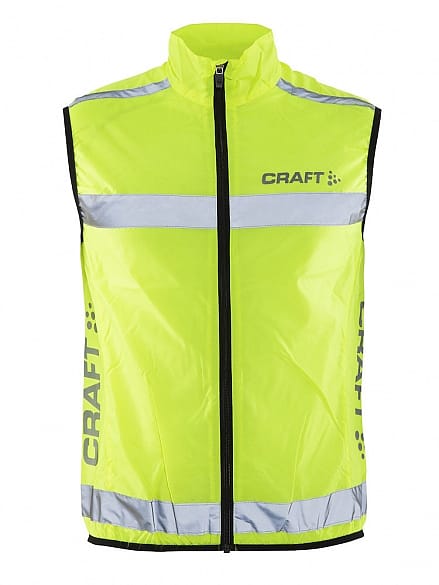
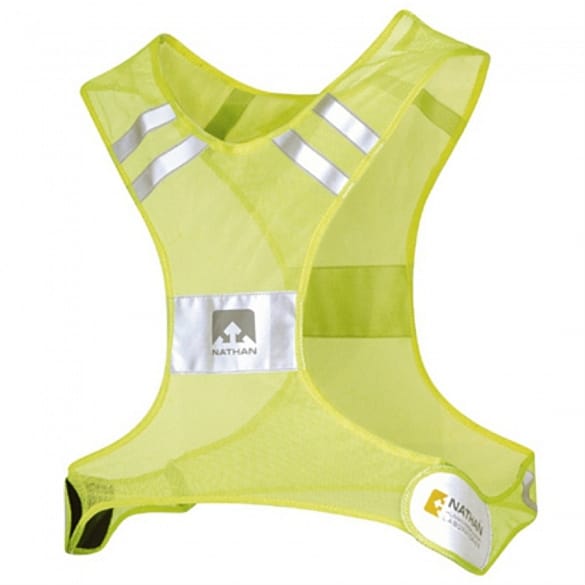
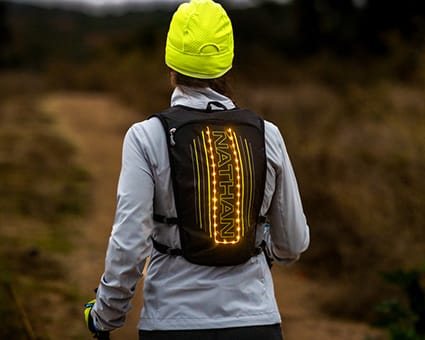
If you run early in the morning or in the evening, you need to be visible to cyclists and cars. Reflective clothing only works when light hits it; an illuminated running vest, an LED armband or a head torch makes you visible from hundreds of metres. Our advice: always choose something that gives off light itself.
Drinking on the go: hydration belt or running backpack
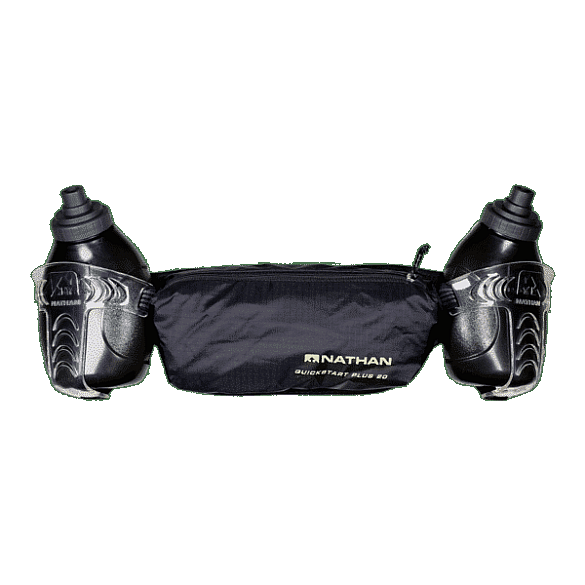
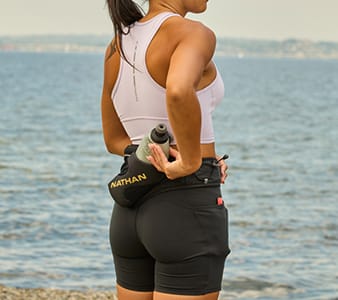
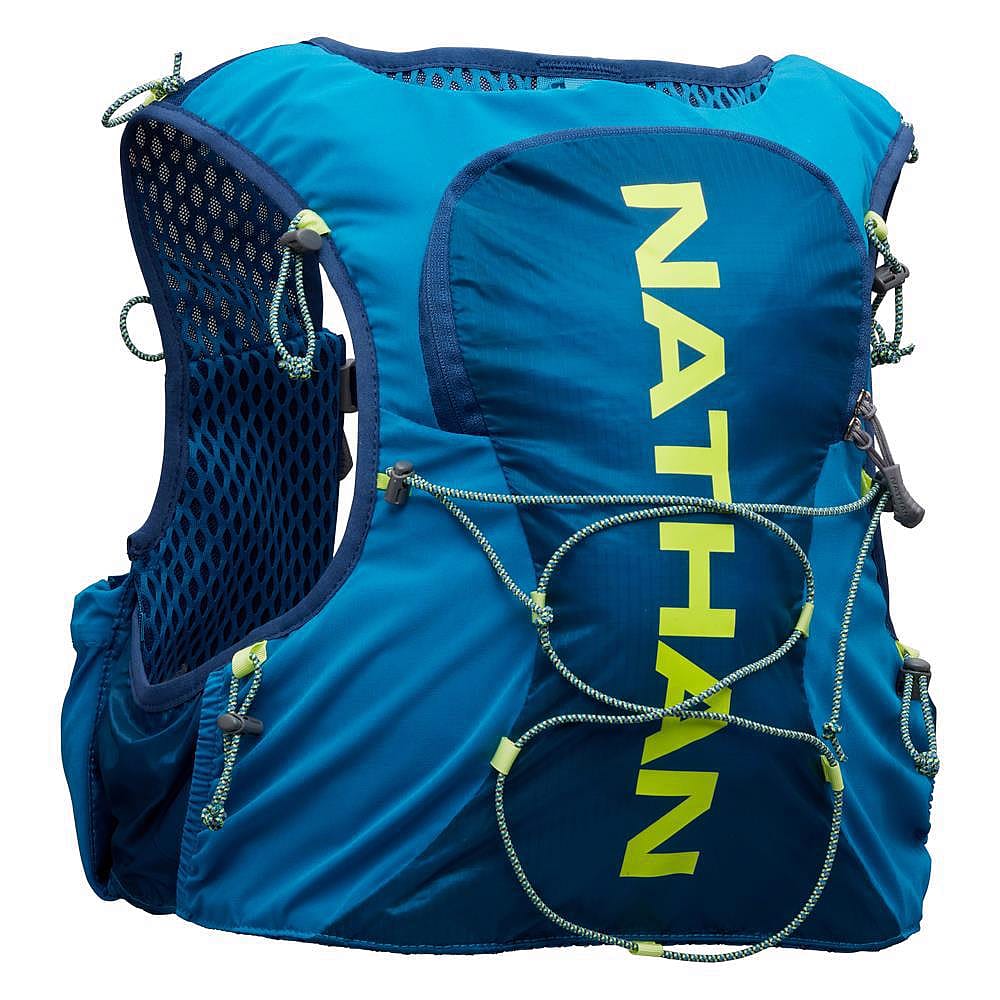
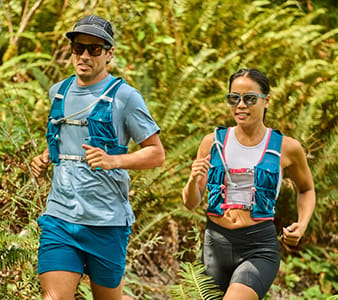
For sessions up to an hour you usually do not need to carry anything; above that you do. A hydration belt with two or four small bottles sits around your waist and is the compact solution. A running backpack with hydration system has a bladder with a hose over the shoulder strap and room for a jacket, phone and nutrition; that is the choice for trail runs and long runs. A single bottle or a waterproof phone case from BTTLNS can be found in the running accessories.
Order before 5:00 PM, delivered tomorrow
Delivery within 2 – 4 business days
Sports headphones
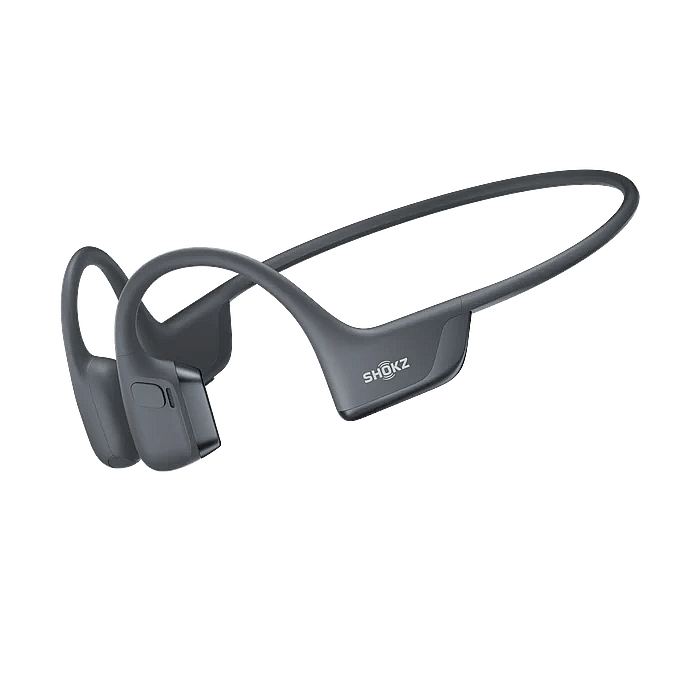
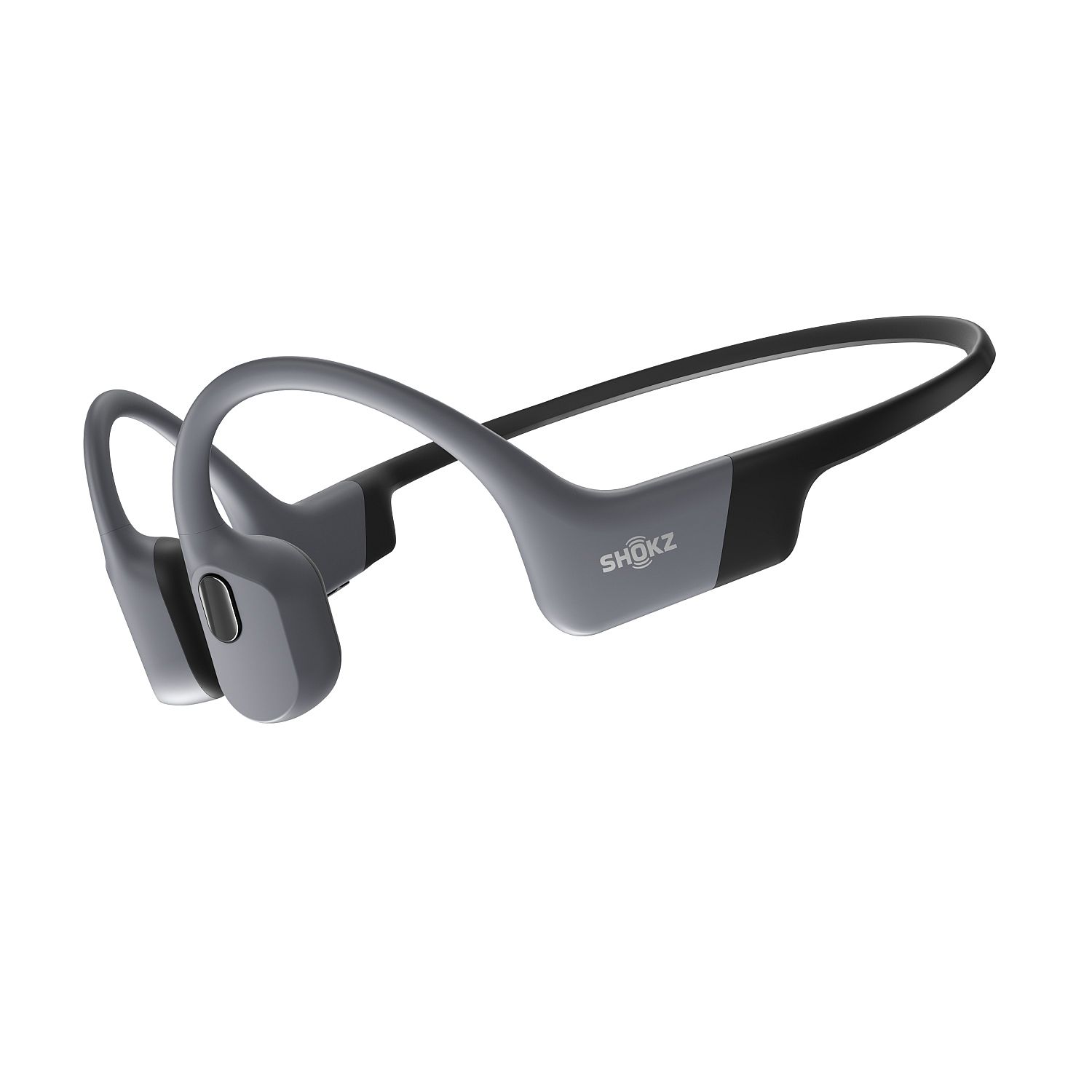
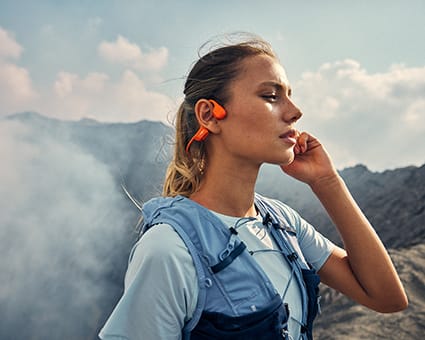
Music or a podcast makes a long run a lot more enjoyable. Sports headphones from Shokz use bone conduction: they do not sit in your ear, so you keep hearing traffic and other runners. They are light, sweat-resistant and stay in place even during intervals.
Sports watch
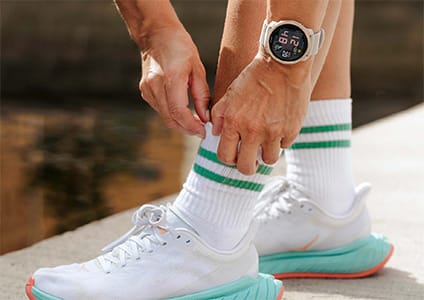
If you want to train with purpose, a sports watch gives you heart rate, pace, distance and cadence during and after every run. For your first months a phone with a running app is enough; once you train to a plan or want to work on pace, a watch with heart rate zones pays off.


Sports nutrition
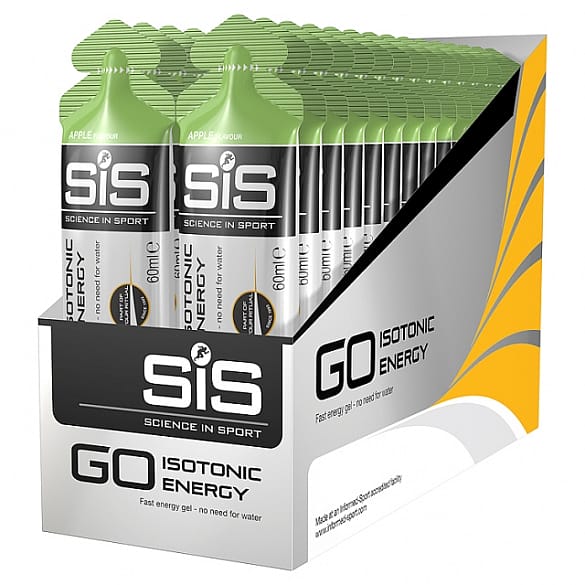
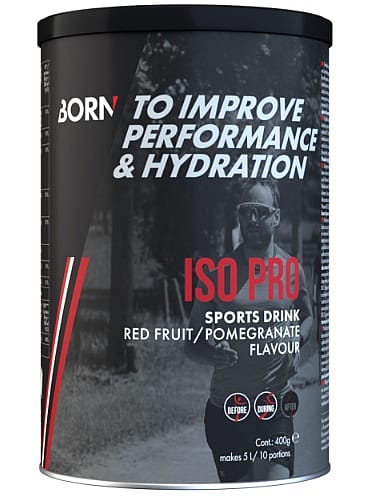
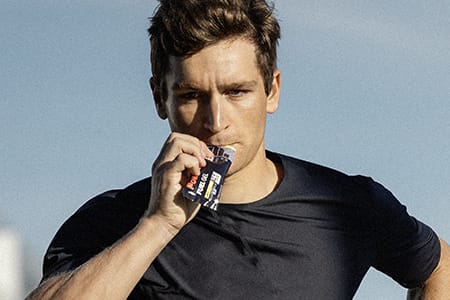
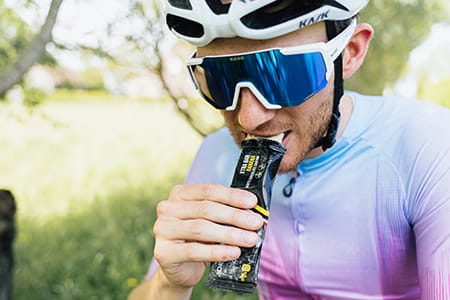
If you run longer than an hour to an hour and a half, your energy stores run out. Energy gels, sports drinks and energy bars are light to carry and deliver energy quickly; bars are also nice after training. Practise with sports nutrition in training, not for the first time on race day.
Order before 5:00 PM, delivered tomorrow


A lap around the block or a race?
A lap around the block before or after work is an excellent way to clear your head and keep your fitness up; half an hour of running already makes a difference. Want more? Then an official race is a great goal: from an accessible 5 or 10 km to a half or full marathon, and for the hardened runners ultramarathons and trail runs. Looking for a unique challenge? Then there is the triathlon, in which you swim, cycle and run.
Frequently asked questions about running clothes and kit
What are the must-haves for running?
Running shoes, running socks, a breathable running shirt and running shorts or tights; for women also a sports bra. Everything else (jacket, cap, lights, hydration belt, watch) is useful but not needed to start.
What is the best running kit for beginners?
Invest first in good running shoes that fit your foot (110 to 150 euros) and keep the rest simple: a shirt from 16 euros, shorts or tights from 37 euros and socks from 15 euros. That way you start for around 200 to 250 euros complete and after a few months you know exactly which extras you miss.
Can I run in ordinary sports shoes?
Once in a while yes, regularly no. Sneakers and fitness shoes lack the cushioning, the firm heel and the flexible forefoot of a running shoe. Those who regularly run in ordinary shoes get shin, knee and heel problems sooner.
Which material is best for running clothes?
Polyester and polyamide: they wick sweat quickly and dry quickly. Merino wool is warmer and smells less, nice for winter. Cotton is unsuitable for running because it holds moisture and then becomes heavy, cold and chafing.
What do you wear for running in the cold?
Run in layers: a moisture-wicking base layer, a long-sleeved shirt over it and a running jacket in wind or rain; tights below, plus a hat and gloves. Rule of thumb: dress as if it were 10 degrees warmer than it is outside, because after a kilometre you will be warm.
Do I need a sports watch to start?
No. A phone with a running app records distance and pace just fine. A sports watch becomes interesting once you train to a plan or by heart rate, or would rather leave your phone at home.
What do you take to a running race?
Broken-in shoes and clothes (never anything new on race day), your race number with a number belt or safety pins, sports nutrition you have tested in training, and warm clothes for after the finish.
Need help choosing your running kit?
Not sure yet which shoes, clothes or accessories suit you? Our running specialists are happy to help. Call +31 85 773 00 58, send us an e-mail or visit our store in Volkel, the Netherlands, where you can try on and test running shoes.