Layering for running in autumn and winter
The sun rises later, the wind cuts across your cheeks and the tarmac is soaking wet. But as a die-hard, you still put on your running shoes. Because if you keep moving, you stay stronger, even in the coldest months of the year.
But let's be honest: running in winter is only enjoyable if you tackle the cold smartly. And that's where the layering principle comes in. By dressing in several layers instead of one thick jumper, you stay warm without overheating. No wet back, no cold fingers, just running comfortably, whatever the weather.
In this blog you'll learn everything about the three-layer system for runners. From functional base layers to breathable jackets, from running gloves to socks that keep your ankles warm: we'll help you on your way.
So… are you ready to tackle your runs with confidence in autumn and winter too? Then let us take you along and discover the perfect layering system, so you'll soon have the perfect running outfit and can handle any challenge.
Why run in layers?
Anyone who heads out for a run in autumn or winter knows: the cold isn't a spoilsport, but it does bring some extra challenges. The solution? Layering. Not just a piece of clothing advice, but a smart strategy that helps your body perform at its best, even in low temperatures, cold wind or a sudden downpour.
Thermoregulation while running
Your body constantly works on thermoregulation, in other words keeping your body temperature at the right level. While running, you produce heat, and sweating cools you down. In summer that's useful. But in winter? Then sweat that isn't wicked away properly can actually cool your body down too quickly, resulting in wet clothing, clammy skin and a greater risk of hypothermia or muscle stiffness.
Why wicking away sweat is so important
The biggest mistake many runners make in winter? Wearing clothing that's too warm and doesn't breathe well. You overheat, start sweating and still end up clammy and cold.
Layers are designed to prevent this problem:
- The base layer wicks sweat directly away from your skin
- The mid layer keeps you warm
- The outer layer protects you from wind, rain and cold
By running in layers, your muscles stay warm, supple and well supplied with blood – which is essential to prevent pain or injuries. This is especially crucial during easy long runs or warm-ups.
More comfort = better performance
Whether you're training for a sprint triathlon or half marathon, or going for a fresh morning run: running comfortably makes a big difference to your performance. You don't have to think about the cold, so you can focus fully on your pace, technique and breathing. And that's exactly why layering is indispensable for every runner in autumn and winter.

What is the three-layer system for running?
The three-layer system is the way to regulate your body temperature optimally while running in autumn or winter. Instead of one thick layer, you wear three functional layers that each have a specific function: wicking away moisture, insulating and protecting.
This method originally comes from the outdoor world, but nowadays it's an essential part of winter running clothing. Why? Because it's flexible, breathable and can be perfectly adapted to the weather and your pace.
How the system is built up:
- Base layer – wicks sweat away from your skin
- Insulating mid layer – retains your body heat
- Outer layer (shell) – protects you from wind, cold and rain
By combining these layers smartly and adapting them to the conditions, you stay dry, warm and comfortable. And that means being able to run longer and better, without cooling down or overheating.
Pro tip: Always dress as if it's around 8 to 10 degrees warmer outside than it actually is. You warm up quickly while running.

The base layer: moisture-wicking underwear
The first and perhaps most important layer when running in cold conditions is the base layer. It sits directly on your skin and has one clear task: wicking sweat away from your body as quickly as possible. That way you stay dry, prevent cooling down and keep your body temperature better balanced.
Why is a good base layer extra important?
While running, you produce a lot of heat and therefore a lot of sweat. If that sweat stays on your skin, as with cotton, you cool down faster as soon as you stop for a moment or the wind gets to your body. That's not only uncomfortable, but also increases the risk of muscle stiffness or injuries.
The right functional base layer:
- Wicks moisture quickly from your skin to the next layer
- Prevents cooling down when you stop or in the wind
- Fits snugly and comfortably, without chafing or irritation
- Breathes well, so you don't overheat
Popular base layer options are:
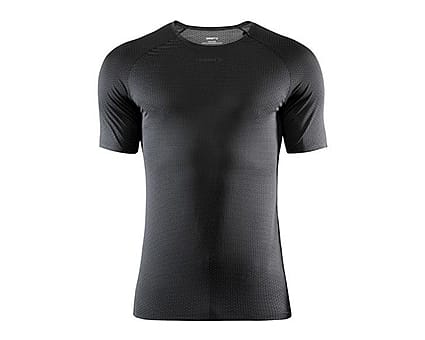
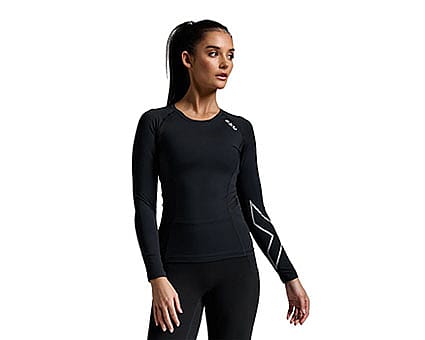
- Thermal shirts with long or short sleeves – ideal at temperatures between 0 and 10 °C
- Sleeveless base layers – perfect as an extra layer or for milder winter days
- Compression shirts or tights – stimulate blood flow and support your muscles
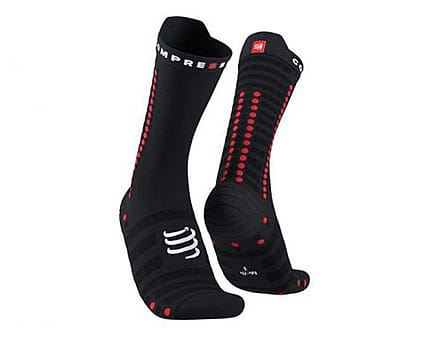
- Moisture-wicking running socks – don't underestimate the importance of dry feet!
Pro tip: Always choose a base layer that fits closely to your body. The better the contact with your skin, the more effective the moisture wicking and insulation.
The mid layer: insulation & retaining warmth
Once you have a good base layer on, the next step is to retain the heat your body produces effectively, without overheating. That's exactly what the mid layer is for. This layer works as an insulating shield between your skin and the outside world.
What exactly does the mid layer do?
The mid layer captures the body heat you generate while running and keeps it close to your body. At the same time, this layer must be breathable enough to transport excess heat and moisture further outwards. That way you stay warm and it doesn't feel clammy.
An effective mid layer:
- Insulates without stifling
- Lets moisture through to the outer layer
- Provides thermal comfort at low temperatures
Which garments are suitable as a mid layer?
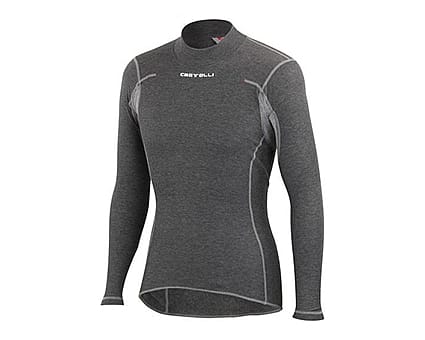
- Long sleeves made from technical fabric: think of thermal shirts or sporty zip-up tops.
- Light fleeces or midlayers: perfect for extra insulation on extremely cold days or at a low intensity.
Pro tip: Are you a runner who warms up quickly? Then choose a mid layer with ventilation zips or mesh panels. That way you can easily regulate your temperature yourself.
The outer layer: protection against wind & rain
Wind that cuts straight through your clothing. Wet, cold raindrops that chill your body. If you've ever run in autumn or winter without a good outer layer, you know exactly how unpleasant that can be. The outer layer is therefore your first line of defence against the elements.
Why a good outer layer is indispensable
While running, your body produces heat and sweat. But cold wind and rain make you lose that heat very quickly, which can lead to cooling down and even injuries.
A good outer layer:
- Keeps the wind out (windproof)
- Lets excess heat and sweat escape (breathable)
- Offers protection against rain (water-repellent or waterproof)
It's all about the balance between protection and ventilation. Because a jacket that keeps you dry but makes you overheat ultimately does more harm than good.
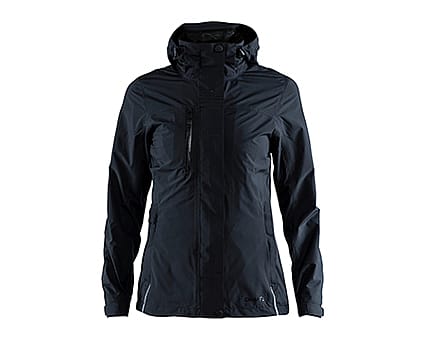
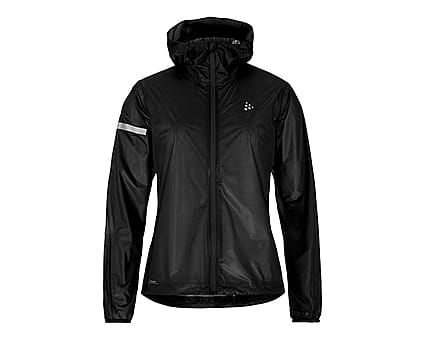
Softshell, hardshell or water-repellent – what do you choose?
| Type | Features | Best choice for |
|---|---|---|
| Softshell | Light, breathable, water-repellent, flexible | Dry or slightly wet conditions, interval training |
| Hardshell | Fully waterproof and windproof, less breathable | Heavy rain, long runs in bad weather |
| Water-repellent jacket | Keeps out light rain, very breathable, often lighter | Changeable weather, when rain isn't guaranteed |
Extra winter gear: don't forget these accessories
You can wear the best jacket or technical shirt, but if your fingers freeze or a cold wind whistles past your ears, the fun of running soon disappears. It's precisely your extremities that lose heat quickly. That's why the right accessories aren't a luxury, but a must for anyone who wants to keep running comfortably in the cold.
Gloves – extra protection for your fingers against icy cold
Your hands are full of small blood vessels and lose heat quickly. Cold hands aren't just uncomfortable, they also hamper your focus and coordination while running.
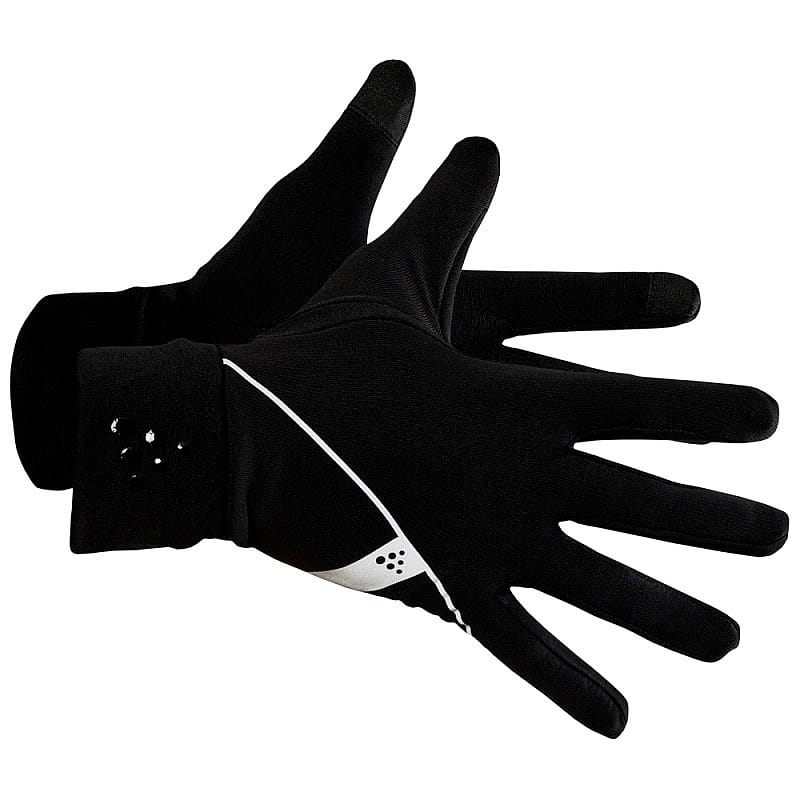
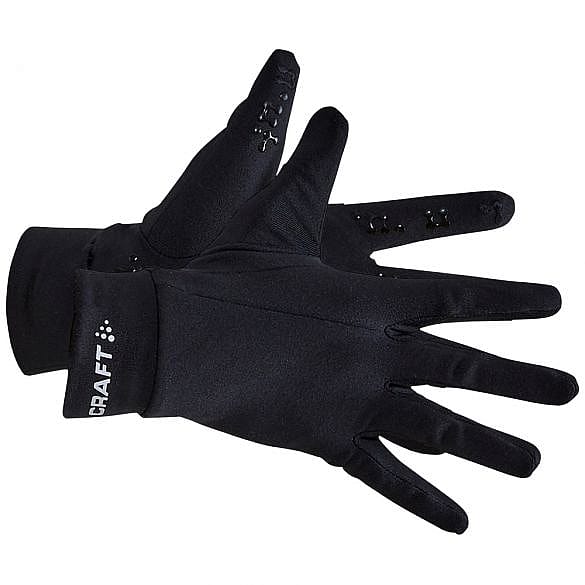
We can recommend these gloves for the cooler and colder days:
- Thin, breathable gloves – ideal for temperatures above freezing
- Thermal running gloves – with insulation and possibly a windproof outer layer
- Gloves with touchscreen fingertips – handy for using your watch or smartphone on the go
Beanies & headbands – prevent heat loss through your head
You lose up to 10% of your body heat through your head. A good beanie or thermal headband protects your ears and prevents cooling down, especially in wind or at temperatures below 5 °C.
- Thin thermal beanie – fits easily under a hood or rain jacket
- Sporty headband – ideal in mild cold or if you sweat quickly
Neck warmer (snood) – extra protection in wind and freezing cold
A snood or buff is a versatile accessory that you can wear around your neck, over your chin or even over your mouth and nose. Perfect against biting wind or when your throat is extra sensitive to the cold.
Warm running socks – dry feet, warm toes
Your feet are crucial when running. Cold, wet feet quickly lead to blisters or painful toes. So choose technical socks that retain heat and wick moisture away well.
- Merino wool running socks – naturally warm, antibacterial and breathable
- Moisture-wicking winter running socks – with reinforcement around the toes and heels
Pro tip: Invest in quality accessories. They may seem small, but they make a big difference to your comfort and performance during cold training runs.
Delivery within 1 – 2 business days
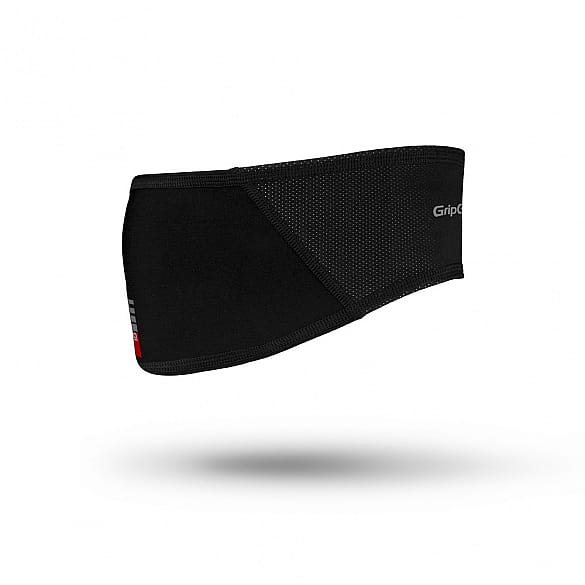
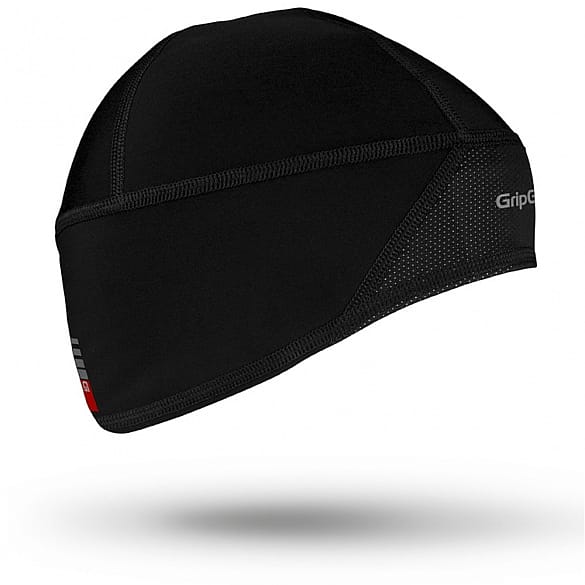
A beanie or headband – how to prevent heat loss through your head
Did you know that you lose up to 10% of your body heat through your head? A good beanie or headband therefore makes a world of difference, especially on really cold days.
Choose:
- A light, breathable running beanie in freezing weather
- A headband if you want to protect your ears but overheat quickly
- A cap with fleece lining for wet or windy days
We can recommend this headwear for the cooler and colder days:
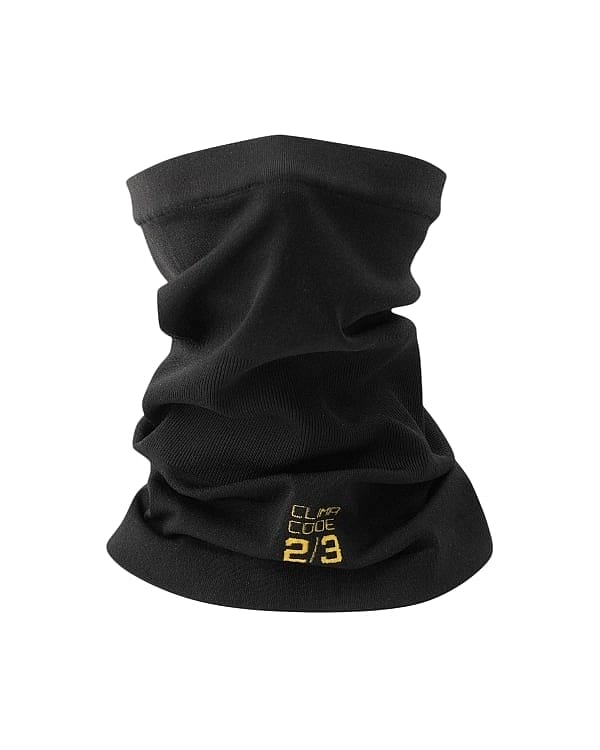
Neck warmer (snood) – protect your neck and throat from the cold
A snood or neck warmer keeps draughts out of your jacket and protects your throat and airways from cold air. Ideal for long runs or when it's windy. Many models are versatile in use:
- As a scarf
- As a face cover in icy wind
- As a headband or balaclava
We can recommend these neck warmers for the cooler and colder days.

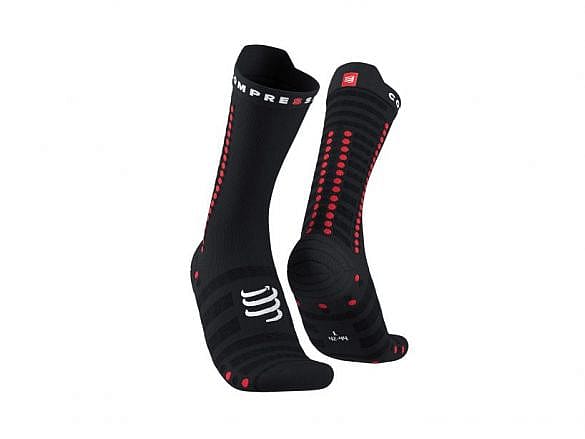
Running socks: comfort starts with your feet
Above all, don't forget your feet. Wet or cold toes make even a short run unpleasant. Good running socks offer you:
- Extra insulation without overheating
- Moisture management to prevent blisters
- Compression for better circulation (optional)
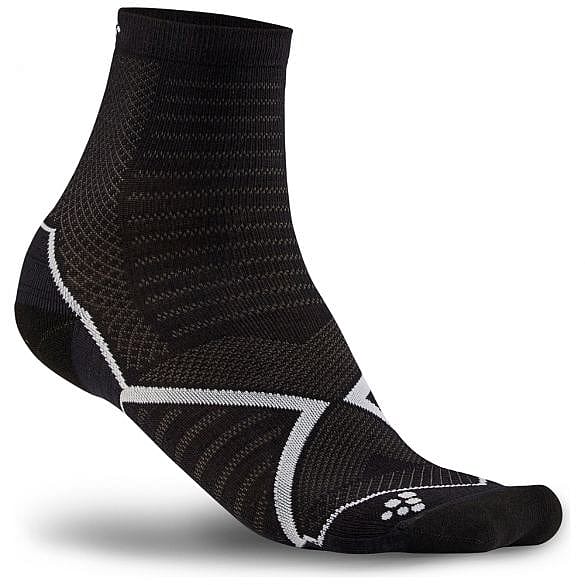
We can recommend these running socks for the cooler and colder days.
Delivery within 1 – 2 business days

Delivery within 1 – 2 business days
Safety & visibility on dark days
Autumn and winter don't just bring cold, but also shorter days, grey mornings and dusky evenings. As a runner, you're extra vulnerable on the road. You're simply seen less quickly by drivers, cyclists and other road users.
That's why visibility is just as important as warmth in these months. Fortunately, with smart clothing choices and handy accessories you can stay safe and visible, without having to compromise on comfort or performance.
Reflective details: for extra visibility
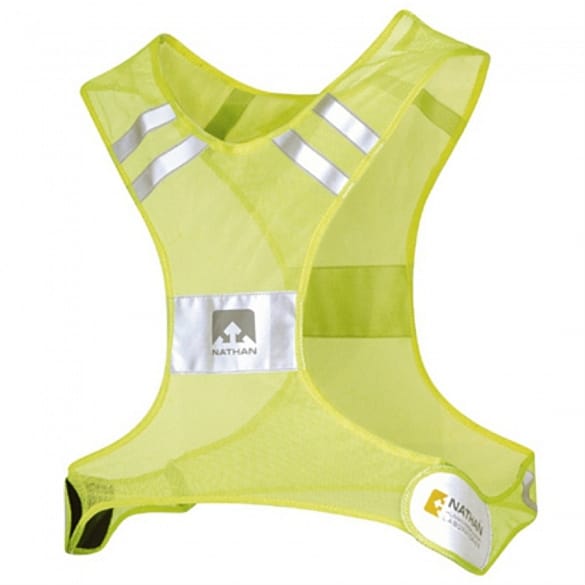
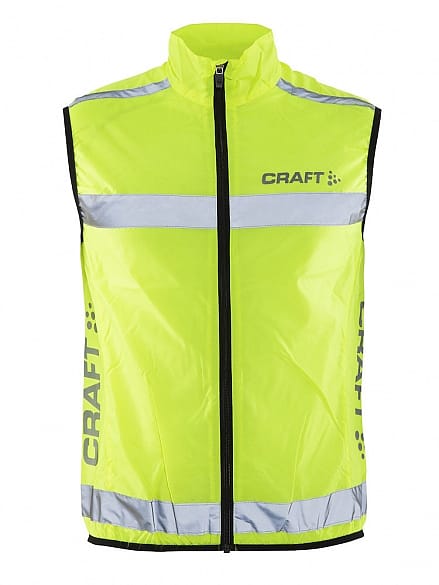
Choose running clothing with strategically placed reflective elements. Think of reflective details on your sleeves, back, lower legs or shoes. These reflect light from headlights and street lighting, so you stand out immediately in the dark or in fog.
Please note:
- Reflection is only visible when light shines directly on it
- Always combine passive reflection with active lighting for maximum safety
Active lighting: be seen even better
For running at dusk or in the dark, light-emitting accessories are indispensable. Think of:
- LED armbands: brightly coloured and flashing
- Clip-ons: easy to attach to clothing or shoes
- Reflective jackets with integrated lighting
- Head torches: for extra visibility on dark paths or trails
Choose lights with several modes (continuous/flashing).
Tips for rain, fog or dusk
Poor visibility due to fog, rain or a low sun calls for extra alertness. These tips help you get home safely:
- Avoid dark clothing without reflective details
- Wear bright colours or fluorescent accents
- Run facing the traffic on the road (if there's no pavement)
- Use lights with a wide beam in foggy conditions
- Choose a lit route and – even better – bring your own lights
What to wear at each temperature: handy guidelines
What you wear for running in autumn or winter doesn't just depend on the thermometer. Wind chill, wind, rain and training intensity all play a role in how you build up your clothing smartly. Fortunately, you don't have to guess: with the guidelines below you'll always make the right choice.
What do you wear at which temperature?


Example combinations for different weather
Now that you know how to dress in layers and which mistakes to avoid, it's time for some concrete examples. Below you'll find three common winter running conditions, each with an ideal clothing combination. That way you can see at a glance what you need and easily combine the right products in our webshop.
Scenario 1: 5°C, wet & windy
A typical autumn or winter day: cold, wet and a moderate breeze (force 4). In this scenario, protect yourself against rain and wind without overheating.
Recommended combination:
- Base layer: long-sleeved thermal shirt (quick-drying)
- Mid layer: breathable long sleeve or light fleece
- Outer layer: water-repellent & windproof running jacket (possibly with a hood)
- Lower body: insulated long running tights
- Accessories: windproof gloves, reflective beanie, snood
- Safety: LED vest, reflective details on clothing
Scenario 2: -3°C and dry
Freezing cold, but clear weather: the air is dry and there's no precipitation. The main risk here is cooling down due to the low wind chill.
Recommended combination:
- Base layer: thermal shirt with a high collar
- Mid layer: warm fleece or insulating long sleeve
- Outer layer: windproof softshell (breathable, no rain protection needed)
- Lower body: lined winter tights or thermal tights
- Accessories: thick gloves, warm beanie, snood
- Socks: merino running socks for extra warmth
Scenario 3: 10°C with a strong wind
This is when you can easily overdress. The temperature seems mild, but wind can make it treacherously cold. Here, the breathability of your clothing counts double.
Recommended combination:
- Base layer: light thermal shirt or technical short-sleeved shirt
- Mid layer: thin long sleeve or gilet
- Outer layer: ultralight windbreaker (without fleece lining)
- Lower body: long tights or ¾ tights (depending on how you feel)
- Accessories: headband or cap, light gloves
- Extra tip: wear layers that you can easily take off during your run

Conclusion
Autumn and winter don't have to be a reason to leave your running shoes in the cupboard. On the contrary: with the right layered clothing, running in the cold becomes comfortable, effective and even a real pleasure. You now know how to build up your outfit smartly, from base layer to outer layer, with attention to insulation, breathability and protection against the elements.
By matching your clothing to the temperature, the type of training and the weather conditions, you stay warm without overheating, and visible without being restricted in your movement. No wet clothing, no cold fingers, no distractions – just you, your rhythm and the road ahead. Don't let the weather be an excuse, but a motivation. Because if you prepare well, you'll always run with confidence, whatever the season.
Also worth reading