


Swimming safely in open water
Swimming in open water offers you a unique experience that you won't get in an indoor pool. The freedom and challenge make open water extra fun, but it also comes with risks you don't encounter in the pool. Whether you're training for your first (or next) triathlon or simply want to improve your swimming skills, your safety should always come first. Poor preparation, unexpected currents, temperature differences and limited visibility can be dangerous. That's why it's important to prepare well. In this blog I share 10 tips to help you enter open water safely, so you can fully enjoy this wonderful experience. Let's go through the tips.
In this blog with 10 tips for safe open water swimming
Wear highly visible swim gear
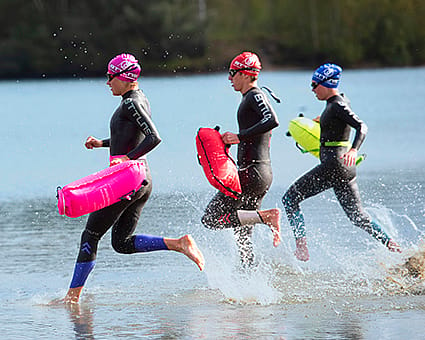
Wearing highly visible swim gear is incredibly important to ensure your safety in open water. After all, the only visible part of your body in the water is your head, and your arm with every stroke. That's why wearing a brightly coloured swim cap, such as yellow, orange or pink, makes you stand out to boats, kayaks and other swimmers. This is especially desirable in busier waters or when visibility is poor.
In combination with your eye-catching swim cap, you can also use a high-visibility swim buoy. Not only does it make you more visible in the water, it's also an essential aid you can rest on briefly if you get tired or have a cramp, for example. You attach the swim buoy around your waist with a cord, and it floats behind you without getting in your way.
Match your swimwear to the water temperature
If you'd like to keep swimming when it gets a bit cooler, it's important to match your swimwear to the water temperature. In the height of summer, when the sun is shining, you can usually swim perfectly well in swim trunks or a swimsuit. But when it gets colder, extra warmth is very welcome.
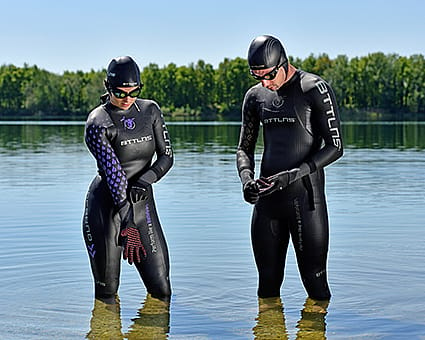
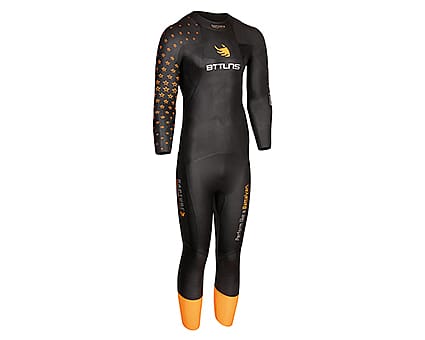
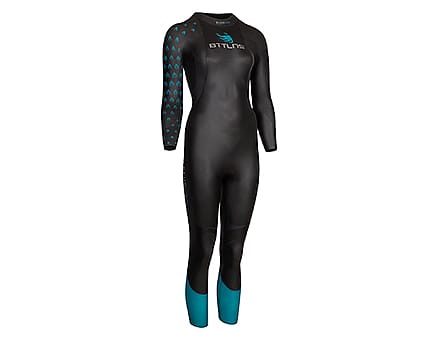
To better withstand the colder water, you can opt for a wetsuit. A wetsuit is made of neoprene and covers almost your entire body. Thanks to the unique properties of neoprene, part of your body heat is retained. In addition, there is always a very thin layer of water between your wetsuit and your body. This layer of water is warmed up by your body, which provides insulation. Read here what to look for when choosing your new wetsuit.
Is it getting even colder, and are you a true die-hard who wants to keep training and swimming? Then you can protect your body even better with neoprene swim gloves, neoprene swim socks and a neoprene swim cap. These parts of your body lose heat the fastest. By wearing this extra gear, you make sure your hands, feet and head are better protected against the cold water.
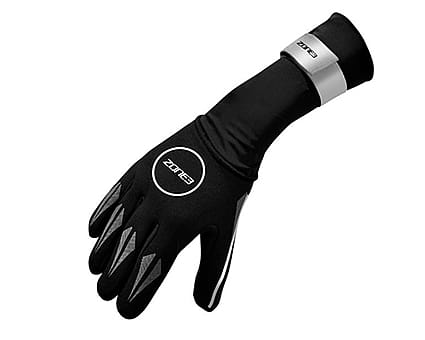
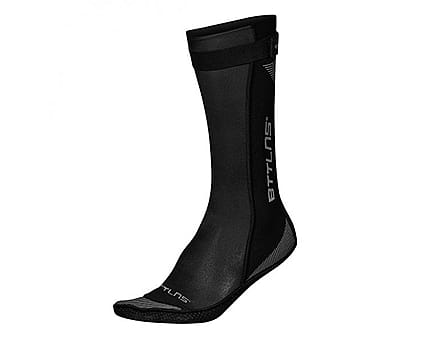
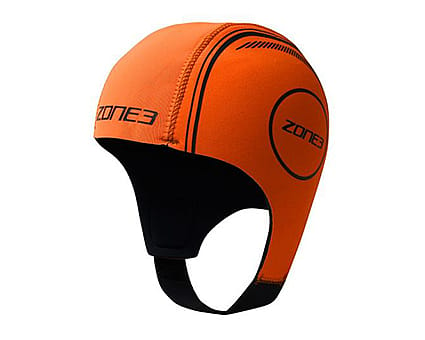
Looking for more tips for swimming in colder water? Then also read our blog with tips for braving colder water.
Extra tip: did you know that the Dutch government has a special website with the current water temperatures in the Netherlands? This lets you quickly check the temperature and decide for yourself which swimwear and accessories to use.
Never swim alone
Another important tip: never swim alone in open water, regardless of your level of experience. Whether you're an experienced swimmer or just starting out, it's always wise to bring someone you know for your own safety. In an emergency, such as cramp or hypothermia from the water, your swim buddy can help you right away. Swimming together is not only much safer, but also a lot more fun. And of course, don't either of you forget to bring your high-visibility swim buoy: it remains a handy aid to rest on in an emergency.

Check the water quality
Before you go for a swim, it's important to check the water quality first. Not all water is suitable for swimming, and swimming in poor-quality water can cause serious health problems. Think, for example, of blue-green algae or faecal bacteria, which can cause skin irritation, stomach and intestinal complaints and headaches.
You can hardly see with the naked eye whether the water is polluted. In the Netherlands, there is a very handy website called zwemwater.nl where you can check the water quality at the location you want. The water is checked in cooperation with Rijkswaterstaat and the provinces, so you know exactly which locations are safe to swim in and which aren't. Swimming abroad? Check the local authorities' bathing water information.
Know the weather conditions
Swimming is most pleasant in good weather, as conditions are then often more favourable and calmer. The water is usually calmer and there may be less current. Want to train in the sea? Then it's important to pay attention to the flags: green means it's safe, orange means you need to be careful and red means danger. In bright sunshine, you can also use swimming goggles with dark or mirrored lenses. These protect your eyes from the bright reflection of the sun on the water.
In bad weather, swimming is not recommended, as there are other and more risks to take into account. Colder water puts more strain on your body. It's also important not to jump into cold water all at once: your body needs to get used to it gradually. If you still want to swim in colder water, follow the tips above extra carefully and avoid dangerous situations.
Do a proper warm-up
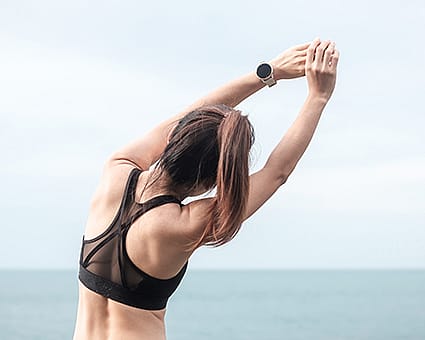
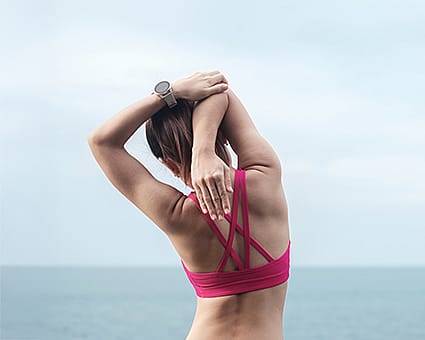
A good warm-up is important before you get into the water, especially because your body needs to get used to and adapt to the water gradually. By warming up your muscles properly, you reduce the risk of injury.
To let your body get used to the water gradually, you can wet your face, neck and wrists. This prevents a shock reaction from the cold and lets you get into the water more calmly.
Focus on a landmark
If you want to swim in open water, it's important to have a landmark. In open water, it can be harder to swim in a straight line and stay on course. So choose a fixed point on shore, such as a tree, building or buoy, and look up regularly to make sure you're still swimming in the right direction. This prevents you from drifting off course unnoticed due to currents or waves.
Only swim where it is allowed
Did you know you're not allowed to swim just anywhere? Swimming in certain places can be dangerous, which is why swimming may be prohibited there. It can be very dangerous for you, but also for other water users. Some places where you are never allowed to swim in the Netherlands (and risk a fine of €160) are:
- in the fairway of rivers
- in canals
- near waiting areas or mooring places for ships
- near a bridge, lock, weir or buoy line
- in the routes of ferries
- in and around harbours
- in high-speed boating areas
- in places specifically designated as prohibited areas
Don't just dive into the water
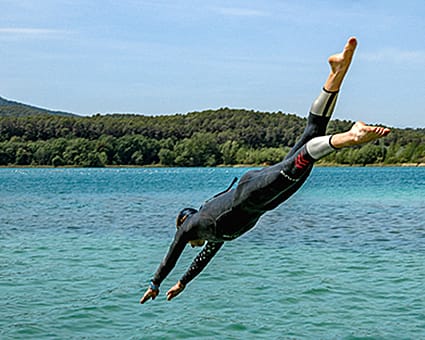
It can be tempting to dive straight into the water, but be very careful with this. Never just dive into the water, especially not in unfamiliar or shallow waters. You don't know exactly how deep the water is and what obstacles there are, so you could put yourself in danger and end up with a neck or back injury. In many natural waters, such as lakes and rivers, the water is often murky, so you can't see everything. If there are rocks, branches or other objects, you can seriously injure yourself.
It's always a good idea to walk into the water first and check the conditions properly. Feel with your feet how deep the bottom is and how deep the water is before you decide to swim and dive. Take your time, because safety comes first.
Make sure you warm up afterwards
After swimming, it's important to keep your body warm. First, rinse your body and swimwear with clean water to wash away any bacteria. While swimming, your body is active, but once you're on shore you stand still and your body cools down. To prevent this, it's important to put on warm clothing after rinsing, such as a towel poncho or a warm jumper.
A warm drink, such as tea or soup, also helps to bring your internal body temperature back up to level more quickly. Also make sure you stay out of the wind and give your body enough time to warm up. Warming up afterwards is just as important as preparing for your swim. It keeps you safe and comfortable, even after you've come out of the water.
Conclusion
Now that you've read this whole blog, you know what to look out for if you want to swim in open water. It takes good preparation, the right swimwear and gear, and knowledge of the conditions. With these 10 tips, you're well on your way to entering open water more safely. And by taking these tips into account, you can fully enjoy the freedom and challenges that open water offers.
Have fun swimming!