


What is a pull buoy and what is it used for?
Updated: 11 November 2026
Short answer: a pull buoy is a figure-eight shaped foam float that you clamp between your thighs. It keeps your legs afloat, so you swim using only your arms. This trains your arm strength, swimming technique, breathing and body position. Clamp it high between your thighs; the lower you place it, the harder it gets. A pull buoy is not the same as a kickboard: with a kickboard you train your legs instead.
Swimming is the first leg of a triathlon, and a good start in the water pays off for the rest of the race. Swimming also trains your whole body, building muscle strength and endurance. Want to improve your swimming technique and get more out of every arm stroke? Then a pull buoy is one of the most useful training aids you can use.
In this blog you will read what a pull buoy is, where to place it, which types and sizes there are, how it differs from a kickboard and how to build a training session with it.
The most popular pull buoys
In this blog about pull buoys:
- What is a pull buoy?
- What is the purpose of a pull buoy?
- What is the difference between a pull buoy and a kickboard?
- Different types of pull buoys
- Which size pull buoy do you need?
- How do you use a pull buoy?
- Sample training session with a pull buoy
- What are the benefits of a pull buoy?
- Frequently asked questions
- Conclusion
What is a pull buoy?
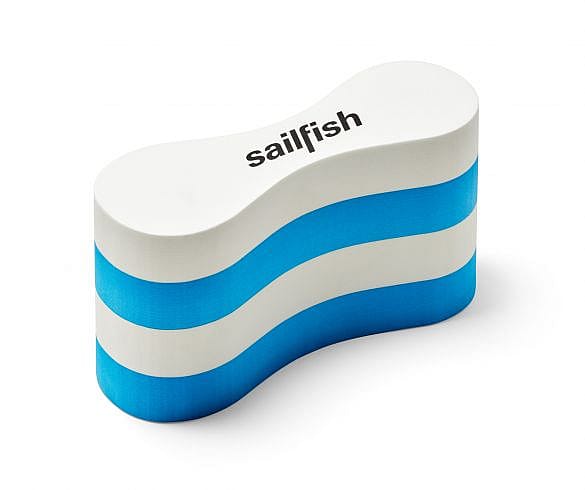
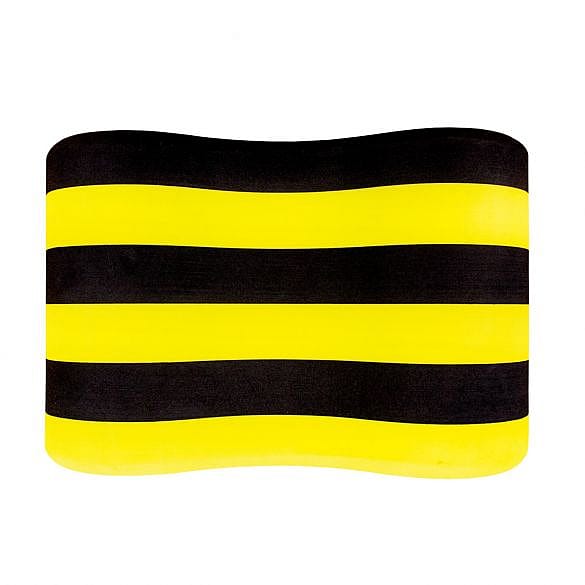
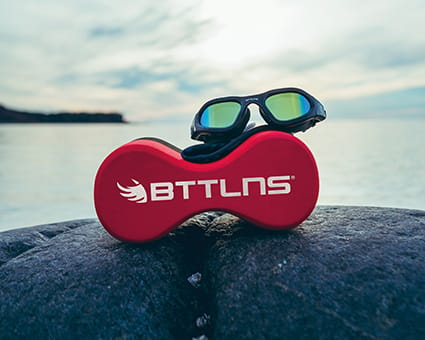
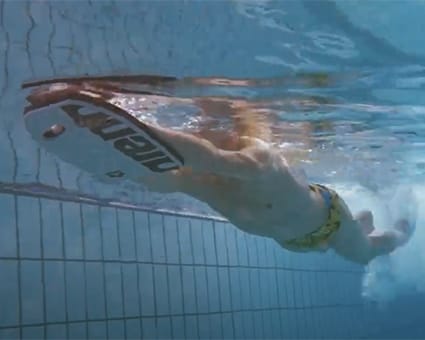
A pull buoy is a floating training aid that helps you train and improve your swimming stroke. It is made of light foam and has a figure-eight shape. Thanks to that shape, you can easily clamp it between your legs: high between your thighs or just above your knees. Some swimmers clamp it closer to their ankles. That is harder, because you have to work more to stay stable in the water.
What is the purpose of a pull buoy?
The main purpose of a pull buoy is to give your legs extra buoyancy. This prevents sinking legs and helps you lie flatter and more streamlined in the water. Because your legs hardly have to do anything, you isolate your arm stroke. You then train your upper body, arm strength and breathing technique in a targeted way. Lying flatter also improves your posture and body position in the water.
A pull buoy is widely used in technique sessions, such as a front crawl course, and belongs in every swim bag (see also what you need for your swim training). For triathletes there is another advantage: with a pull buoy you lie in the water roughly the way you do in a wetsuit. That way you can already practise your open water body position in the pool.
What is the difference between a pull buoy and a kickboard?
Are a pull buoy and a kickboard the same? No. Both help you improve your swimming technique, but they focus on a different part of your body.
- You clamp a pull buoy between your legs. Your legs rest, your arms do the work. You train your arm stroke and upper body.
- You hold a kickboard with your hands. Your arms rest, your legs do the work. You train your kick and leg muscles.
You can read all about the kickboard in our blog what is a kickboard and what is it used for.
Different types of pull buoys
Most pull buoys have the classic figure-eight shape, but there are a few variants:
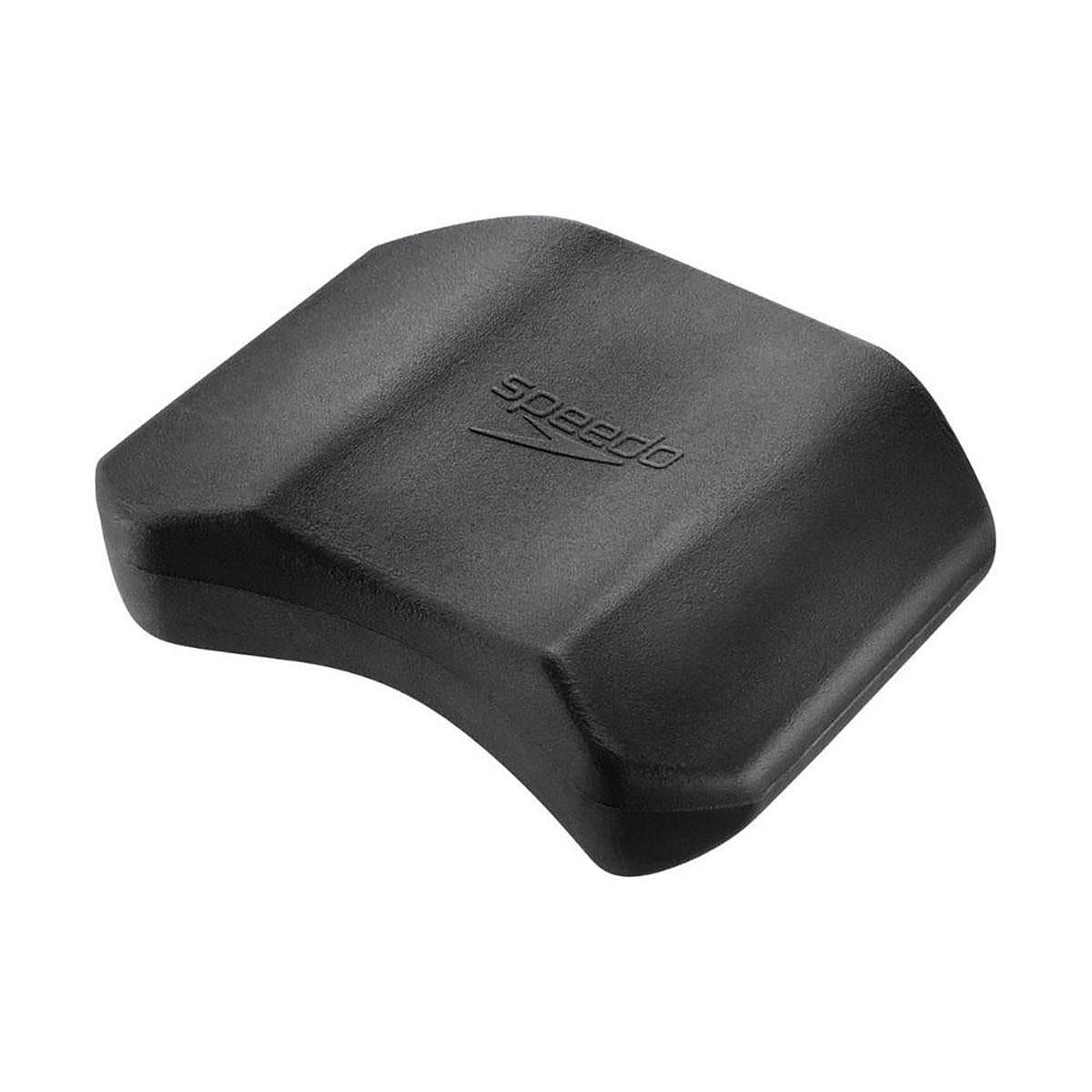
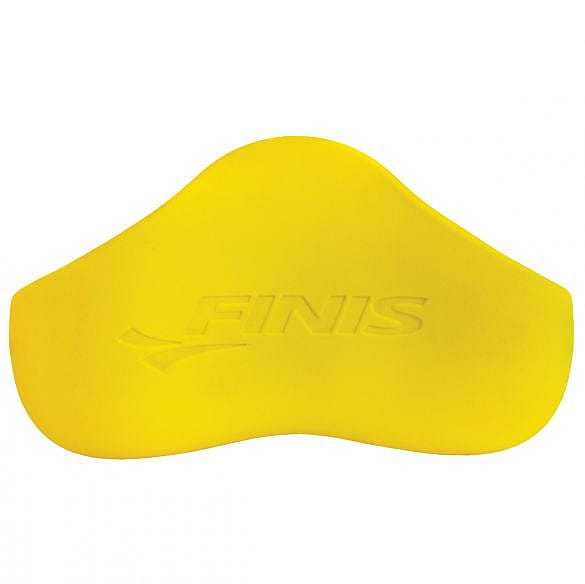
- Classic pull buoy: the figure-eight foam shape that you clamp between your thighs or knees. This is the most popular model and ideal to start with.
- Ankle buoy: a pull buoy with holes or a strap for your ankles. Handy if you want to wear the buoy at your ankles, because it won't slip away. Your core does have to work harder to keep you straight.
- Pull kick: a combination of a pull buoy and a kickboard. Between your legs it is a pull buoy, in your hands a kickboard. That way you only need one training aid in your swim bag.
Pull kick and ankle buoy: the other types

Order before 5:00 PM, delivered tomorrow
Which size pull buoy do you need?
Most pull buoys come in one adult size that fits almost everyone. Still, they differ in size and thickness, and that determines how much buoyancy you get:
- Larger or thicker pull buoy: more buoyancy. Useful if your legs sink quickly, for example with muscular legs or if you are still working on your body position.
- Smaller or thinner pull buoy: less buoyancy. You have to hold your body position more yourself. Suitable for experienced swimmers and for children.
Not sure? Then choose a classic pull buoy of average size. It fits most swimmers and is perfect to start with.
How do you use a pull buoy?
Using a pull buoy is easy. Just pay attention to these three things:
1) Placing the pull buoy
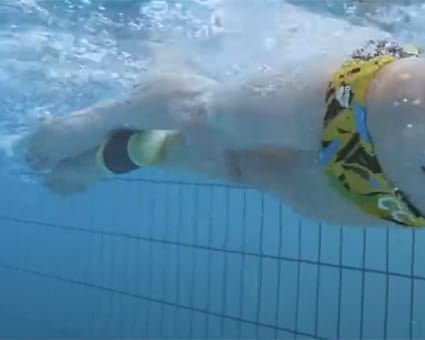
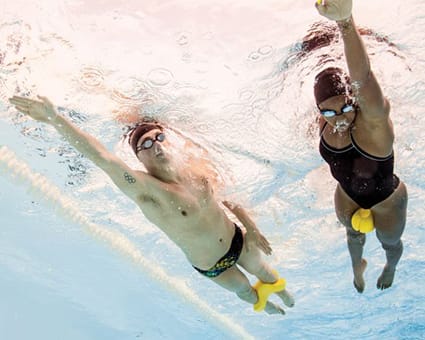
You can clamp the pull buoy between your thighs, just above your knees, between your calves or just above your ankles. Depending on the position, you use slightly different muscles. The lower you place it, the harder it is to stay stable and the harder your core has to work to keep your body horizontal and straight. So start high between your thighs.
2) While swimming
You can use a pull buoy with any stroke, but you mainly see it with front crawl. In the pool, clamp it between your legs before you push off. In the water, make sure your body is as horizontal and streamlined as possible. Training in open water? Then walk into the water with the pull buoy and clamp it between your legs as soon as the water is deep enough.
3) Technique focus
Now that your legs float steadily, you can focus fully on your arm stroke and breathing. Aim for a long, calm pull under water and relaxed breathing to the side. Do you notice your hips swaying? Then tighten your core and grip the pull buoy a little more firmly.
Sample training session with a pull buoy
This is how to build a training session with a pull buoy. Adjust the distances to your own level:
- Warm-up: 200 metres of easy swimming without training aids.
- Main set: 4 x 100 metres front crawl with the pull buoy high between your thighs, with 20 seconds rest. Focus on a long pull and calm breathing.
- Variation: 4 x 50 metres with the pull buoy lower, just above your knees. Your core now works harder.
- Legs: 4 x 50 metres with a kickboard, so you also train your kick.
- Cool-down: 100 metres easy.
What are the benefits of a pull buoy?
A pull buoy is a valuable training aid if you want to improve your swimming technique and strength. These are the main benefits:
- More arm strength: because your legs are still, your arms have to work harder. This builds strength in your arms and shoulders, for a more powerful and efficient stroke.
- Better focus on technique: you only pay attention to your arm stroke, so you can refine it step by step.
- More efficient breathing: with still legs you have more attention for your breathing. This helps you develop controlled breathing and a smoother stroke.
- Better body position: your hips and legs lie higher and flatter in the water. That means less drag, so you move through the water faster.
- Better endurance: the extra effort from your arms improves your fitness, so you can swim longer distances and tire less quickly.
Frequently asked questions about the pull buoy
Is a pullbuoy the same as a pull buoy?
Yes. Pullbuoy and pull-buoy are just other spellings of the same training aid: a figure-eight foam float that you clamp between your legs.
Where do you place a pull buoy?
The easiest position is high between your thighs. If you place it lower, at your knees or ankles, it becomes harder for your core. Read more under placing the pull buoy.
Which size pull buoy do I need?
Most pull buoys come in one adult size. A larger pull buoy gives more buoyancy, a smaller one less. See which size pull buoy do you need.
Can you use a pull buoy for breaststroke?
Yes, you can use it with any stroke. With breaststroke you then swim using only your arm stroke. Most swimmers mainly use a pull buoy for front crawl.
Is a pull buoy suitable for beginners?
Yes. Because your legs stay afloat, you can calmly focus on your arm stroke and breathing. Start with the pull buoy high between your thighs and swim short distances.
Is a pull buoy useful for triathletes?
Definitely. With a pull buoy you lie roughly as you do in a wetsuit, with your legs high in the water. This lets you train your open water body position in the pool. Read more about choosing a wetsuit in how to choose the right wetsuit for a triathlon.
Conclusion
With a pull buoy you train your swimming technique in a targeted way. Your legs float, so you can focus fully on your arm stroke and breathing. The result: more arm strength, a better body position and a more efficient, faster stroke. Whether you train in the pool or in open water, a pull buoy belongs in every swim bag. View all pull buoys or complete your swim training with our other swimming accessories.
Looking for help or extra advice?
Our swimming specialists are happy to help with your questions about pull buoys. That way you make a well-considered choice and dive into the water with pleasure. Call us on +31 85 773 0058, send an email or visit our triathlon store in Volkel.