


The 10 biggest beginner mistakes in running
You've decided to start running – a step in the right direction, well done! Maybe you want to work on your fitness, lose a few kilos, take part in a triathlon or marathon, or simply clear your head after a busy day at work. But however enthusiastic you are at the start, chances are you'll (unknowingly) fall into a few classic pitfalls. And believe us: these mistakes make the difference between an enjoyable and a frustrating run.
Many beginner runners stop within a few weeks. Not because they lack perseverance, but because they get injured, don't see progress or simply don't know how to go about it properly.
That's why in this blog we've listed the 10 biggest beginner mistakes in running and, above all, how to avoid them. From the wrong shoes to not taking rest, from overenthusiasm to nutrition that undermines your performance. With practical tips and product recommendations, we'll help you on your way to lasting running enjoyment.
Ready to start smarter and get more out of your runs?
In this blog about common beginner mistakes in running:
- Not wearing good running shoes
- Choosing the wrong clothing
- Skipping the warm-up or cool-down
- Not following a structure or plan
- Not taking rest days
- Building up too quickly
- Focusing too much on speed instead of technique
- Only running on asphalt
- Eating or drinking badly before or after training
- Not doing strength training
- Conclusion

Mistake #1: Not wearing good running shoes
Many beginner runners put on their old trainers without thinking, or worse: casual sneakers. Understandable, perhaps – you already have them, right? But running demands much more from your feet, tendons and joints than a walk or a gym session. Wearing the wrong shoes is one of the fastest routes to frustration… or an injury.
Running shoes are specially developed to absorb shocks and vibrations, guide your feet as they roll off and support your body with every step you take. If you run in shoes that aren't made for this, you can suffer from:
- painful shins (shin splints),
- knee pain or hip complaints,
- blisters or pressure points,
- an inefficient running technique.
And all of this is so easy to prevent.
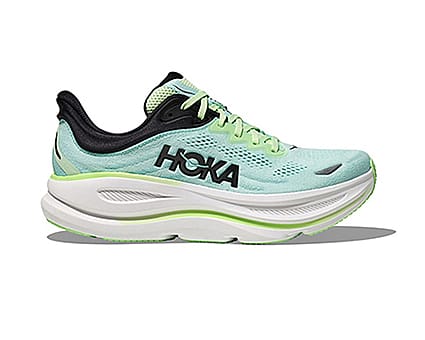
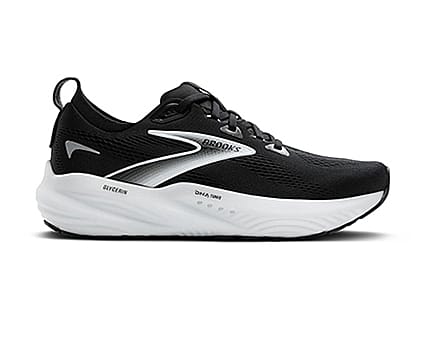
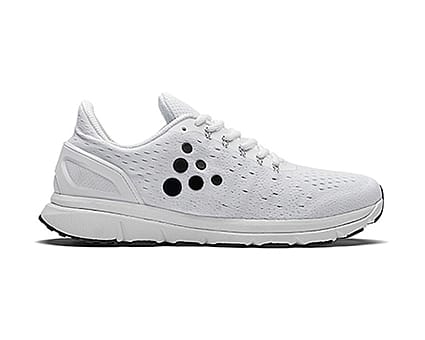
The solution is actually quite simple: invest in a pair of good running shoes that suit your foot type and running style. Think of the right cushioning, support and, if necessary, correction for overpronation. Brands such as Hoka, Brooks and Craft offer excellent running shoes for beginners and advanced runners alike. Not sure which type of running shoe best suits your personal running style? Contact our running specialists or visit our shop for advice.
Our extra tip: the most expensive running shoe isn't necessarily the best one for you – it's all about fit, comfort and support.
Prevent injuries and frustration by choosing the right shoes straight away. View our running shoe collection here:
Mistake #2: Choosing the wrong clothing
When you start running, it may seem obvious to put on an old T-shirt and tracksuit bottoms. But those are often exactly the wrong choices.
Running clothing isn't just any sportswear: it's designed to keep your body at the right temperature, wick away sweat and prevent chafing. If you wear the wrong clothing, your training can quickly turn into an uncomfortable battle against heat, cold or irritation.
Wearing the wrong clothing means you:
- get too hot and sweat excessively (losing valuable energy),
- stay too cold and suffer from stiff muscles and joints,
- get chafing under your arms, between your legs or on your nipples,
- get wet quickly in the rain, stay wet and cool down (increased risk of injury).
What's more, clothing that doesn't breathe can seriously dent your motivation: you feel heavier, sticky and uncomfortable.
Choose good running clothing that suits the season and your running style right from the start. Think of:
- Breathable shirts that wick sweat away quickly
- Well-fitting running trousers (short or long, depending on the weather)
- Running jackets that protect you from rain or wind
- Running socks that help prevent blisters
- And for women: a good sports bra that offers support during impact
Want to know exactly what you need to start running comfortably and responsibly? Then also read our complete guide:
What do you need for running? The complete guide
Or curious about our top 5 best running socks? Then also read the blog with our top 5 running socks.




Mistake #3: Skipping the warm-up or cool-down
You put on your shoes, start your sports watch and immediately start running. Sound familiar? Many beginners skip the warm-up, and after the final sprint home they jump straight into the shower or flop onto the sofa without a cool-down. Understandable if you're short on time, but bad for your body. Without these essential phases, you ask too much of cold muscles and make your body stop abruptly, which is injury-prone and ineffective.
Skipping a proper warm-up and cool-down can lead to:
- stiff or strained muscles (especially calves, hamstrings and groin),
- an increased risk of knee and ankle injuries,
- dizziness or palpitations afterwards,
- slower progress in fitness or recovery.
Your body needs time to switch "on" and "off" again, just like a car in cold weather.
Always plan 5 to 10 minutes for a warm-up and cool-down, however short your training is. It doesn't have to be complicated:
- Warm-up: walk or jog gently, followed by dynamic exercises (such as high knees, butt kicks and lunges).
- Cool-down: jog or walk gently to finish, followed by light stretching exercises.
Our pro tip: use a timer or running app with reminders so you don't forget these phases.


Mistake #4: Not following a structure or plan
You put on your running shoes and just run "when you have time" or "when you feel like it". Sometimes you run for five minutes, then fifteen, then suddenly a whole loop. That may feel nice and free, but without structure there's a big risk that your body won't get the chance to build up properly and that you'll lose motivation because you don't see clear progress.
Running without a plan often leads to:
- overloading muscles or tendons (too much, too fast),
- a lack of motivation (you have no clear goal),
- stagnation (you don't improve or even get worse),
- an increased risk of injury due to irregular loading.
Many beginners start full of enthusiasm, but drop out after a few weeks because they have no plan or rhythm. A shame, because with a plan you stay motivated, injury-free and see progress.
Follow a simple but well-thought-out running plan that suits your level. A good plan provides:
- a gradual build-up of distance and intensity,
- enough rest (essential!),
- clear milestones and moments of success,
- variety in training (endurance runs, intervals, rest days).
Want to follow a reliable and achievable plan straight away? Then take a look at our running plan for beginners (12-week plan for 5 km).
With the right gear, it's even easier to stick to a plan. Think of:
- a comfortable sports watch or app to track your runs


Mistake #5: Not taking rest days
You've finally got a taste for it. You feel fitter and motivated, and you think: "If I run every day, I'll progress faster." Unfortunately… that often backfires. Rest days are often seen as a waste of time, while they're actually essential to becoming stronger, faster and injury-free.
In the long run, your body can't cope with skipping rest days. You risk:
- overloading muscles, tendons or joints,
- fatigue, poor sleep or an increased resting heart rate,
- a dip in motivation or mental fatigue,
- serious injuries such as runner's knee or shin complaints.
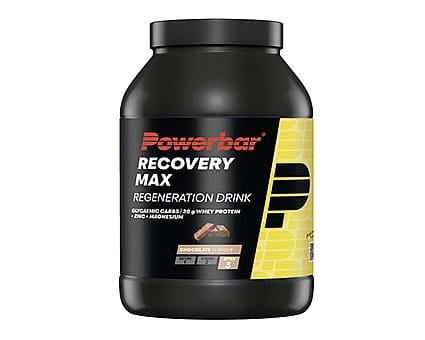
Your body needs recovery time to adapt to the training stimulus. No rest, no progress. Take at least one rest day between your running sessions.
Consciously plan your rest days into your training week – not as an "option", but as an essential part of your plan.
And a rest day doesn't necessarily mean sitting still. For example, you can:
- go for a gentle walk,
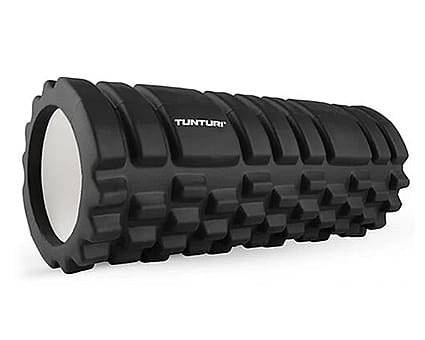
- do foam rolling or mobility exercises,
- do some light yoga or stretching,
- pay extra attention to nutrition and hydration.
Our pro tip: use a training diary or app in which rest days are just as important as running days.
You can support your recovery with smart products that reduce muscle soreness and speed up recovery:

Mistake #6: Building up too quickly
You've only just started and quickly notice: "I can do more!" Instead of following your plan, you add an extra loop. Or you suddenly double your distance because it went well yesterday. Understandable, but dangerous. Many runners get injured because they want too much too soon: their fitness grows faster than their body can handle.
When you build up too quickly, you don't give your muscles, tendons and joints time to adapt. This often leads to:
- overuse injuries such as shin splints, runner's knee or Achilles tendon complaints,
- a drop in motivation due to pain or long recovery periods,
- frustration because you "have to start all over again".
A commonly used rule of thumb is: increase your total training volume by a maximum of 10% per week. Anything above that increases the risk of injury exponentially.
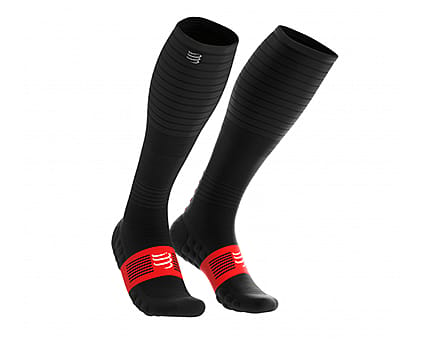
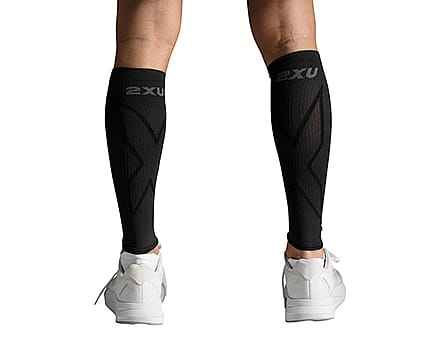
Follow a gradually structured running plan and learn to listen to your body. Focus on duration over speed, and on consistency over performance. Stick to the 10% rule and alternate intensive sessions with easy runs or rest days.
Our 12-week plan for beginners shows exactly how to build up responsibly: The best running plan for beginners – 12 weeks (5 km).
Our extra tip: keep track of how tired you feel in a notes app or on your sports watch. You can feel many injuries coming if you listen honestly to your body.
Support your body during this build-up phase with the right products, such as:
Mistake #7: Focusing too much on speed instead of technique
You see others on Strava running at a solid pace and think: "I should be able to do that too." So you immediately try to improve your kilometre times. But without paying attention to posture, cadence and foot strike, you'll soon overtake yourself – literally and figuratively. Speed is tempting, but without good technique you build up bad habits, or even worse: injuries.
Going too fast without the right technique can lead to:
- overloading muscles, knees or lower back,
- inefficient energy use (you tire more quickly),
- an unnatural running style that's hard to unlearn,
- stagnation in your progress – because you're "running wrong, faster".
You sometimes see people with top fitness but poor running technique. That's something you obviously want to avoid.
Focus on technique before pace. First work on:
- a short, rhythmic cadence (170–180 steps per minute),
- an upright posture with relaxed shoulders,
- a light foot strike under your body (not leaning too far forward),
- an arm movement that supports your rhythm.
Technique isn't a quick fix, but it is the key to injury-free and sustainable running. Filming yourself or training with a running coach can help you enormously.

Mistake #8: Only running on asphalt
As a beginner, you often automatically choose the cycle path or pavement: flat, familiar terrain and usually close by. But always running on asphalt is one-sided for your body. You keep loading the same muscles, joints and tendons, while you actually benefit from variety in the build-up phase (and later on). And let's be honest: asphalt is hard. Very hard.
Running on hard surfaces for long periods or exclusively increases the risk of:
- impact stress on knees, hips and back,
- overuse injuries such as shin splints or tendinitis,
- monotonous training sessions that are mentally less motivating.
You also train your body one-sidedly, so it doesn't adapt to different running conditions – something that actually makes you stronger and more resilient.


Consciously vary the surfaces. Regularly alternate between:
- forest trails or gravel paths (softer, cushioning),
- grass strips or park paths (good for technique and ankle stability),
- trails or unpaved routes (for balance and strength).
This teaches your body to adapt to surface, posture and load, which contributes to a healthier and stronger running body.
Our extra tip: use apps such as Komoot or Strava to find routes with natural surfaces near you.
Different surfaces call for shoes that are prepared for them: trail running shoes for unpaved paths and grip on wet ground.
Do you mainly run in the city, on tarmac, pavements and cycle paths? Then choose a road running shoe with plenty of cushioning. It’s made for hard surfaces and absorbs the impact of every landing.


Mistake #9: Eating or drinking badly before or after training
Many beginner runners don't think about what they eat or drink around their training. Either they skip breakfast and run on an empty stomach, or they eat a heavy meal just before running. And afterwards? Often nothing, or just a glass of water. But nutrition and hydration are essential for performing well and recovering optimally.
Your body is an engine, and an engine doesn't run on air or the wrong fuel.
Incorrect or insufficient nutrition can lead to:
- energy dips or "hitting the wall" while running,
- stomach complaints due to badly timed meals,
- fatigue or muscle soreness that lasts unnecessarily long,
- poorer training results and an increased risk of injury.
Hydration also plays a key role: even a small fluid deficit can significantly affect your performance and recovery.
Have a light, easily digestible meal 1.5 to 2 hours before your training. Think of:
- a banana with peanut butter,
- a bowl of porridge,
- a rice cake with honey.
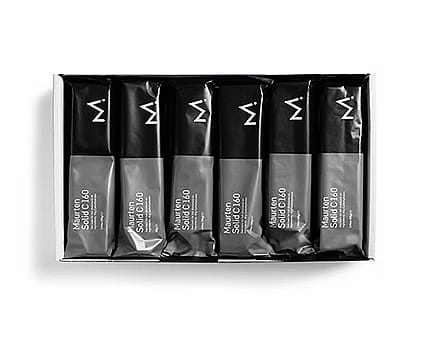
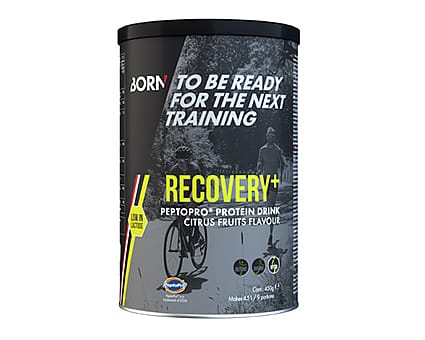
After your training, it's important to replenish your protein and carbohydrates for optimal muscle recovery. And don't forget: drink enough, both before and after your run, especially in warm weather.
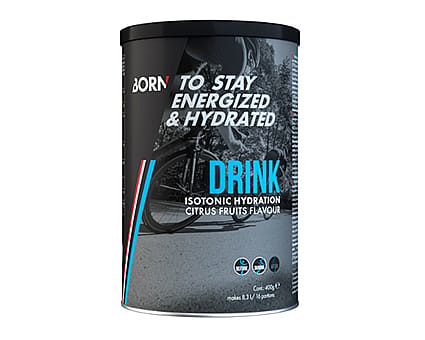
Our extra tip: also try a sports drink or electrolyte drink during longer or more intensive sessions.
Support your performance and recovery with the right sports nutrition:
Mistake #10: Not doing strength training
Many beginner runners think their kilometres are enough. Strength training? Isn't that more for bodybuilders? Nothing could be further from the truth. Running places repeated stress on your muscles, tendons and joints, and without a strong base you have a high chance of injury.
No strength, no control. No control, a higher risk of injury.
Not doing strength training means that:
- your core stays unstable, which affects your running posture and technique,
- your leg muscles can become unbalanced, leading to overload,
- your recovery is slower,
- you're more susceptible to common running injuries such as ITB syndrome (iliotibial band syndrome), shin splints or knee problems.
Especially if you have a desk job, your glutes and core muscles are often weaker than you think.
So do strength training 1 to 2 times a week alongside your running routine. You don't need to spend hours in the gym: 20 to 30 minutes is often enough. Focus on:
- Core exercises such as planks, crunches, mountain climbers or Russian twists.
- Leg strengthening such as lunges, squats and bridges.
- You can also use fitness equipment such as:
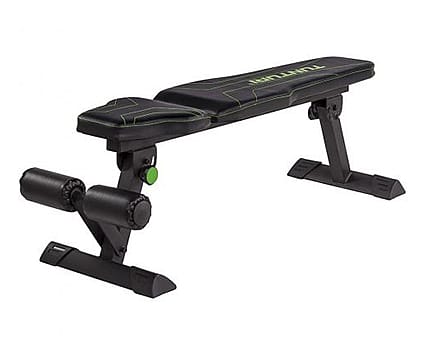
- an ab bench or core trainer for targeted core exercises,
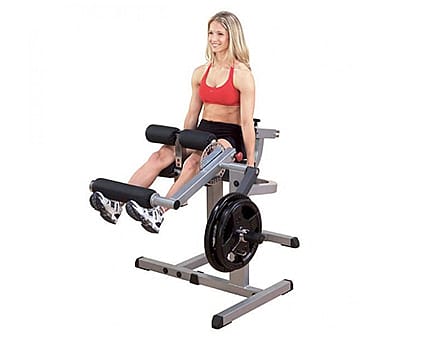
- a leg press, leg curl or leg extension machine for your thighs,
- a glute kickback machine or hip thrust bench for stronger glutes.
Many of these exercises can also be done at home with your own body weight – ideal if you have a busy schedule.
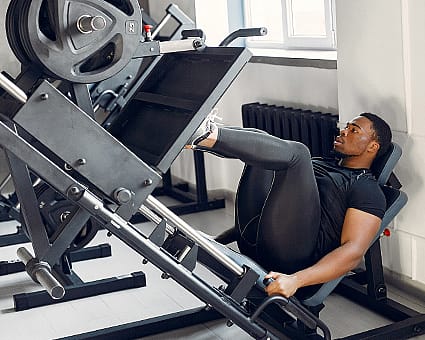
Want to get started with strength training at home or in the gym to support your running goals?

Conclusion
Starting to run is a fantastic step towards a fitter, healthier and more energetic life. But as you've read, there are also pitfalls: from the wrong shoes to too little rest, from no plan to nutrition that doesn't support your body.
The good news? Every mistake can be avoided if you know what to look out for.
By consciously choosing the right gear, an achievable training plan, good recovery moments and a strong body, you'll not only increase your enjoyment of running, but also your performance in the long term.
You don't have to do everything perfectly. But by making small, smart choices, you'll avoid big problems.
Want to get off to a really good start? Then don't forget to read the blogs below:
Also worth reading


