


The 4 best running shoes for overpronation
Updated: 6 October 2026
Short answer: the best running shoes for overpronation are stability shoes that support your foot on the inside, and from our range these are the four best. The all-rounder is the Brooks Adrenaline GTS 25; if you want a light, smooth stability shoe, choose the Hoka Arahi 9. For moderate to severe overpronation, a heavier body weight or sensitive knees the Hoka Gaviota 5 is the safest choice, and anyone who wants maximum, soft cushioning with support picks the Brooks Glycerin GTS 23. Below you can read for each shoe who it suits and how the four differ.
If your feet roll too far inwards while running, you overpronate. Your ankles, knees and hips have to compensate for that with every step, and that is one of the biggest causes of running injuries: shin splints, pain on the inside of the knee, heel spur. The solution is usually simple: a running shoe with the right support, a stability shoe. It keeps your foot stable, so you run more comfortably and with less risk of injury.
But which one? In this blog we list the four best running shoes for overpronation: the Hoka and Brooks models that are chosen most often by overpronating runners in our shop in Volkel and in the webshop, and that have been proving for years that they work. For each shoe you can read what makes it special, who it suits and what the pros and cons are. Then we compare the four on support, cushioning, drop, weight and fit, so you know exactly which one is right for you.
Want to know first what overpronation is exactly and how to recognise it in yourself? Then read What is overpronation?. Looking for the full range, including models outside this top 4? You will find it on our page with anti-pronation running shoes.
In this blog about the best running shoes for overpronation:
- At a glance: the top 4 compared
- 1. Brooks Adrenaline GTS 25 – trusted stability for every day
- 2. Hoka Arahi 9 – light stability without compromise
- 3. Hoka Gaviota 5 – maximum cushioning, maximum stability
- 4. Brooks Glycerin GTS 23 – plush cushioning with support
- Which of the four suits you?
- The differences between the four at a glance
- Conclusion
- Frequently asked questions about the best running shoes for overpronation
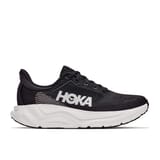
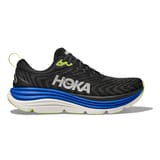
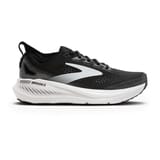
Want to see right away what is in stock in your size? All stability shoes, including the models outside this top 4, are here:
View all stability shoes men View all stability shoes women
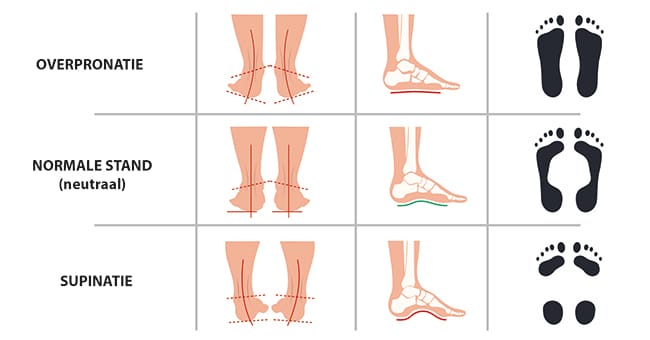
The order is not a ranking from good to less good. Which of the four is best depends on how much you overpronate, your weight, your distances and how much cushioning you like. You can read that for each shoe under "Who it is for". Briefly: overpronation means that your foot rolls too far inwards after landing (see the image). All four shoes below catch exactly that movement, each in its own way.
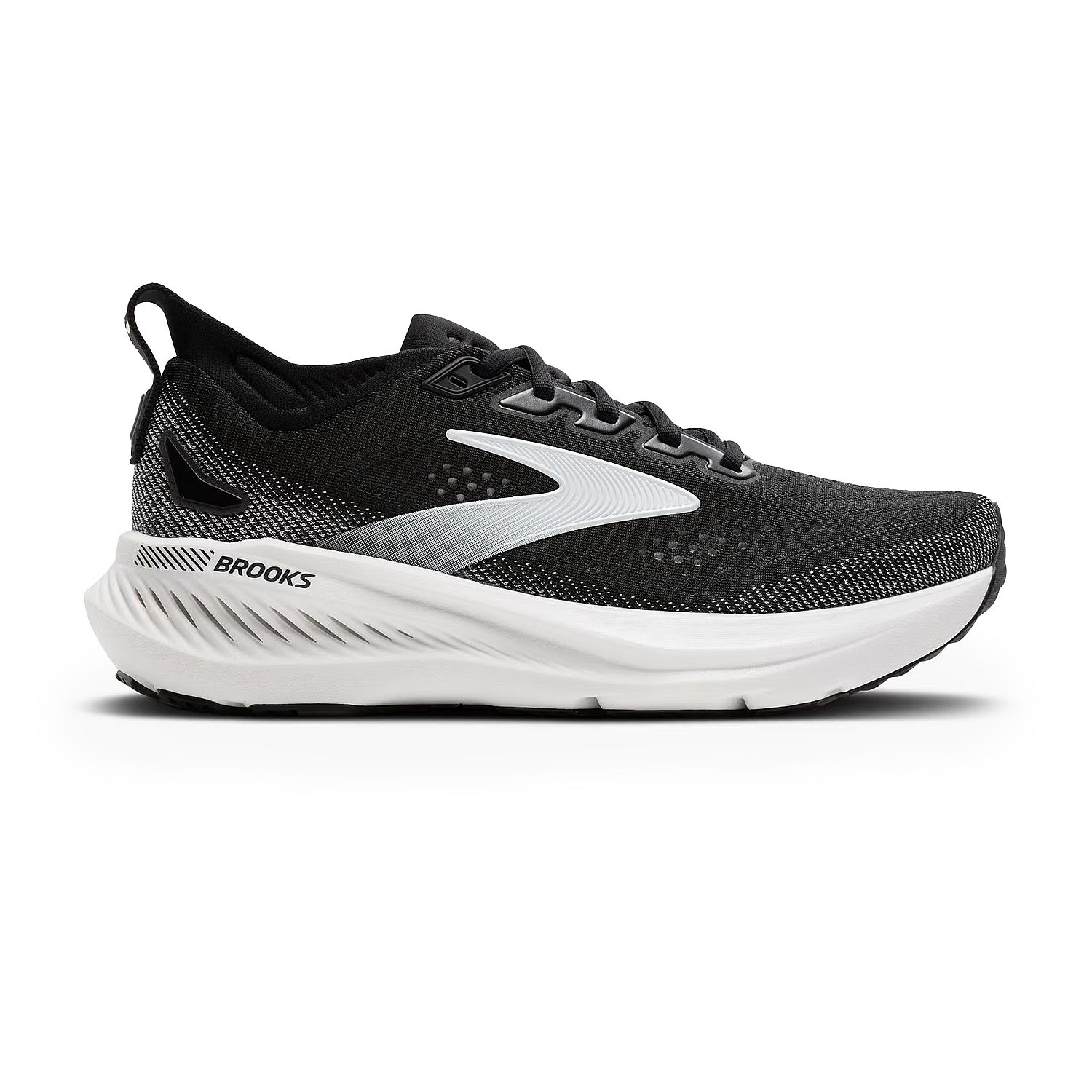
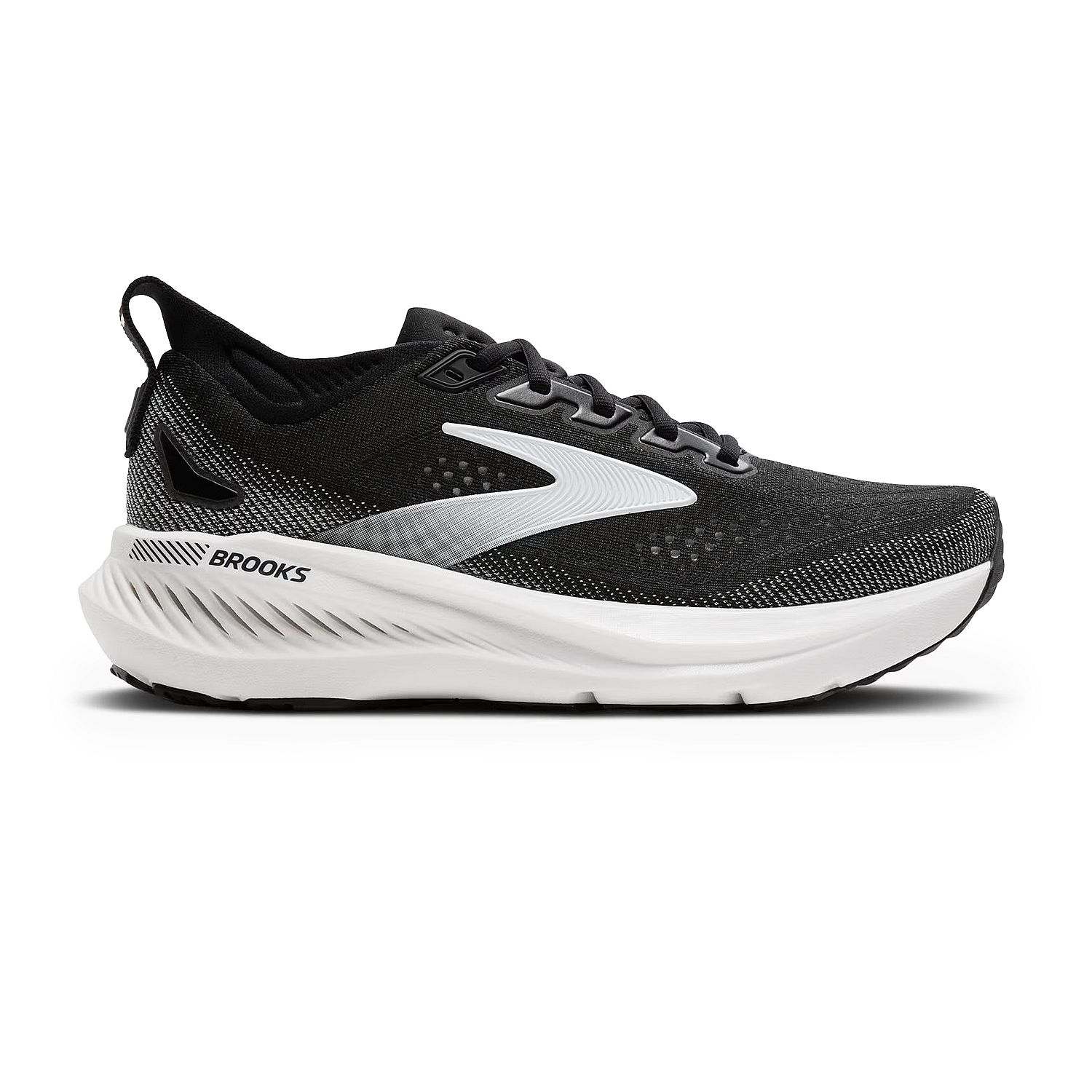
1. Brooks Adrenaline GTS 25 – trusted stability for every day
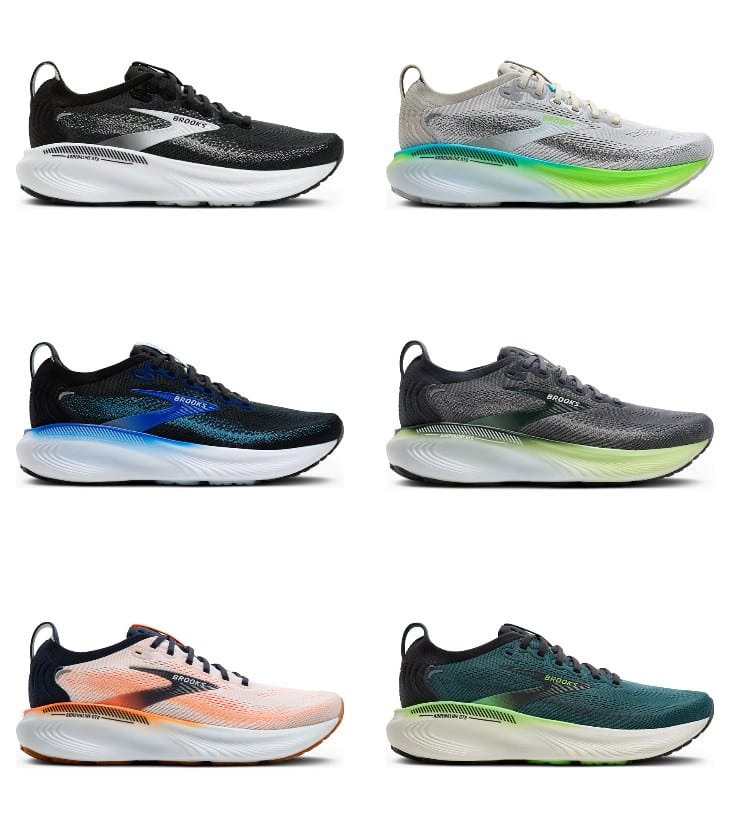
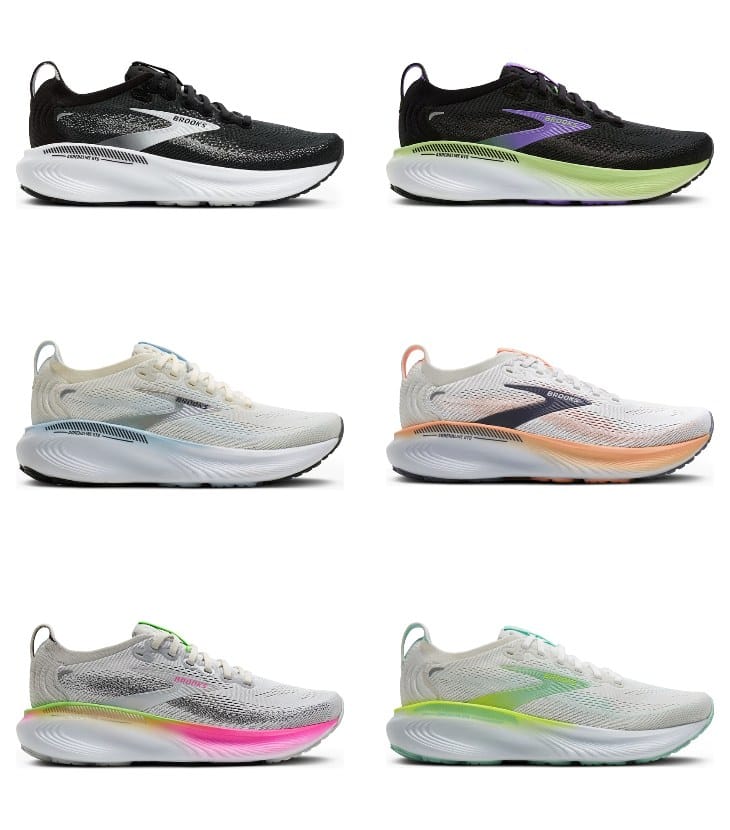
The Brooks Adrenaline GTS has been the most chosen stability shoe in our shop for more than twenty years, and the GTS 25 shows why. The shoe is built to give you stability with every step without feeling stiff or heavy. The midsole of nitrogen-infused DNA Loft v3 foam has become thicker in this version, which lands noticeably softer than its predecessor, while the toe-off stays light and springy.
The strength of the Adrenaline lies in the GuideRails system: two subtle reinforcements on either side of the heel that gently guide your foot as soon as it threatens to collapse inwards. No harsh correction, but support that only kicks in when needed. If you run well, you will not notice it. That is why the GTS 25 also feels natural to neutral runners. The breathable engineered mesh upper, the firm heel counter and the 10 mm drop also make it very pleasant for heel strikers.
Who is the Brooks Adrenaline GTS 25 for?
Runners with mild to moderate overpronation who want one reliable shoe for all their training, from short loops to the long run. Beginners, walkers and people who stand all day also appreciate the support and cushioning. GTS stands for "Go-To Support": the shoe you fall back on when you need support. Read everything about this model in our review of the Brooks Adrenaline GTS 25.
Advantages of the Brooks Adrenaline GTS 25:
- Natural support: the GuideRails only correct when your foot rolls too far inwards and otherwise stay in the background.
- Soft, responsive cushioning: more DNA Loft v3 foam than the previous version, comfortable for daily miles.
- Comfortable fit: breathable upper, firm heel and also available in a wide fit.
- Proven all-rounder: for years one of the best-selling stability shoes in the world, suitable for beginners and experienced runners.
What should you keep in mind? With severe overpronation or a heavier body weight the support of the GTS 25 can be just too light; look at the Gaviota 5 instead. If you want extremely soft cushioning, the Glycerin GTS 23 is the better fit.

Delivery within 2 – 5 business days

Delivery within 2 – 5 business days
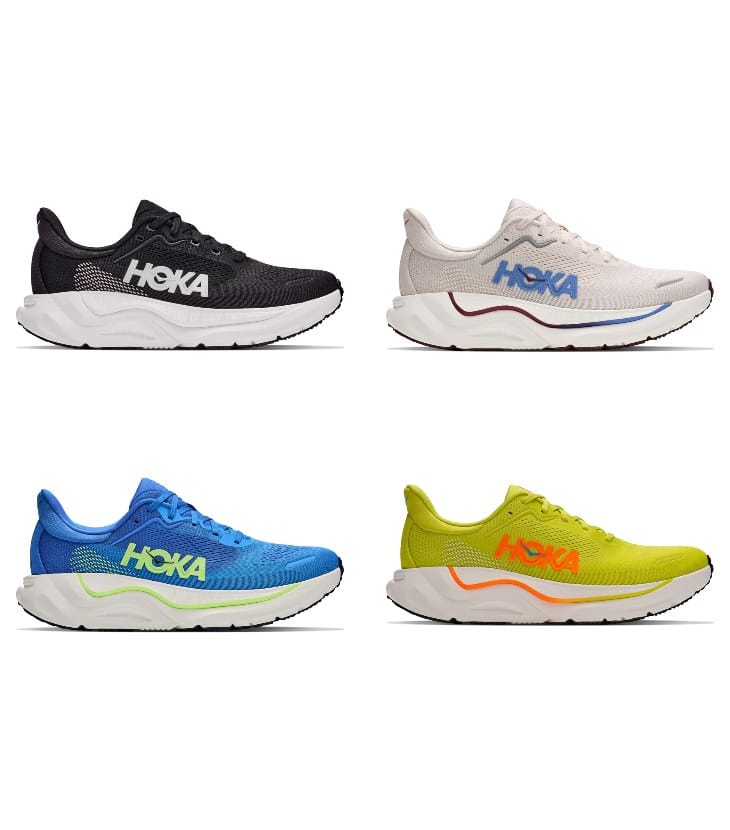
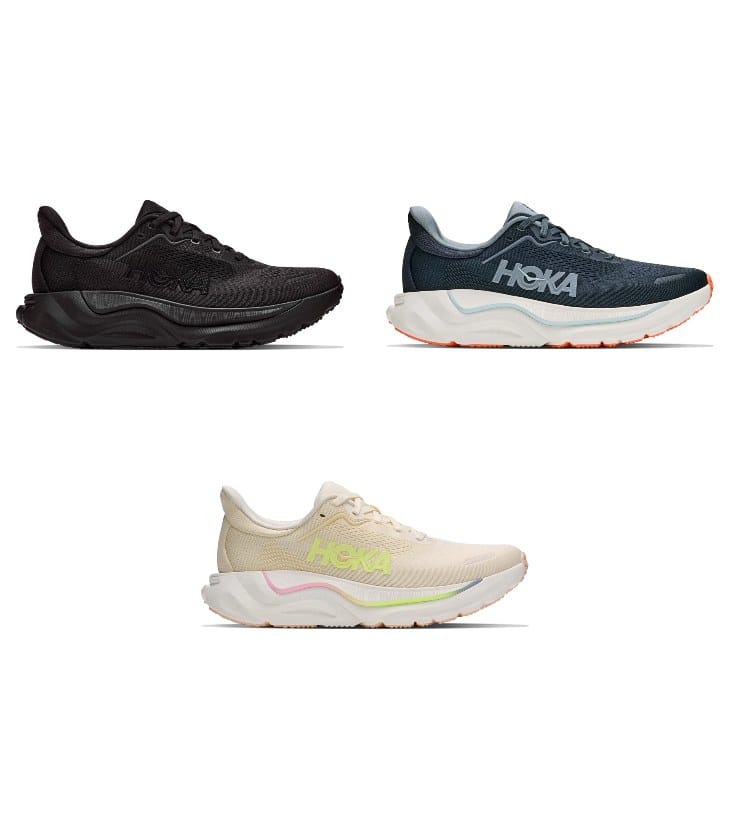
2. Hoka Arahi 9 – light stability without compromise
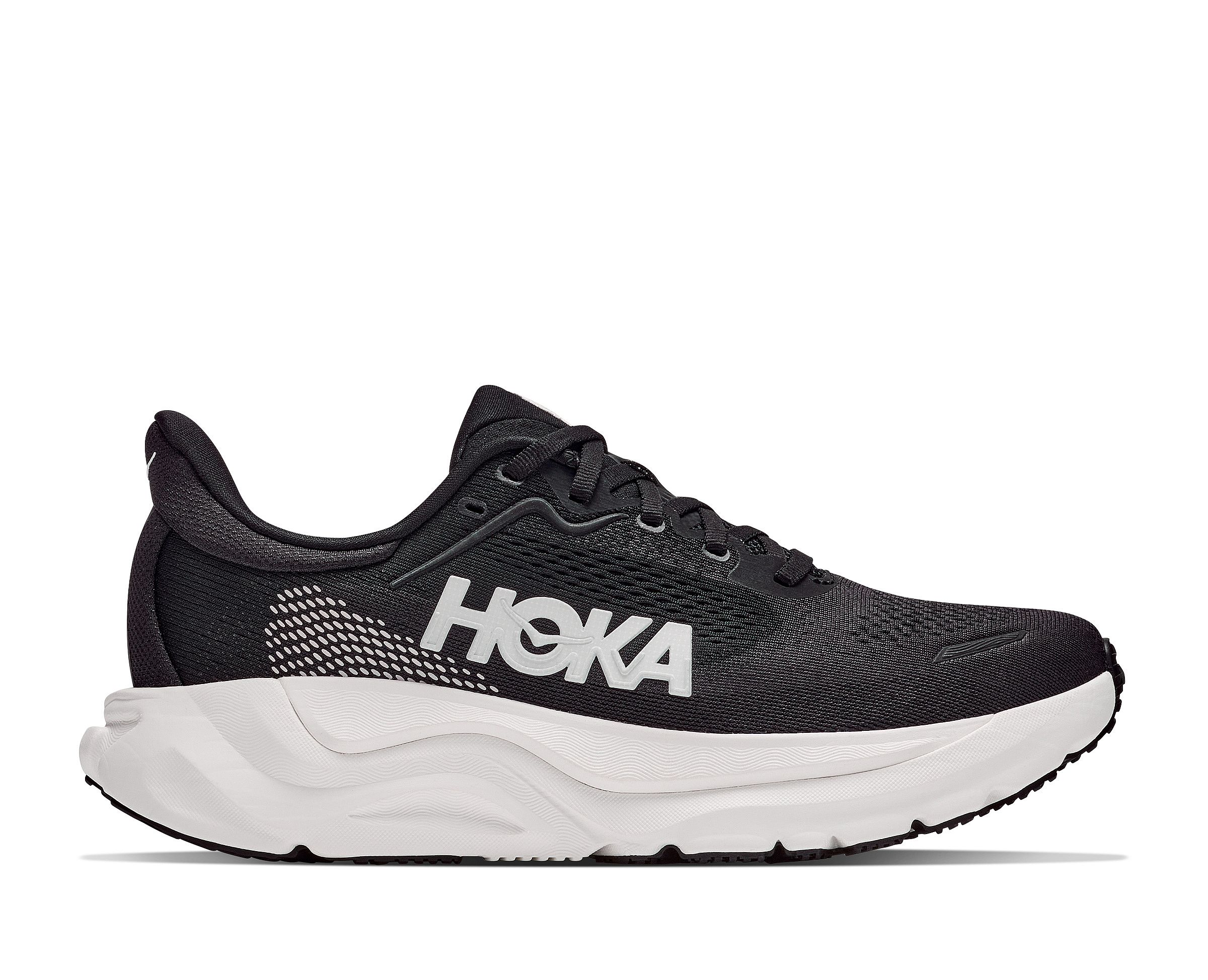
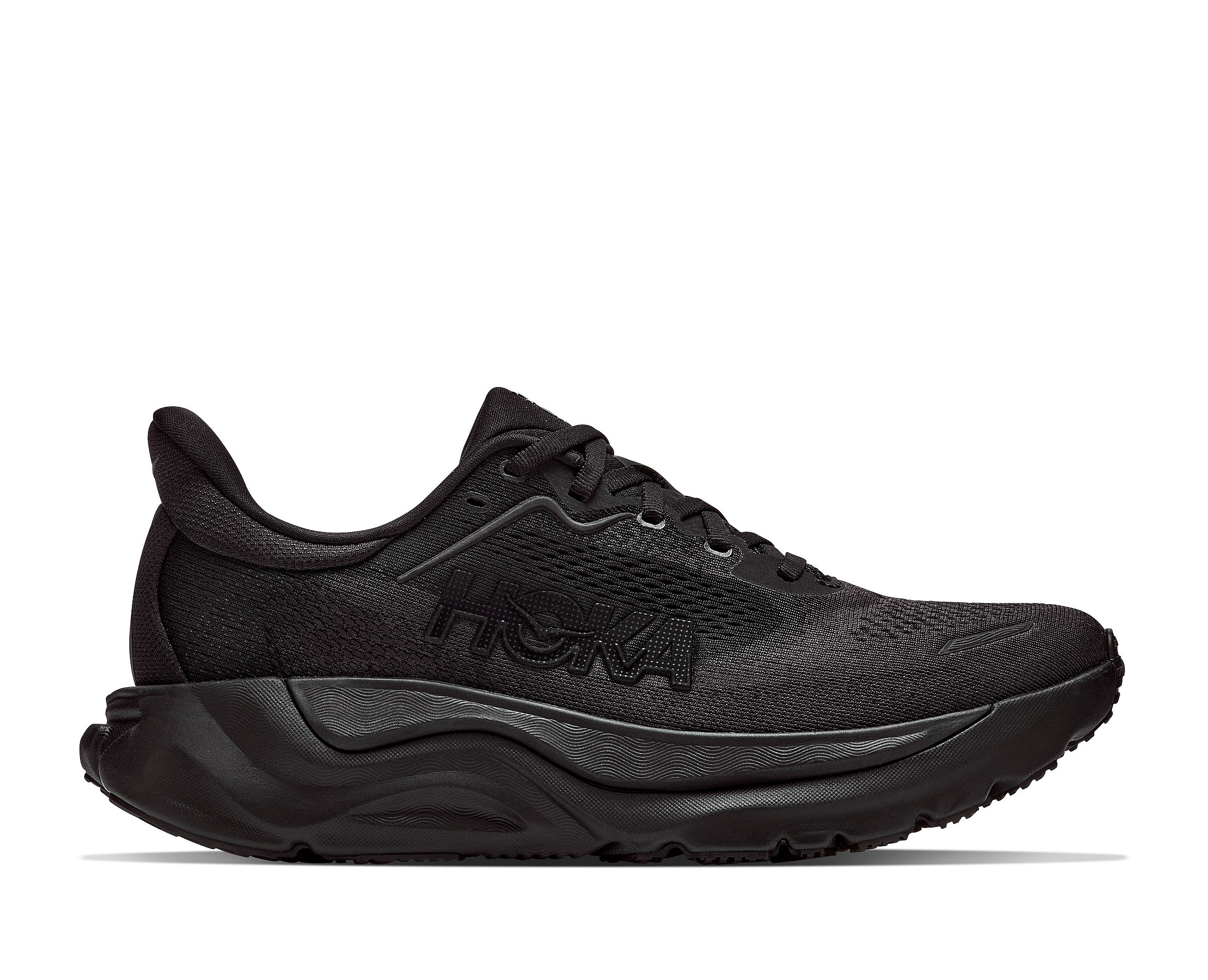
The Hoka Arahi is the light stability shoe in the Hoka range, meant for overpronating runners who do not want to give up comfort or pace. The Arahi 9 uses Hoka's H-Frame: a firmer foam structure in the midsole that wraps and centres your foot on the inside and outside without blocking your transition. Combined with the early-stage MetaRocker, Hoka's rounded sole shape, you roll smoothly from heel to toe.
Compared with the previous version, the Arahi 9 got a softer landing and a new, cooler engineered mesh upper with a slightly denser weave on the medial side for extra support. The heel collar is extended and redesigned, so your heel is held firmly without rubbing. At 284 grams, with an 8 mm drop and a 39 mm stack under the heel, the Arahi feels light and quick: you hardly notice you are running on a stability shoe.
Who is the Hoka Arahi 9 for?
Runners with mild to moderate overpronation who want a stable but dynamic training shoe, also for slightly faster runs. Thanks to the slightly wider last (and a wide version) it is also good for wider feet. Torn between the Hoka models? Read Which Hoka running shoes do I need?
Advantages of the Hoka Arahi 9:
- Light for a stability shoe: the lightest of the four, so it also feels good in tempo sessions.
- H-Frame support: stabilises your foot on both sides without hard correction elements.
- Smooth transition: the MetaRocker sole carries you forward by itself, nice for midfoot and heel strikers.
- Breathable and roomy: cool upper, firm heel hold and enough room in the forefoot.
What should you keep in mind? The Arahi cushions less than the Gaviota and the Glycerin GTS. If you are heavier built or want maximum cushioning, the Gaviota 5 is the better choice.
3. Hoka Gaviota 5 – maximum cushioning, maximum stability
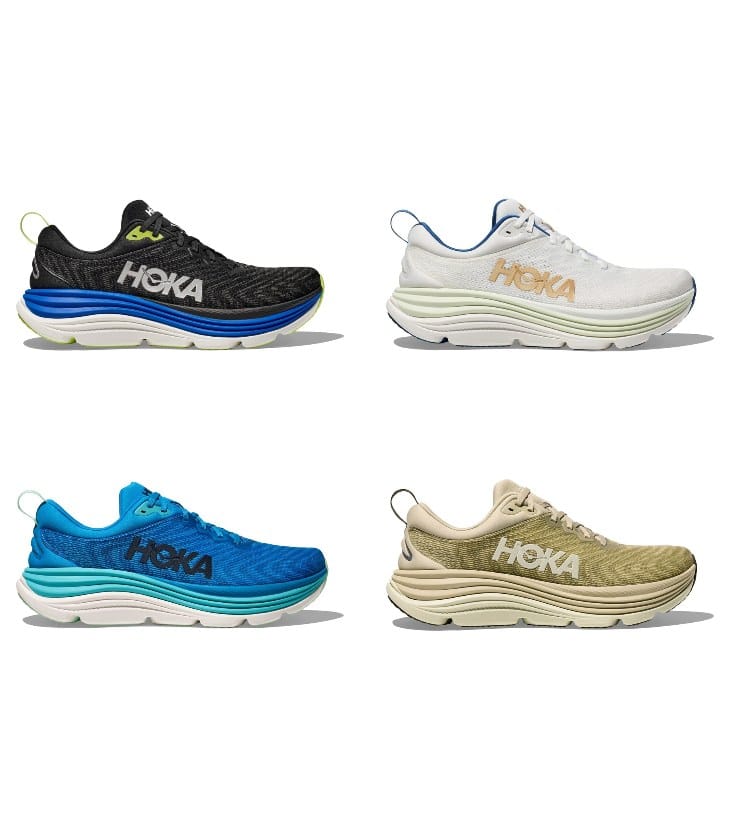
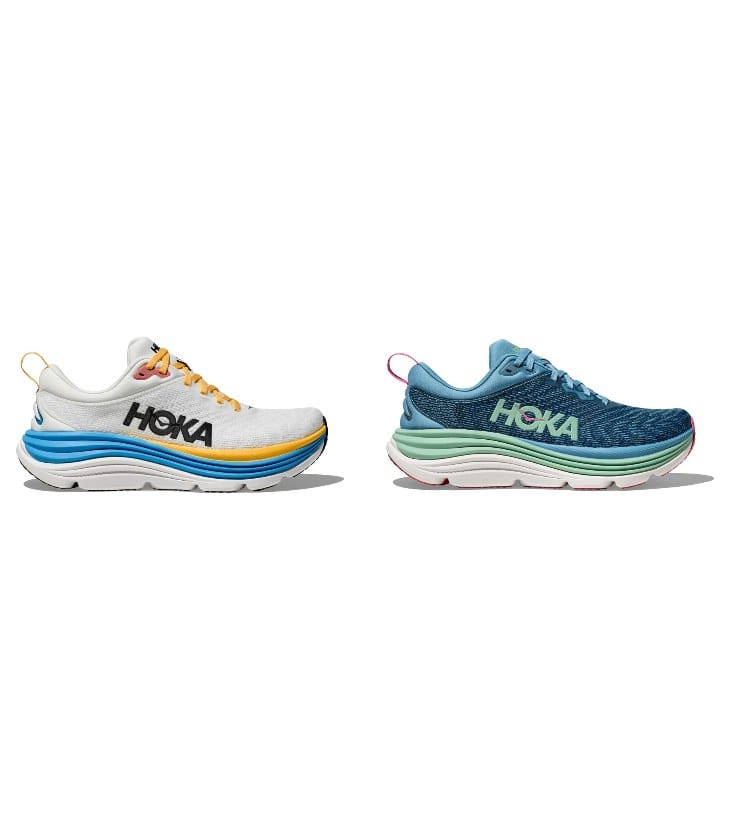
If you want a running shoe that really offers everything in stability and cushioning, you end up with the Hoka Gaviota 5. It is Hoka's most cushioned stability shoe, designed for runners who need a lot of support without giving up comfort. The tall midsole of soft EVA foam absorbs every landing; think of the comfort of a Bondi, but with support.
That support comes from the H-Frame technology: a firm foam structure that runs across the full width of the shoe and centres your foot from heel to midfoot. Instead of the stiff feel of many supportive shoes, the Gaviota feels surprisingly smooth thanks to the early-stage MetaRocker and the soft creel jacquard mesh upper with plush tongue and collar. At 310 grams it is the heaviest of the four, a logical price for all the cushioning and stability you get in return.
Who is the Hoka Gaviota 5 for?
Runners with moderate to severe overpronation, for whom stability is essential: heavier runners, runners with sensitive knees, runners returning from injury and anyone doing long, easy runs. Walkers and people who are on their feet all day swear by this model too. Thanks to the roomy fit it also suits wider feet.
Advantages of the Hoka Gaviota 5:
- Most support of the four: the H-Frame keeps your foot neatly centred even when tired and over long distances.
- Maximum cushioning: soft foam and a tall sole, ideal for sparing knees and joints.
- Stable yet smooth: wide base and MetaRocker transition, without the feel of a corrective shoe.
- Comfortable upper: breathable jacquard mesh, soft collar and a roomy toe box.
What should you keep in mind? With all that cushioning and support the Gaviota is not a fast shoe. If you want to do interval sessions besides easy runs, combine it with a lighter model such as the Arahi 9.
4. Brooks Glycerin GTS 23 – plush cushioning with support
The Brooks Glycerin GTS 23 is for runners who need support but refuse to compromise on comfort. It is the stability version of the Glycerin, the softest cushioned shoe from Brooks. The midsole of nitrogen-infused DNA Tuned foam combines large, soft foam cells under the heel for a plush landing with smaller, springy cells under the forefoot for an energetic toe-off. The GTS 23 gained 2 mm of extra foam under the forefoot, which brings the drop to 10 mm.
As with the Adrenaline, the GuideRails provide the support: they guide your whole movement chain from foot to knee and catch excess movement without forcing your running pattern. The new, streamlined engineered knit upper wraps softly and seamlessly around your foot. At 306 grams and with a 38 mm stack, this is the luxury long-run shoe among stability shoes.
Who is the Brooks Glycerin GTS 23 for?
Runners with mild to moderate overpronation who mainly want softness and comfort, for short and long distances alike. Thanks to the high drop and soft heel zone it is very suitable for heel strikers and for anyone prone to Achilles, knee or lower-back complaints. It also comes in a wide fit, pleasant for wider feet and insole wearers.
Advantages of the Brooks Glycerin GTS 23:
- Plush cushioning: DNA Tuned foam with a soft landing and a springy toe-off.
- Guidance instead of correction: the GuideRails only step in when your foot moves too far inwards.
- Plush fit: soft knit upper, roomy toe box and also available in wide.
- Durable outsole: rubber outsole with good grip, also on wet tarmac.
What should you keep in mind? The Glycerin GTS is the most expensive of the four and no lightweight. If you want a quicker shoe for tempo sessions, look at the Arahi 9.
Delivery within 2 – 5 business days
Delivery within 2 – 5 business days
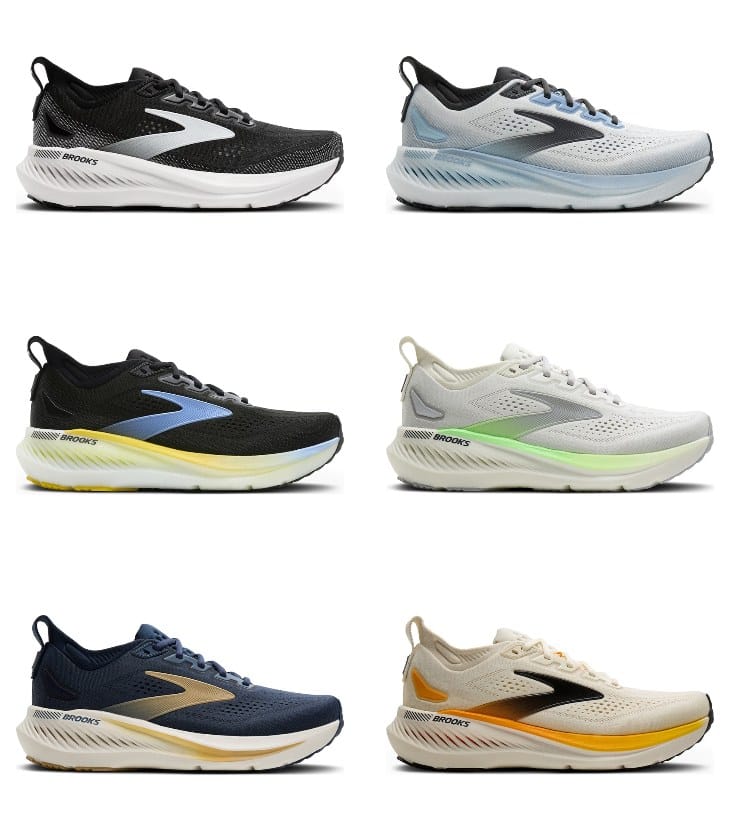
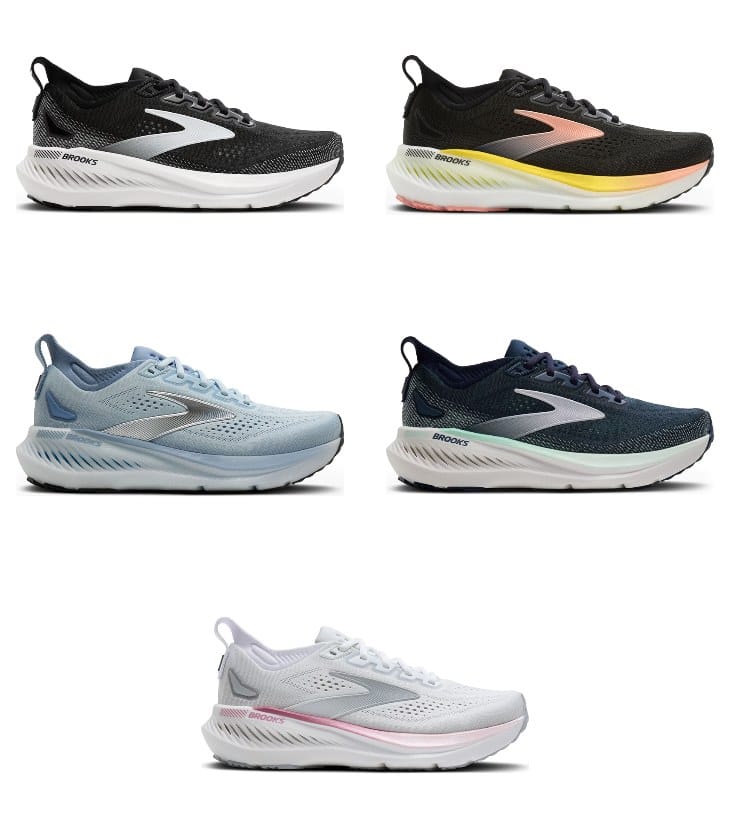
Which of the four suits you?
The four shoes differ mainly in how much support and cushioning they give. Use this as a guide:
- Mild to moderate overpronation, one shoe for everything: Brooks Adrenaline GTS 25. The safe all-rounder for daily training and long runs, also for beginners.
- You want support, but above all a light and quick feel: Hoka Arahi 9. The lightest of the four, also suitable for slightly faster sessions and as a second shoe next to a heavier model.
- Moderate to severe overpronation, heavier built or sensitive knees: Hoka Gaviota 5. The most support and cushioning of the four, also nice for walking.
- You mainly want softness and comfort for long runs on tarmac: Brooks Glycerin GTS 23. Plush cushioning with subtle guidance.
- Heel striker and used to a high drop: Adrenaline GTS 25 or Glycerin GTS 23 (10 mm). Midfoot striker or used to a low drop: Arahi 9 (8 mm) or Gaviota 5 (6 mm).
- Wide feet: all four have a roomy fit; the Adrenaline GTS 25 and Glycerin GTS 23 also come in an official wide version.
Still in doubt, or looking for a model that is not in this top 4? On our page with anti-pronation running shoes you will find the full range for men and women, and in our shop in Volkel we do a free gait analysis.
The differences between the four at a glance
All four are top-quality stability shoes; the difference is in the details. This is how you compare them:
Support: from subtle to firm
From light to heavy: Hoka Arahi 9 and Brooks Adrenaline GTS 25 guide subtly and are meant for mild to moderate overpronation. The Brooks Glycerin GTS 23 is at the same level of support, but with much more cushioning. The Hoka Gaviota 5 gives the most support and is the only one of the four we also recommend for severe overpronation.
Hoka or Brooks: H-Frame or GuideRails
Hoka (Arahi 9, Gaviota 5) uses the H-Frame: a structure of firmer foam that wraps your foot on both sides of the midsole and keeps it centred. It feels like a wide, stable base; in the Gaviota the frame is heavier than in the Arahi. Brooks (Adrenaline GTS 25, Glycerin GTS 23) uses GuideRails: two reinforced "guardrails" beside the heel that guide your whole movement chain from foot to knee and only step in when you roll too far inwards. Both systems do their job without the stiff feel of an old-fashioned corrective shoe; Hoka feels a bit more "wrapped", Brooks a bit more natural.
Cushioning and drop
If you want maximum softness, choose the Gaviota 5 or Glycerin GTS 23; the Adrenaline GTS 25 sits in between and the Arahi 9 is the most direct. The drop runs from 6 mm (Gaviota) via 8 mm (Arahi) to 10 mm (both Brooks models). If you land on your heel, like most beginners, 10 mm feels most comfortable; if you land on your midfoot or are used to a lower drop, the Hokas feel more natural.
Weight and pace
At 284 grams the Arahi 9 is the lightest and the only one of the four that also feels quick in tempo sessions. The Adrenaline GTS 25 (300 g) and Glycerin GTS 23 (306 g) are true daily trainers; the Gaviota 5 (310 g) is made for easy miles and long distances.
Fit, wide and price
All four are roomy in the forefoot. The Adrenaline GTS 25 and Glycerin GTS 23 also come in an official wide version; the Hoka models have a wide last by nature. The Adrenaline GTS 25 and Arahi 9 are the most affordable, the Glycerin GTS 23 the most expensive of the four. The product boxes above show the current prices and the wide variants are on the filter pages per model.
More general tips on size, fit and trying on can be found in 7 handy tips for choosing the right running shoes.
Conclusion: the best running shoes for overpronation
The Brooks Adrenaline GTS 25, Hoka Arahi 9, Hoka Gaviota 5 and Brooks Glycerin GTS 23 are the four best running shoes for overpronation you can buy right now. Choose the Adrenaline as the versatile all-rounder, the Arahi if you want it light and quick, the Gaviota for heavier overpronation or a heavier body weight and the Glycerin GTS for maximum comfort over long distances.
Whichever you choose: a shoe that matches your degree of overpronation and your running style keeps your feet and joints in balance, so you run more comfortably and with less risk of injury. All four are available for men and women.
Frequently asked questions about the best running shoes for overpronation
Which running shoes are good for overpronation?
Stability shoes with support on the inside of the foot. The four best in our shop and webshop are the Brooks Adrenaline GTS 25 (all-rounder), Hoka Arahi 9 (light), Hoka Gaviota 5 (maximum support and cushioning) and Brooks Glycerin GTS 23 (plush cushioning).
What is the single best running shoe for overpronation?
That depends on your degree of overpronation and your weight. For most runners with mild to moderate overpronation the Brooks Adrenaline GTS 25 is the best choice: stable, comfortable and suitable for every training session. For severe overpronation the Hoka Gaviota 5 is the best choice.
Which of the four is best for severe overpronation or a higher weight?
The Hoka Gaviota 5: the most support and cushioning of the four, with a wide, stable base. The Brooks Glycerin GTS 23 is also a good choice for heavier runners with mild to moderate overpronation thanks to its thick, soft midsole.
Hoka Arahi 9 or Hoka Gaviota 5: what is the difference?
Both use the H-Frame, but the Arahi 9 is lighter (284 grams) and more direct, with an 8 mm drop; the Gaviota 5 is heavier (310 grams), much softer cushioned and gives more support, with a 6 mm drop. Arahi for mild to moderate overpronation and quicker sessions, Gaviota for heavier overpronation and long, easy runs.
Brooks Adrenaline GTS 25 or Brooks Glycerin GTS 23?
Both have GuideRails and a 10 mm drop. The Adrenaline GTS 25 is the all-round trainer with balanced cushioning and a lower price; the Glycerin GTS 23 has a thicker, softer midsole (DNA Tuned) for maximum comfort over long distances. If you mainly want softness, choose the Glycerin GTS; if you want one shoe for everything, choose the Adrenaline.
Which of these shoes is best for beginners with overpronation?
The Brooks Adrenaline GTS 25: forgiving, stable and for years the most chosen first stability shoe. If you are a beginner with sensitive knees or a higher weight, choose the Hoka Gaviota 5. Also read our top 5 best running shoes for beginners.
Are these running shoes also available for women and in wide?
Yes, all four come in a men's and a women's version, in several colours. The Brooks Adrenaline GTS 25 and Glycerin GTS 23 also come in an official wide version; the Hoka Arahi 9 and Gaviota 5 are roomy by nature.
How do I know if I overpronate?
Look at the wear on your old shoes (inside of the heel and forefoot worn), at your footprint (flat foot, little arch) and at complaints on the inside of your knees or shins. The self-test and all causes and symptoms are in What is overpronation?; in our shop in Volkel we do a free gait analysis.
Is overpronation the same as anti-pronation?
No. Overpronation is the running pattern in which your foot rolls too far inwards; anti-pronation refers to the shoes that counteract it. If you overpronate, you therefore choose an anti-pronation (stability) shoe, such as the four models in this blog.
Need help choosing from this top 4?
Not sure yet which of these four models suits your feet and running style? Our running specialists are happy to help with all your questions, so you make a well-considered choice. You can reach us on +31 (0)85 773 00 58 or send an e-mail. You can also visit our shop in Volkel, the Netherlands, for a free gait analysis; then you can try the shoes right away.