


7 handy tips for choosing the right running shoes
Updated: 12 November 2026
Short answer: choose your running shoes based on three things: your pronation (neutral or supportive), the surface (road or trail) and the cushioning that suits your weight and your training. Try them on at the end of the day and leave a thumb's width of space in front of your toes. Not sure? A neutral shoe with balanced cushioning such as the Hoka Clifton 11 is a safe choice for most runners; if your feet roll inwards on landing, go for a stability shoe such as the Brooks Adrenaline GTS 25.
A large share of runners pick up an injury sooner or later. Maybe you have had sore knees, blisters or tired feet yourself. Often the wrong running shoes are (part of) the cause. It seems simple: put on a pair of trainers and start running. Unfortunately, the wrong shoes not only limit your performance, they can also lead to annoying injuries and a serious dent in your motivation.
The right running shoes make the difference between a frustrating outing and an effortless, enjoyable run. Shoes that match your running style, foot shape and the surface you run on reduce the risk of injury and let you run more comfortably and efficiently.
In this guide you learn step by step how to choose the right running shoes, whether you are just starting out or already have many kilometres in your legs. Looking for concrete models for your first pair right away? Then also check our top 5 best running shoes for beginners.
In this blog on choosing running shoes:
- Tip 1: Why the right running shoes matter so much
- Tip 2: Determine your running style: neutral, overpronation or supination?
- Tip 3: Choose the shoe for the surface you run on (road or trail)
- Tip 4: More cushioning or more responsive? Stack height, drop and foam
- Tip 5: The fit: how should running shoes fit?
- Tip 6: Avoid the common buying mistakes
- Tip 7: Set your budget: what do you get for more money?
- Frequently asked questions about choosing running shoes
- Conclusion
Tip 1) Why the right running shoes matter so much
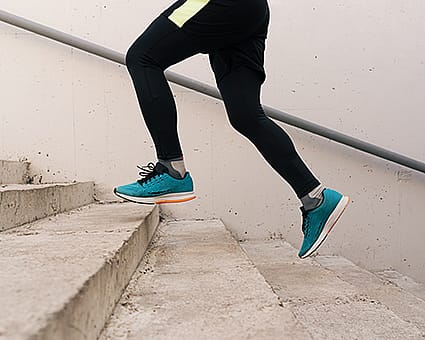
The right running shoes are an absolute must to prevent injuries and take your performance to the next level. Running looks easy, but it is an intensive sport: with every stride your body absorbs up to three times your body weight. Good shoes spread that impact safely and relieve your muscles, tendons and joints.
Run in the wrong or worn-out shoes and over time you will often develop complaints such as:
- Shin splints: pain along the shins, often caused by too little cushioning or stability.
- Knee pain (runner's knee): one of the most common running injuries, often due to too little support or a shoe that does not match your running style.
- Heel spur (plantar fasciitis): a sharp pain under the heel caused by poor shock absorption.
Besides injury prevention, the right running shoes bring more benefits: better running technique and efficiency, cushioning that suits your body and training, support for your foot shape and more comfort with less fatigue. Already have complaints? In the 10 most common running injuries you can read what to do about them.
Tip 2) Determine your running style: neutral, overpronation or supination?
Which running shoes you need depends largely on your running style. Pronation is the way your foot rolls inwards or outwards when landing and pushing off. It is a natural movement that absorbs shock, but too much or too little pronation strains your ankles, shins and knees. Match your shoe to it and you avoid a lot of complaints.
There are three types:
- Neutral pronation: your foot rolls slightly inwards, so your weight is spread evenly. The largest group of runners is neutral.
- Overpronation: your foot rolls too far inwards during the stride, putting extra pressure on the inside of your foot, ankle and knee.
- Supination (underpronation): your foot rolls inwards too little and lands on the outer edge, so the shock is absorbed less well.
How do you recognise your pronation? Look at the wear on your old shoes: if the inside of the heel and forefoot is most worn, you probably overpronate; if the outer edge is worn down, that points to supination. Flat feet and pain on the inside of the knee or shin are other signs of overpronation. Want to be sure? Visit our store in Volkel (the Netherlands) for a gait analysis.
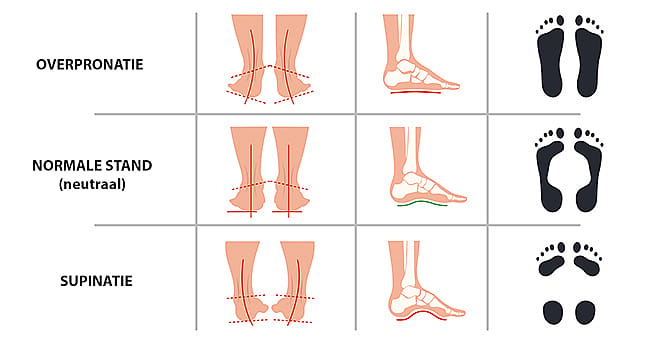
Which running shoe suits your pronation?
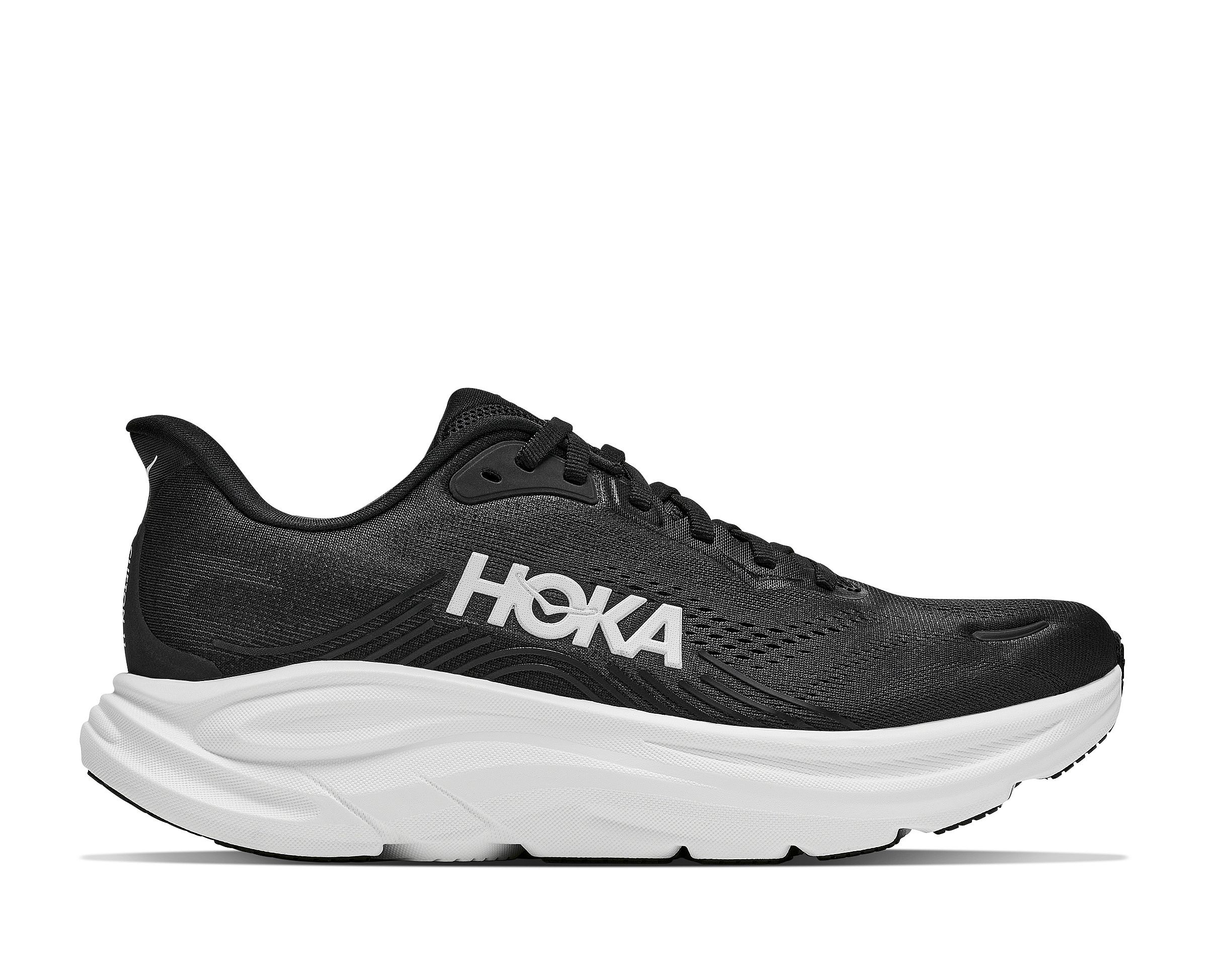
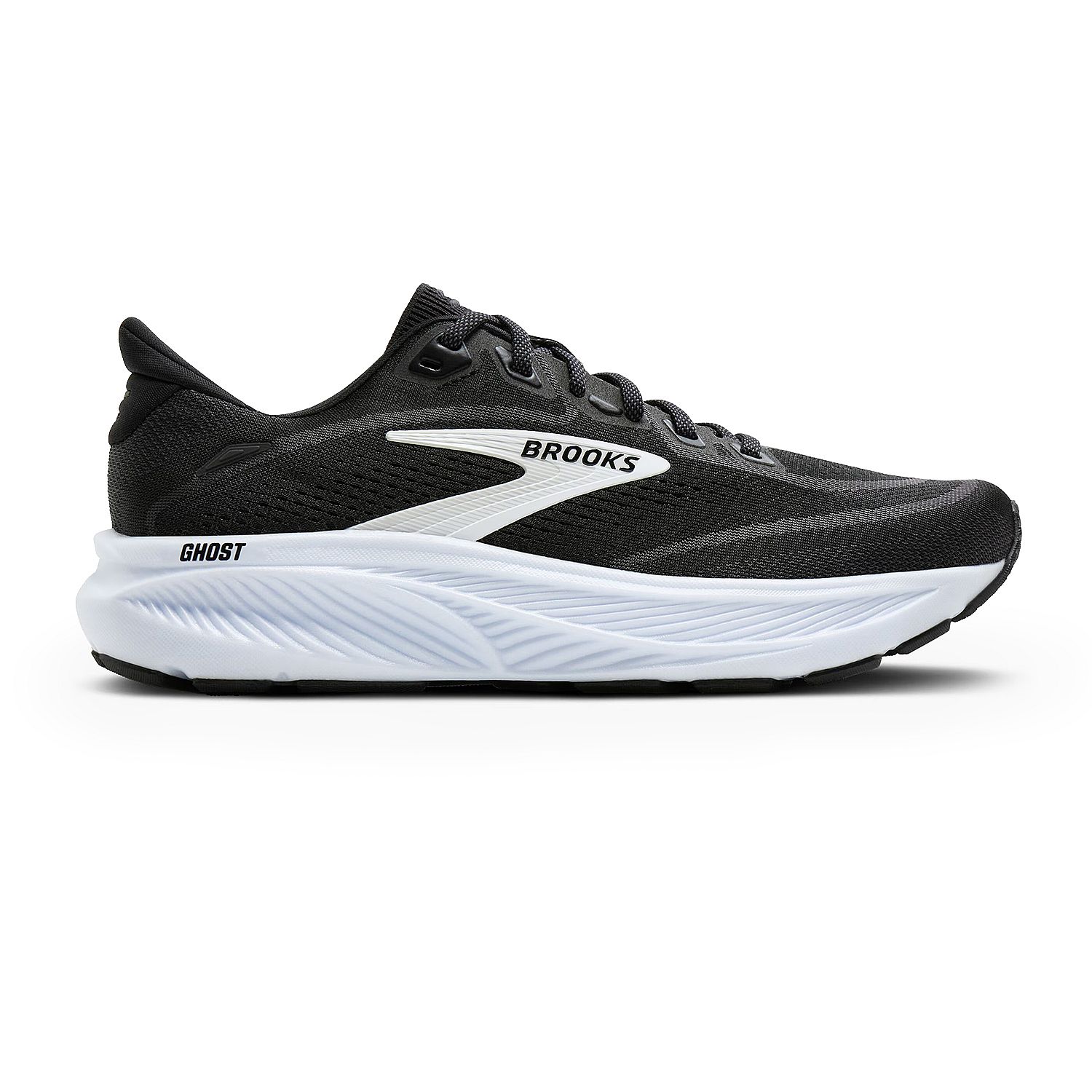
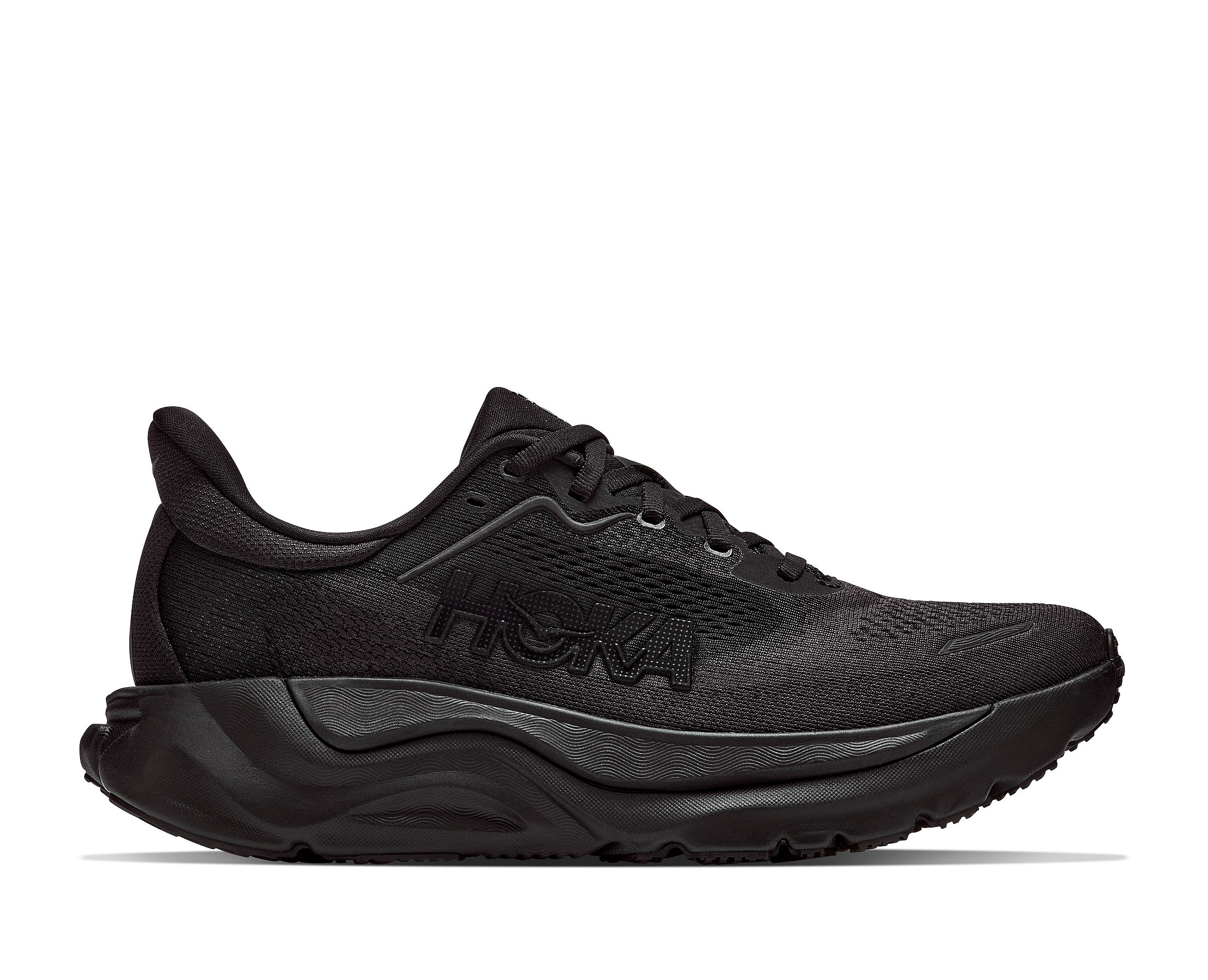
- Neutral runners: choose a neutral running shoe. It does not correct your foot and leaves the natural stride free. Examples are the Hoka Clifton 11 and the Brooks Ghost 18: the bestsellers in our store.
- Overpronation: choose an antipronation shoe (also called a stability shoe). A firmer inner side or guides such as the Brooks GuideRails keep your foot on track. The Brooks Adrenaline GTS 25 and the Hoka Arahi 9 are the most chosen models; you can find our comparison in the 4 best running shoes for overpronation.
- Supination: choose a neutral shoe with plenty of soft cushioning and a flexible sole, so the shoe absorbs the shock your foot does not absorb itself. Avoid stability shoes: they push your foot even further outwards.
Want to know more about the causes and consequences of overpronation? Read our blog what is overpronation?
Neutral running shoes: the most chosen models
These neutral shoes with balanced cushioning are the ones most often chosen in our store. All models are available for men and women.

Delivery within 2 – 4 business days
Delivery within 2 – 4 business days
Delivery within 2 – 5 business days
Antipronation shoes: the most chosen models
Do you overpronate? Then these are the stability shoes we recommend most, for men and women.

Delivery within 2 – 5 business days

Delivery within 2 – 5 business days
Tip 3) Choose the right running shoe for the surface you run on
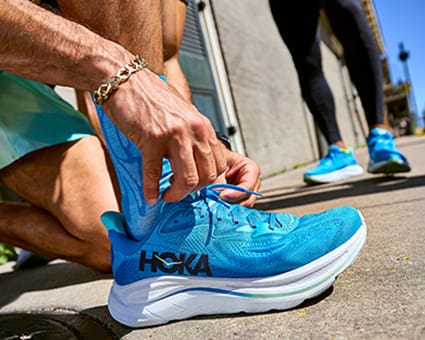
The surface you run on has a big influence on your choice of running shoes. Different terrains make different demands on cushioning, grip and stability. A shoe that matches your favourite surface not only runs more comfortably, it also helps to prevent injuries.
Broadly there are two types of running shoes: road shoes and trail shoes. Within road shoes you again have daily trainers (all-rounders), maximally cushioned shoes and light tempo or racing shoes; you can read more about those in tip 4.
Road shoes – ideal for asphalt and paved roads
Most runners choose road shoes, because asphalt, concrete and paved cycle paths are the most-run surfaces. Road shoes are designed for flat, hard surfaces and offer a balance between cushioning, low weight and flexibility.
Typical features of road shoes:
- Cushioning: extra shock absorption to reduce the impact of hard surfaces on your joints.
- Low weight: less fatigue and easier to run faster paces.
- Flexibility: promotes a natural roll-through of the foot.
- Smoother sole with light tread: enough grip on dry and wet asphalt, without deep lugs that slow you down.
Road shoes are ideal for asphalt roads, pavements and paved cycle paths, and for runners who focus on pace and distance: from short loops to the marathon. Almost all shoes in this blog are road shoes.
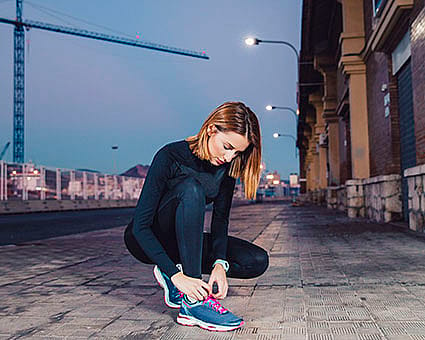
Trail shoes – for rougher terrain and unpaved paths
Do you like exploring unpaved paths, forests, mountains or sandy tracks? Then trail shoes are the right choice. These running shoes are built to give you maximum grip and stability on uneven terrain.
Typical features of trail shoes:
- Deeper tread: optimal grip on mud, sand, rocks and loose leaves.
- Reinforced construction: protects your feet against sharp rocks and branches.
- Stability: more lateral support to prevent twisted ankles.
- Water resistance: many trail shoes are also available with a waterproof membrane (such as Gore-Tex) for wet conditions.
Trail shoes are ideal for forest paths, mountain trails, gravel paths and other unpaved routes. The most chosen trail shoes in our store are the Hoka Challenger 8 (a cushioned all-rounder that also feels fine on a stretch of asphalt) and the Hoka Speedgoat 7 (more grip and protection for really rough terrain). Do you alternate road and trail? Then a separate pair for each surface is the best choice (see also tip 6). A trail shoe on asphalt wears quickly and runs less smoothly; a road shoe on a muddy path gives too little grip.
Trail shoes: the most chosen models
The Hoka Challenger 8 (men and women) is the cushioned all-rounder for forest and path; the Speedgoat 7 gives more grip and protection on rough terrain.
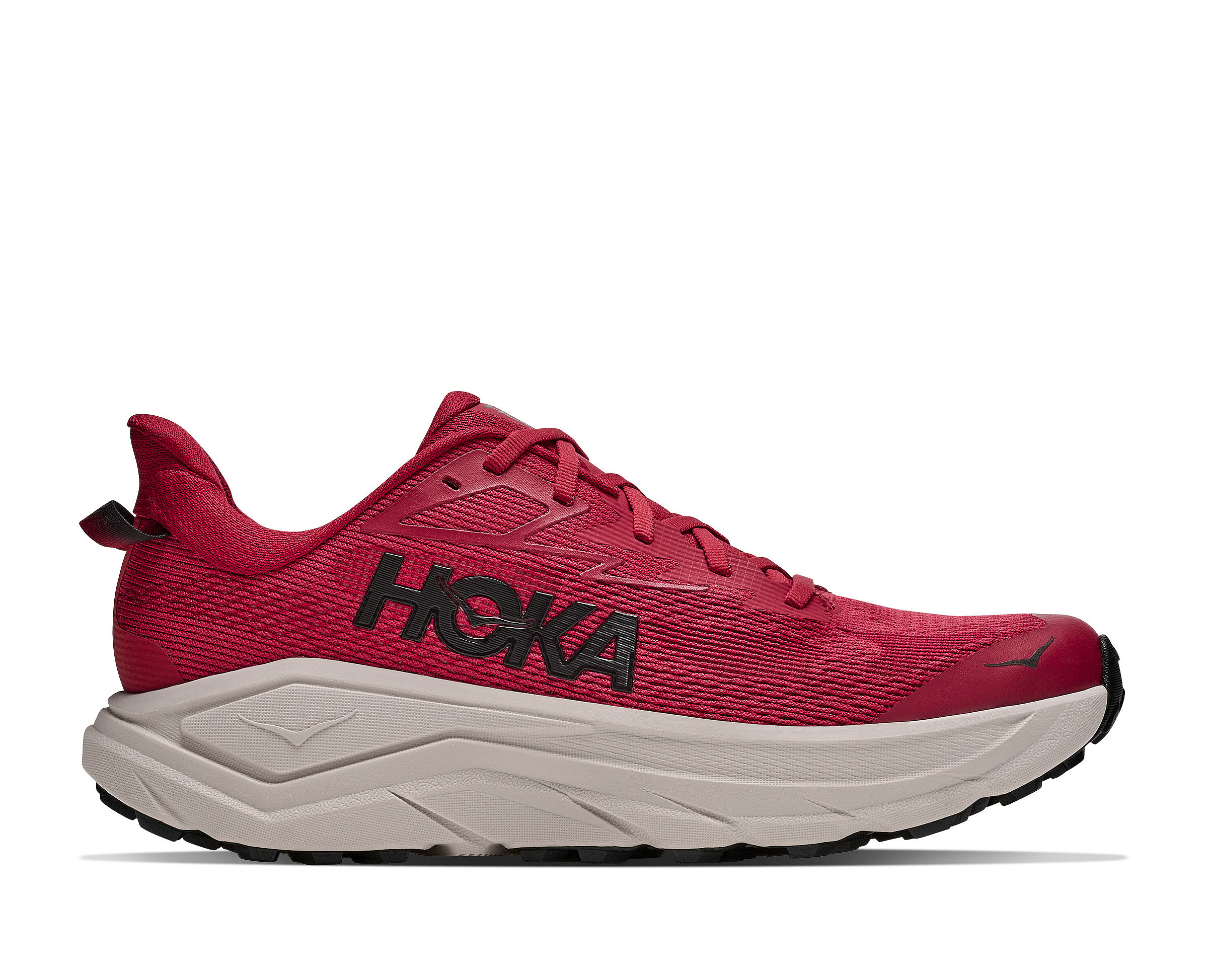
Delivery within 2 – 4 business days
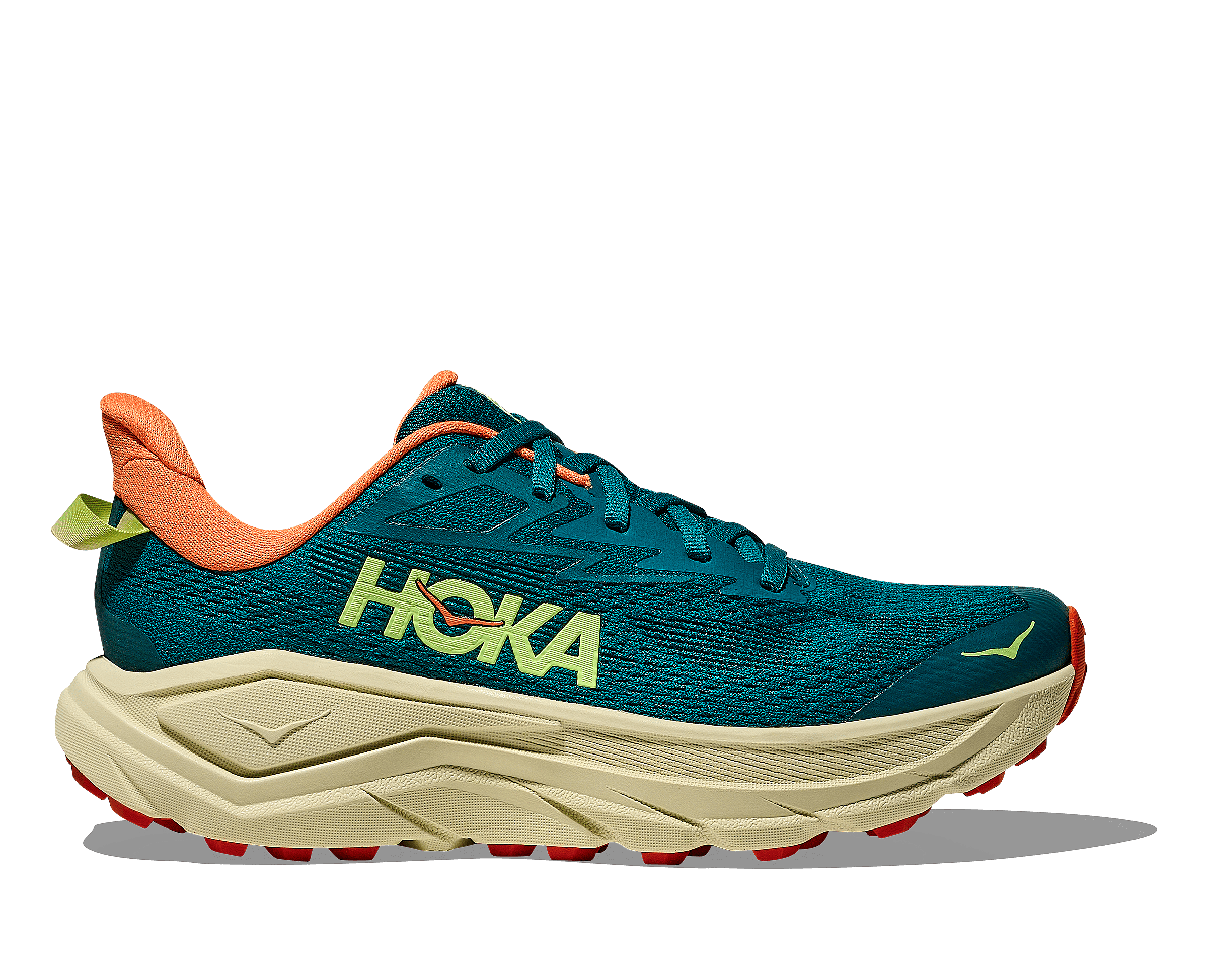
Delivery within 2 – 4 business days
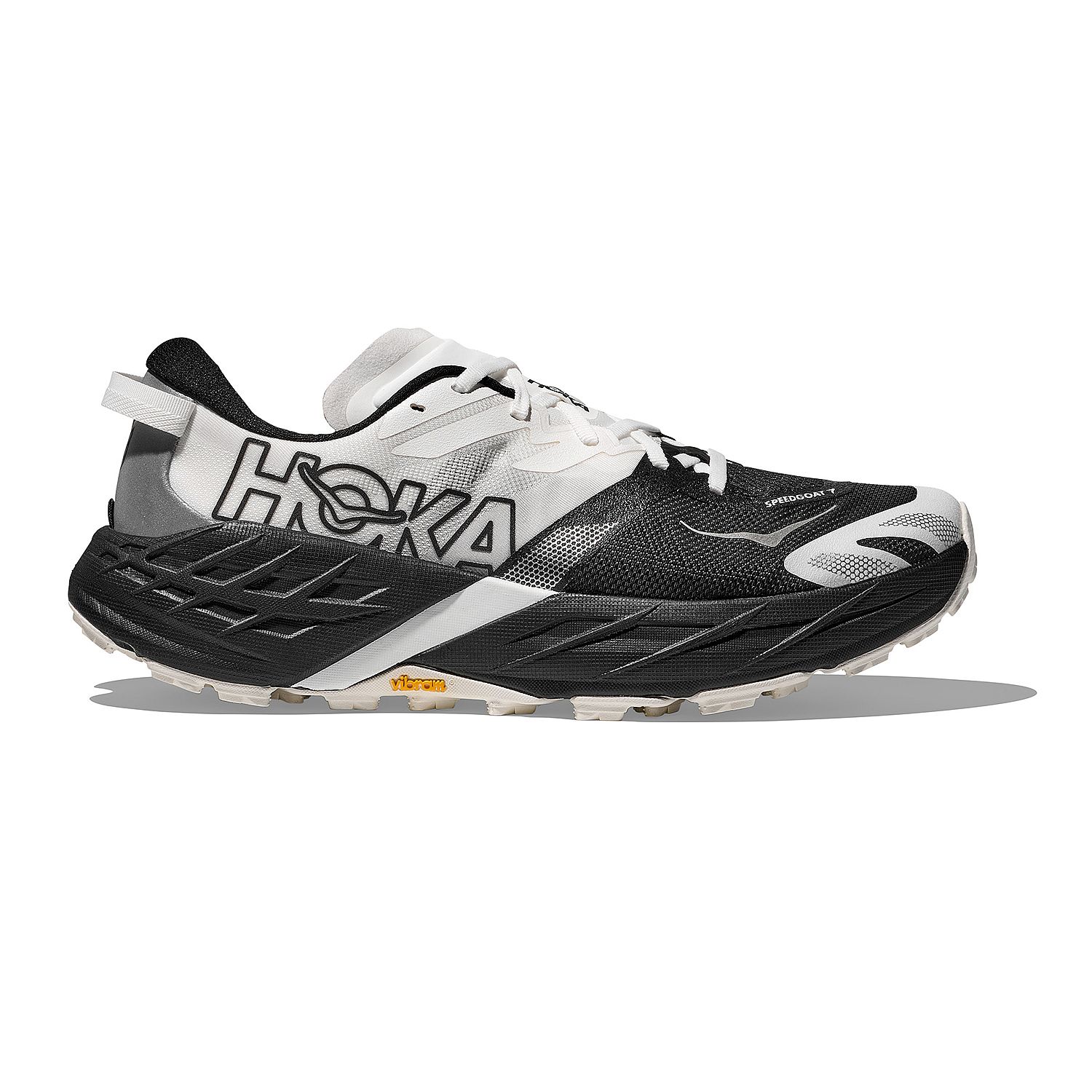
Tip 4) More cushioning or more responsive?
Choosing running shoes is not only about your running style and the surface, but also about the sole. Terms you will come across are stack height, drop, cushioning and responsiveness. Together they determine how a shoe feels while running. What exactly do they mean?
The stack height: how much cushioning is under your foot?
The stack height is the thickness of the sole under your foot, from heel to forefoot. The higher the stack height, the more foam and therefore cushioning there is under your feet.
- High stack height (lots of cushioning): soft landing and plenty of comfort, especially on long distances and recovery sessions; less impact on your joints. Downside: less contact with the ground, feels less direct. Running shoes with lots of cushioning, such as the Hoka Bondi 9, are popular with beginners, heavier runners and runners with sensitive knees.
- Low stack height (little cushioning): thinner sole, closer to the ground, a more natural running feel and more control. Downside: less shock absorption, which increases the risk of overuse injuries.
Tip: are you a beginner, somewhat heavier built or prone to injury? Then a higher stack height is usually more comfortable. Do you run a lot of tempo sessions or want more feel for the ground? Then a lower stack height is worth considering.
The drop: the height difference between heel and forefoot
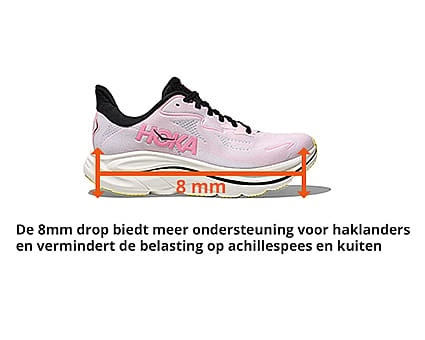
The drop (heel-to-toe drop) is the difference in sole height between the heel and the forefoot, in millimetres. The drop affects how you land and roll through your stride.
- High drop (8 to 12 mm): you automatically land more on your heel. Extra cushioning at the heel and less strain on the Achilles tendon and calves: ideal for heel strikers and beginners. Less suitable if you land on your forefoot or midfoot.
- Low drop (0 to 6 mm): encourages a midfoot or forefoot landing, a more natural running style and more activation of the calf muscles. Downside: more strain on the Achilles tendon and calves, especially when switching from a high drop.
Which drop should you have?
Are you a beginner or a heel striker? Then choose a shoe with a higher drop to spare your calves and Achilles tendon. If you land on your forefoot, a lower drop works well. Switching to a lower drop? Build it up gradually and alternate with your old shoes during the first weeks.
Cushioning versus responsiveness: what is the difference?
(Maximum) cushioning comes from running shoes with lots of foam in the sole. You land more softly, which greatly reduces the impact on your joints. That gives more comfort on longer distances and recovery runs and less pressure on your muscles. Because there is more foam under your foot, you do have less feel for the ground and these shoes return less energy, so they can feel slower.
Responsive shoes have a springy foam that returns energy with every stride. They often feel firmer, but run faster and more direct; that is why they are widely used for tempo runs and races. On long distances a shoe with less cushioning can be more tiring and your muscles and tendons take more strain, especially for heel strikers.
So which one do you choose?
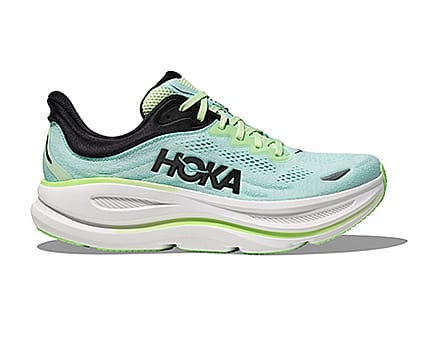
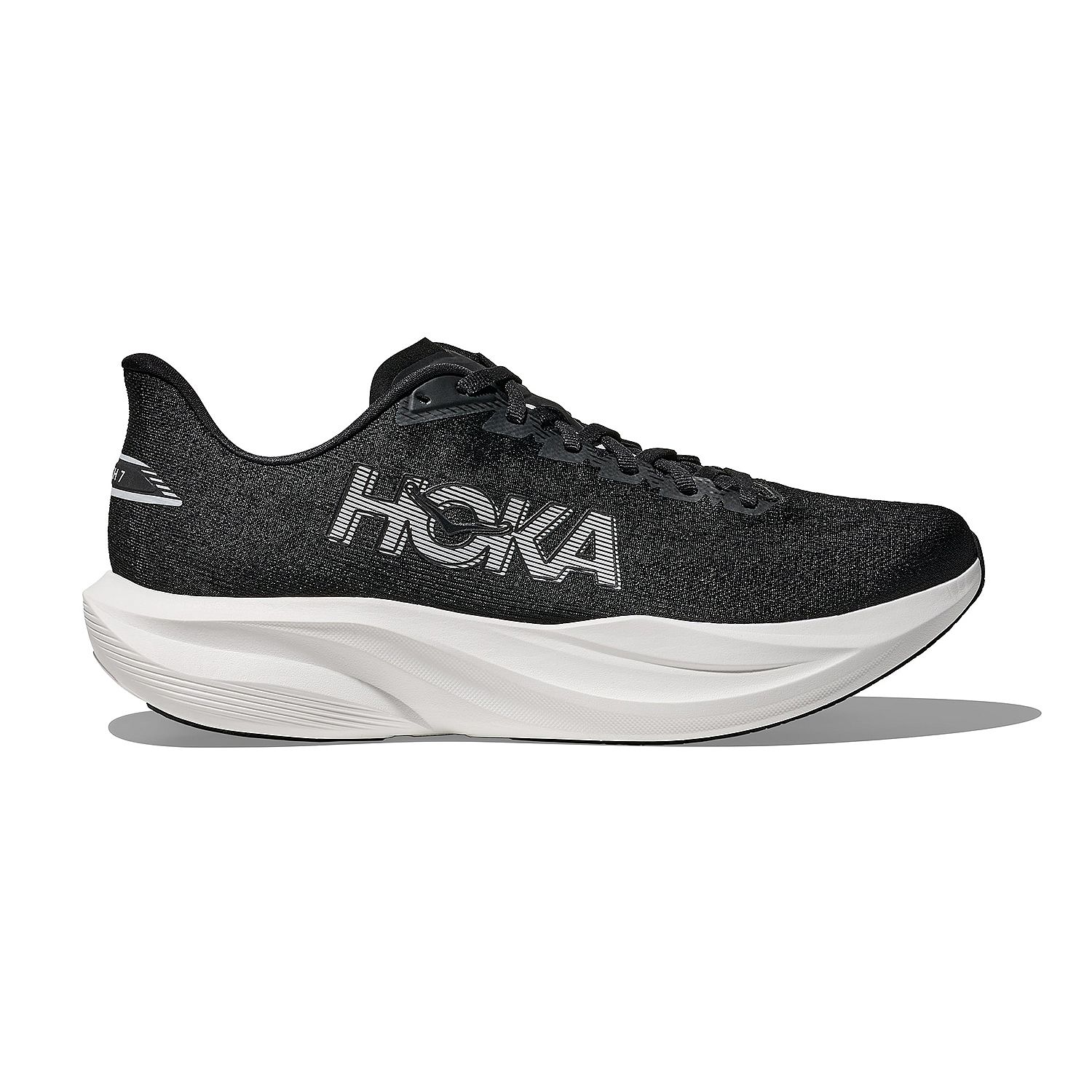
For distance runners, recreational runners and runners prone to injury, a well-cushioned shoe is usually the most comfortable. Going for races or tempo training? Then a responsive shoe such as the Hoka Mach 7 is ideal thanks to its bounce and speed. Many runners combine: a cushioned shoe for the easy kilometres and a lighter, responsive shoe for the fast sessions. Torn between the Hoka models? Then read which Hoka running shoes do I need?
Cushioned and responsive running shoes: the most chosen models
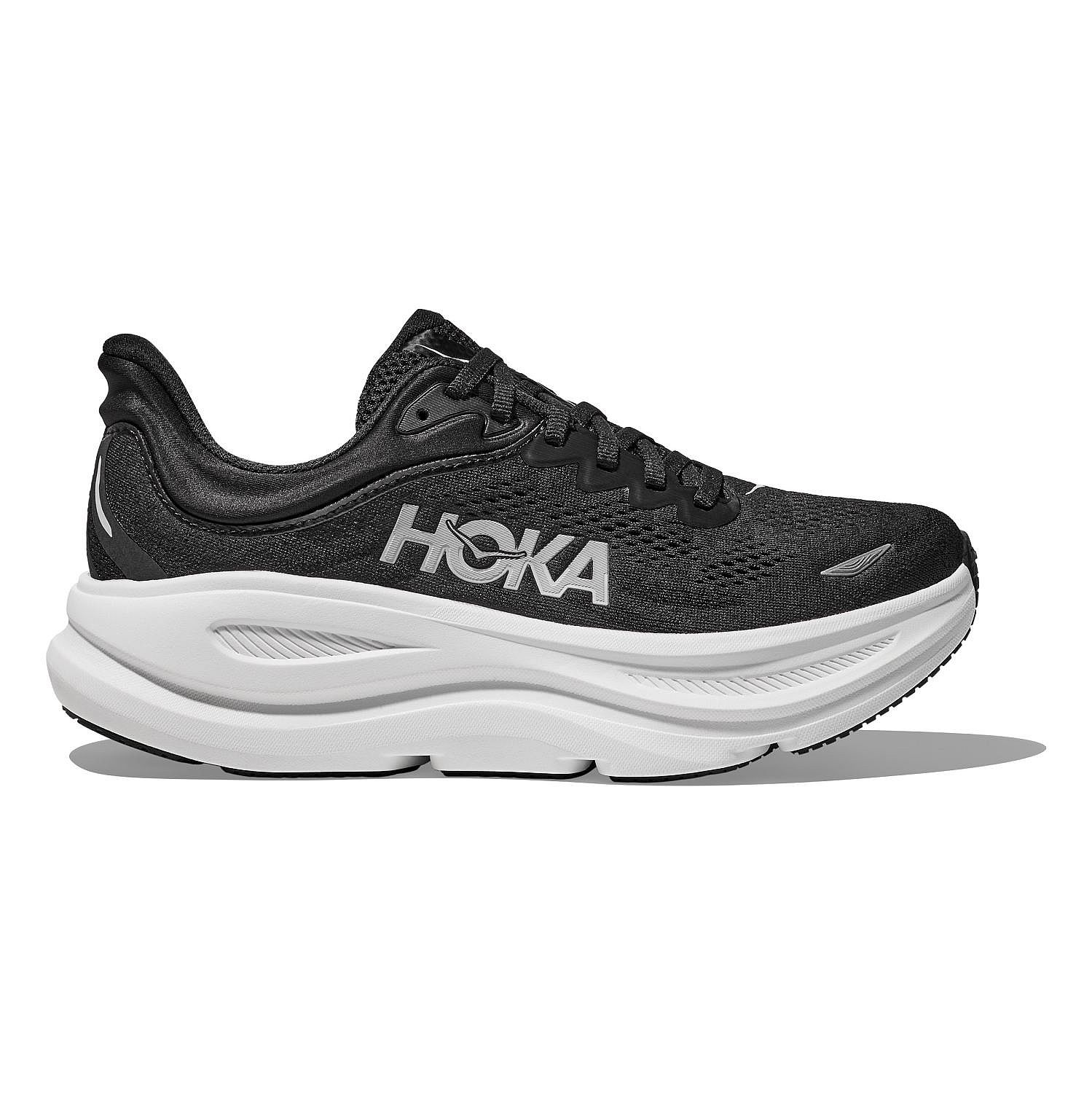
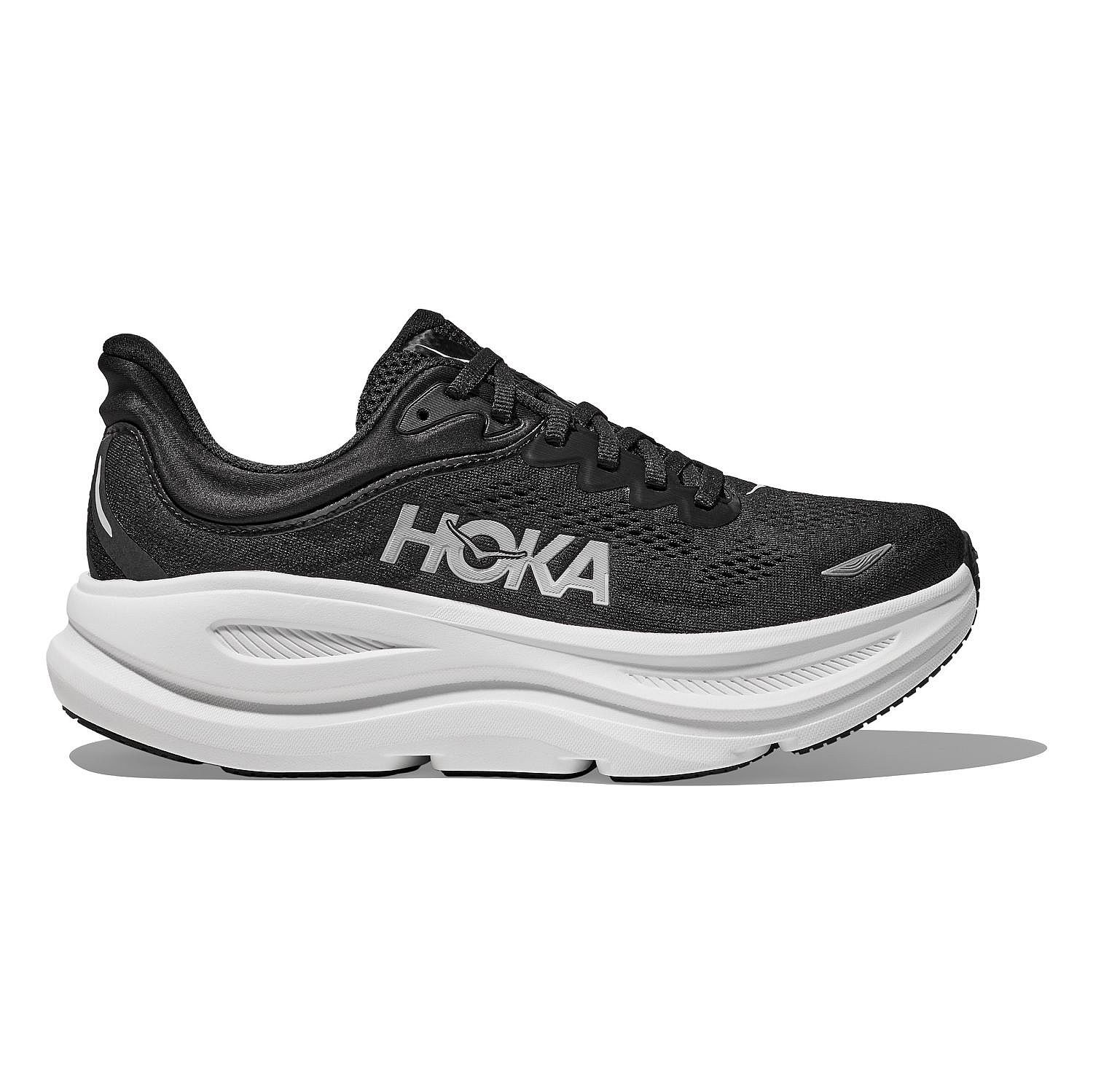
The Hoka Bondi 9 (men and women) is our most chosen shoe with maximum cushioning; the Hoka Mach 7 is the light, responsive counterpart for fast sessions.
Tip 5) The fit: how should running shoes fit?
Choosing the right running shoes is not only about cushioning and stability, but above all about the fit. A poorly fitting shoe leads to blisters, black toenails and injuries. So how should a running shoe fit? In short: snug around the heel and midfoot, without pinching, and with room for your toes. Running shoes do not need to be tight; they just must not slip or press anywhere.
Enough room at the toes: the thumb's width rule
One of the most common mistakes when buying running shoes is choosing a size too small. While running, your feet expand and slide slightly forward in the shoe. Too little room causes friction, blisters and even numb toes. A simple test is the thumb's width rule:
- Stand upright in your shoes and slide your foot back until your heel touches the back of the shoe. There should be about a thumb's width (around 1 cm) of space between your longest toe and the front of the shoe.
- You should be able to wiggle your toes slightly without them pressing against the front.
Make sure your longest toe has enough room: for some people that is the second toe. In practice this means you often take running shoes half a size to a full size bigger than your everyday shoes.
Width: narrow or wide feet?
Everyone has unique feet: some people have wide feet, others narrow. Shoes that are too narrow pinch and cause blisters and trapped nerves; shoes that are too wide let your foot slide, which feels unstable. You have the right width when the shoe wraps your foot comfortably without pressure on the sides of your forefoot, and your toes have enough room.
Brands such as Hoka and Brooks offer many models in a wide version too, ideal if a standard size pinches at the sides.
Try on new shoes at the end of the day
Your feet change during the day: due to load and increased blood flow they swell slightly. So try on new running shoes towards the end of the day, usually between 4 pm and 8 pm, when your feet are at their largest. Wear your running socks and run a few laps down the hallway, or on the treadmill in our store, to feel how the shoes fit while moving.
Tip 6) Avoid the common mistakes when buying running shoes
Buying running shoes seems simple, but we see many runners make mistakes that lead to discomfort, injuries and disappointing performance. These are the four biggest:
1) Ignoring your running style and the surface
A shoe is often chosen that does not match the running style: too little support for someone who overpronates, or a stability shoe for a neutral runner. Every runner strides differently. Not sure? Read what is overpronation? or have a gait analysis done.
Also choose the shoe for the right surface. Not every running shoe suits every terrain: road shoes on the trail give too little grip, trail shoes on asphalt wear out quickly.
2) Buying shoes on looks instead of function
Let's be honest: we all want to look good. But if you have goals, it is not wise to choose your running shoes purely on colour or model. Fit, cushioning and support come first; you pick the colour afterwards. Not sure which shoe suits your goals? Contact our running advisers or drop by the store for tailored advice.
3) Buying shoes that are too small (or too big)
Many runners pick the size of their everyday shoes, without allowing for their feet swelling while running. Use the thumb's width rule from tip 5 and try on at the end of the day.
4) Not having a second pair of running shoes
Many runners run in the same pair almost daily. Your shoes also need rest after a session to bounce back to their original shape (about 24 to 48 hours). Always run in the same pair and they wear out faster, so you need to replace them sooner. So alternate: for example one pair for the road and one for the trail, or a cushioned shoe for easy long runs and a more direct shoe for short, fast sessions.
More pitfalls? Read the 10 biggest beginner mistakes in running.
Tip 7) Set your budget: what do you get for more money?
Good running shoes are the most important part of your kit. It is tempting to save and choose a cheaper model, but investing that bit more in quality can make the difference between pain-free enjoyment of your runs and struggling with injuries.
Broadly you see three levels. Basic models have simpler foam and a less refined fit; fine to start with, but they wear out faster and cushion less. All-rounders (the daily trainers from Hoka and Brooks, such as the Clifton and the Ghost) offer the best balance of comfort, durability and cushioning and are the most sensible choice for most runners. Premium models have the latest foams, sometimes a carbon plate and a lower weight; interesting if you run a lot of kilometres or want to run fast.
So keep an eye on the price, but above all choose the shoe that suits your running style and needs. The runners who come to us for advice most often choose an all-rounder or a premium model. Some of the top brands we carry:


Frequently asked questions about choosing running shoes
Which running shoes do I need?
That depends on your pronation, the surface and the cushioning you find comfortable. If you are neutral and mostly run on the road, a cushioned all-rounder such as the Hoka Clifton 11 or the Brooks Ghost 18 is a safe choice. If you overpronate, choose an antipronation shoe such as the Brooks Adrenaline GTS 25. If you run on unpaved paths, choose a trail shoe.
How should running shoes fit?
Snug around the heel and midfoot, without pinching, with about a thumb's width of space in front of your longest toe. Your heel must not slip up and your toes must be able to move freely. Running shoes do not need to be tight; they just must not press or rub anywhere.
Should I buy running shoes a size bigger?
Usually yes: most runners take half a size to a full size bigger than their everyday shoes, because the feet expand and slide forward while running. Always try on at the end of the day with your running socks on.
How much cushioning do I need?
Beginners, heavier runners and runners with sensitive knees or hips usually benefit from lots of cushioning (a high stack height). Light and experienced runners who do fast sessions more often choose a responsive shoe with less cushioning. If in doubt, a balanced all-rounder is the best middle ground.
What is a good drop for beginners?
A drop of 8 to 12 mm is the most comfortable for beginners and heel strikers, because the heel gets extra cushioning and the calves and Achilles tendon are strained less. A lower drop suits runners who land on the midfoot or forefoot better.
Which running shoes for knee problems?
Choose a shoe with enough cushioning and, if you overpronate, with support (antipronation). Knee problems are often the result of too little cushioning, worn-out shoes or a shoe that does not match your stride. If the complaints persist, have yourself examined by a (sports) physiotherapist.
How do I know whether I overpronate or supinate?
Look at the wear on your old shoes: wear on the inside of the heel and forefoot points to overpronation, wear on the outer edge to supination. A gait analysis in the store gives certainty. More explanation in what is overpronation?
When should I replace my running shoes?
On average after 600 to 1,000 kilometres, depending on your weight, running style and the surface. Do you feel less cushioning, see the sole worn down or suddenly get complaints? Then it is time for a new pair.
Can I also use my running shoes for walking or other sports?
Walking is fine, especially in a well-cushioned shoe such as the Hoka Bondi. For fitness or indoor sports with a lot of sideways movement, running shoes are less suitable: they are built for forward motion and give little lateral support.
Conclusion
Choosing the right running shoes is not a side issue, but the basis of every good running experience. Whether you are just starting out or have been running for years: the right shoes let you run more comfortably, more efficiently and above all injury-free.
Pay attention to your running style (neutral or supportive), the surface you run on, the cushioning and drop that suit you and above all the fit. That way you avoid the most common mistakes and choose a shoe that suits you. Invest in quality rather than purely in the lowest price: a good pair of running shoes supports better, lasts longer and reduces the risk of injury. That way you get more enjoyment out of every kilometre.
Looking for new running shoes and personal advice?
Our running specialists are happy to help with all your questions about choosing your new running shoes, so you make a well-considered choice and enjoy running even more. You can reach them on +31 (0)85 773 00 58, by e-mail or by visiting our triathlon store in Volkel (the Netherlands) for a gait analysis and tailored advice.
Also worth reading


